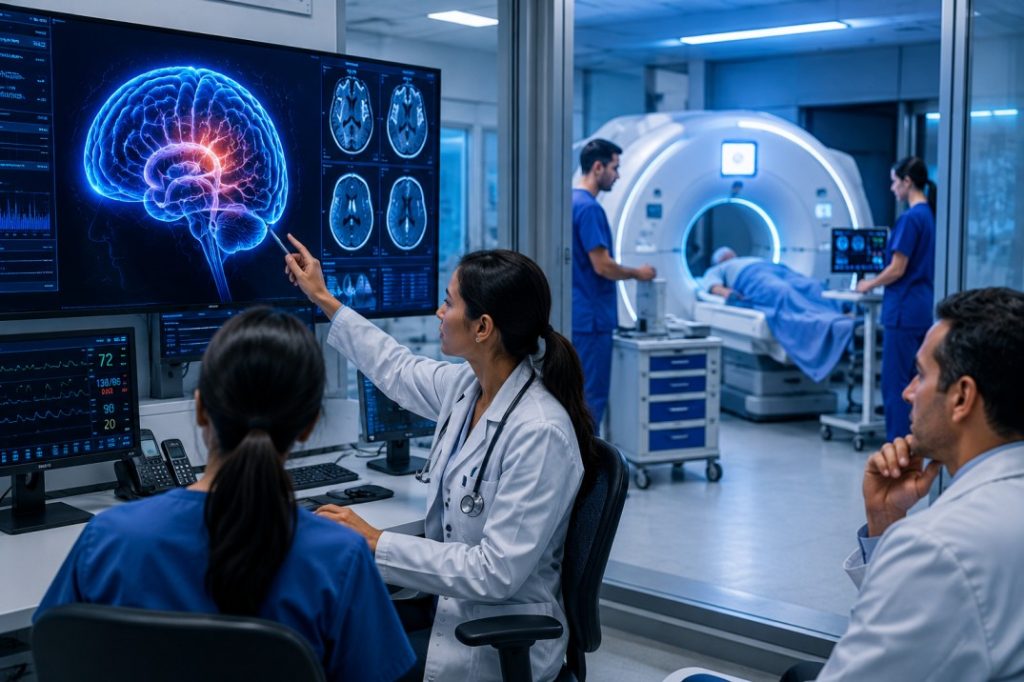
Dental surgery is a field where precision and skill are paramount. Every procedure requires a steady hand, a deep understanding of oral anatomy, and the confidence to make critical decisions under pressure. As the demand for highly skilled dental professionals grows, the importance of comprehensive dental surgical training cannot be overstated. Modern training programs combine theoretical knowledge, hands-on practice, and cutting-edge technology to prepare dentists for the challenges of contemporary dental surgery.
The Importance of Dental Surgical Training
Dental surgical training gives dentists the information and skills they need to safely and effectively do a wide range of procedures. When dentists get the right training, they can do everything from simple procedures like pulling teeth and putting in implants to more complicated mouth surgeries with few risks and problems.
Components of Modern Dental Surgical Training
- Theoretical Knowledge: Understanding dental anatomy, pathology, and surgical protocols is the foundation of any successful training program. Courses cover topics such as tissue management, infection control, and surgical techniques, ensuring participants are well-prepared before entering the clinical setting.
- Hands-On Practice: Practical experience is essential. Dental surgical training programs provide opportunities to practice procedures on models, simulators, and supervised patients. This approach allows learners to refine their skills in a controlled environment before performing surgeries independently.
- Advanced Technology: Modern dental training incorporates digital imaging, computer-guided surgery, and simulation tools. These innovations enable trainees to plan surgeries precisely, anticipate challenges, and improve outcomes for patients.
Benefits of Comprehensive Dental Surgical Training
- Precision: Training enhances manual dexterity, ensuring accurate incisions, implant placements, and restorations.
- Confidence: Exposure to multiple surgical scenarios and guided practice builds the self-assurance necessary for complex procedures.
- Patient Safety: Well-trained surgeons reduce the risk of complications and ensure predictable, successful outcomes.
Shaping the Future of Dentistry
As dentistry evolves, so do the expectations for surgical competence. Dental care will need professionals who are not only informed but also flexible, accurate, and sure of themselves in the future. Dental surgical training programs are at the forefront of this change. They combine traditional learning with current technology and hands-on practice to make surgeons who are highly skilled and care about their patients.
Conclusion
Precision, confidence, and success are the pillars of modern dental surgical training. By investing in comprehensive education and practical experience, dental professionals can elevate their skills, improve patient care, and secure a rewarding future in dentistry. The future of dentistry belongs to those who are trained, prepared, and committed to excellence.