A stroke is a life-threatening medical emergency that requires immediate diagnosis and treatment. Every minute after a stroke begins, millions of brain cells can be damaged, making rapid medical intervention essential for improving recovery and reducing long-term disability. A specialized Stroke Center provides comprehensive emergency care, advanced diagnostic imaging, minimally invasive treatments, and rehabilitation services to help patients achieve the best possible outcomes.
Healthcare institutions like Liv Hospital offer multidisciplinary stroke care supported by experienced neurologists, neurosurgeons, neuroradiologists, rehabilitation specialists, and advanced medical technologies to deliver timely, patient-centered treatment.
What Is a Stroke Center?
A Stroke Center is a specialized medical facility dedicated to the rapid diagnosis, treatment, and rehabilitation of patients experiencing a stroke or other cerebrovascular conditions. These centers are equipped with advanced imaging systems, emergency response protocols, intensive care units, and highly trained medical teams that work together to minimize brain damage and improve recovery.
The goal of a stroke center is to provide immediate, coordinated care from the moment symptoms appear through rehabilitation and long-term recovery.
Understanding Stroke
A stroke occurs when blood flow to part of the brain is interrupted or when a blood vessel in the brain ruptures. Without oxygen and nutrients, brain cells begin to die within minutes.
There are two primary types of stroke:
Ischemic Stroke
An ischemic stroke is caused by a blockage in an artery supplying blood to the brain. This is the most common type of stroke and often results from a blood clot.
Hemorrhagic Stroke
A hemorrhagic stroke occurs when a blood vessel bursts, causing bleeding in or around the brain. This type often requires urgent neurosurgical evaluation and intensive medical care.
A transient ischemic attack (TIA), sometimes called a “mini-stroke,” causes temporary symptoms but should never be ignored because it significantly increases the risk of a future stroke.
Common Stroke Symptoms
Recognizing stroke symptoms quickly can save lives. Seek emergency medical attention immediately if you notice:
- Sudden weakness or numbness on one side of the body
- Difficulty speaking or understanding speech
- Facial drooping
- Sudden vision problems
- Loss of balance or coordination
- Severe headache with no known cause
- Sudden confusion
Remember the FAST warning signs:
- F – Face drooping
- A – Arm weakness
- S – Speech difficulty
- T – Time to call emergency medical services
Early treatment greatly improves the chances of recovery.
Services Offered at a Stroke Center
Modern stroke centers provide comprehensive care throughout every stage of treatment.
Rapid Emergency Evaluation
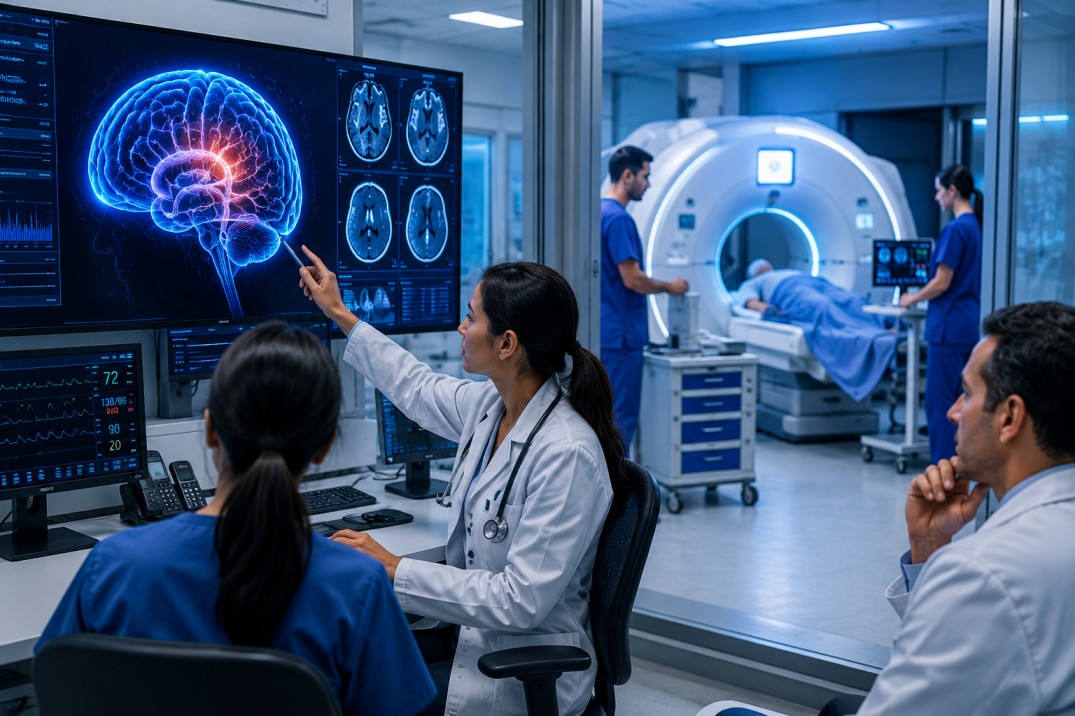
Patients receive immediate neurological assessment along with advanced brain imaging such as CT scans, MRI, and vascular imaging to identify the type and severity of the stroke.
Advanced Imaging
Specialized imaging allows physicians to locate blocked or bleeding blood vessels and determine the most appropriate treatment strategy.
Clot-Busting Medication
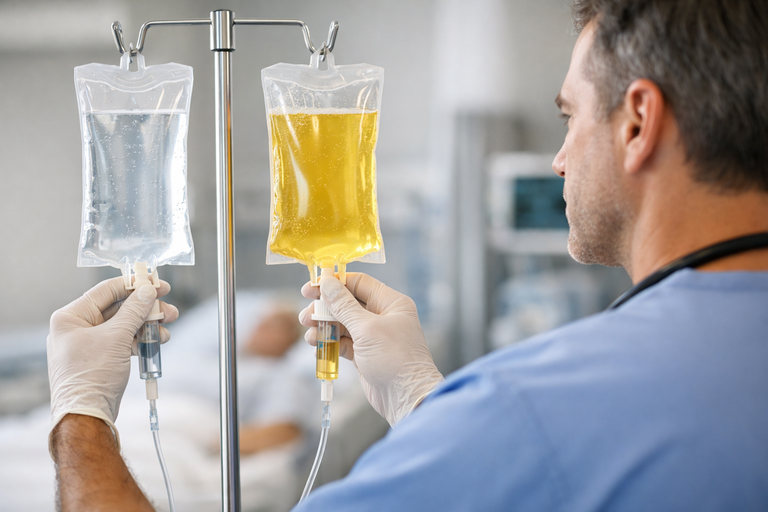
Eligible patients with ischemic stroke may receive intravenous thrombolytic therapy to dissolve blood clots when administered within the appropriate treatment window.
Mechanical Thrombectomy
For certain patients with large artery blockages, specialists may perform a minimally invasive mechanical thrombectomy to remove the clot and restore blood flow to the brain.
Intensive Stroke Monitoring
After emergency treatment, patients are closely monitored in specialized stroke units or neurological intensive care units to reduce complications and support recovery.
Multidisciplinary Stroke Care
Effective stroke treatment involves collaboration among multiple healthcare professionals, including:
- Neurologists
- Neurosurgeons
- Emergency physicians
- Neuroradiologists
- Intensive care specialists
- Physical therapists
- Occupational therapists
- Speech therapists
- Rehabilitation physicians
- Specialized nursing staff
This coordinated approach ensures every aspect of the patient’s care is carefully managed from diagnosis through rehabilitation.
Stroke Rehabilitation
Recovery does not end after emergency treatment. Rehabilitation is an essential part of restoring function and independence.
Depending on individual needs, rehabilitation may include:
- Physical therapy
- Occupational therapy
- Speech and language therapy
- Swallowing therapy
- Cognitive rehabilitation
- Psychological support
Recovery varies depending on the type of stroke, how quickly treatment was received, and the extent of brain injury.
Who Is at Risk for Stroke?
Several factors increase the likelihood of having a stroke, including:
- High blood pressure
- Diabetes
- High cholesterol
- Heart disease
- Smoking
- Obesity
- Physical inactivity
- Excessive alcohol consumption
- Family history of stroke
- Increasing age
Managing these risk factors can significantly reduce the risk of stroke.
Stroke Prevention Tips
Although not every stroke can be prevented, healthy lifestyle choices can lower your risk.
- Control blood pressure
- Manage diabetes
- Maintain healthy cholesterol levels
- Eat a balanced diet
- Exercise regularly
- Avoid smoking
- Limit alcohol intake
- Maintain a healthy body weight
- Attend regular health check-ups
- Take prescribed medications as directed
Why Choose a Specialized Stroke Center?
A dedicated stroke center offers several important advantages:
- Faster diagnosis
- Immediate access to advanced imaging
- Specialized stroke physicians available around the clock
- Minimally invasive treatment options
- Coordinated multidisciplinary care
- Comprehensive rehabilitation services
- Improved recovery outcomes
Hospitals such as Liv Hospital integrate advanced diagnostic technologies, experienced stroke specialists, emergency intervention, and personalized rehabilitation programs to provide comprehensive care for patients with acute stroke and other neurovascular disorders.
Frequently Asked Questions
What should I do if someone has stroke symptoms?
Call emergency medical services immediately. Do not wait for symptoms to improve, as rapid treatment can significantly reduce permanent brain damage.
Can all strokes be treated?
Treatment depends on the type of stroke, how quickly the patient reaches the hospital, and their overall medical condition. Early diagnosis greatly increases available treatment options.
How long does stroke recovery take?
Recovery differs for every patient. Some recover within weeks, while others may require months of rehabilitation and ongoing therapy.
Can stroke be prevented?
Many strokes can be prevented by controlling blood pressure, managing chronic health conditions, maintaining a healthy lifestyle, and receiving regular medical care.