
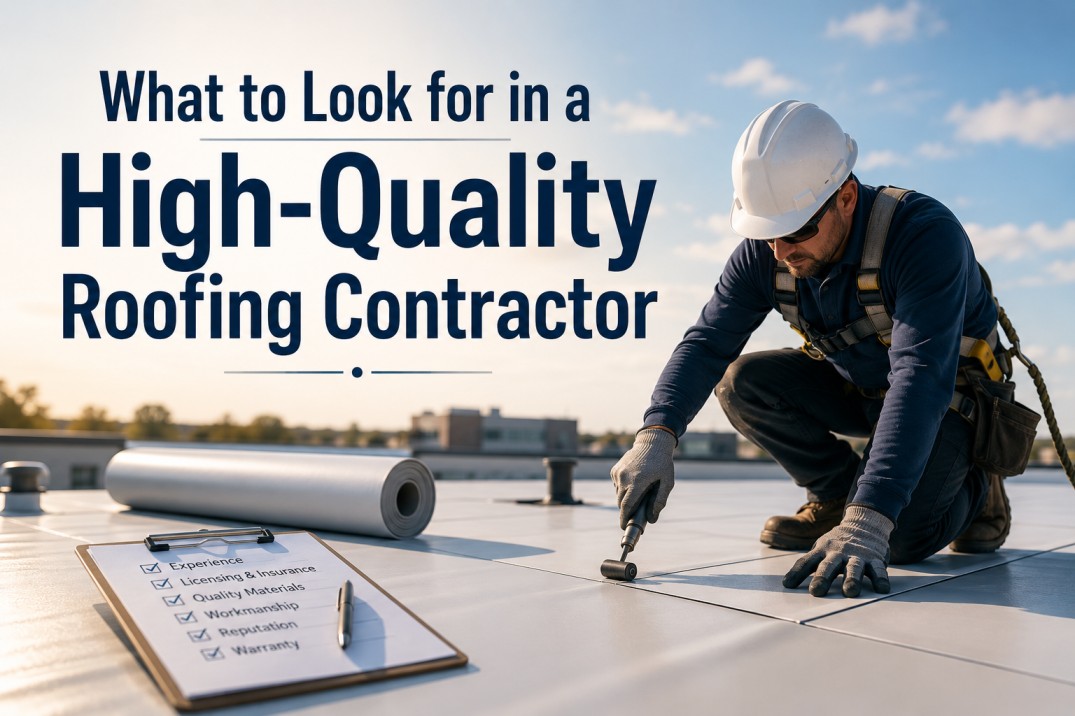
A roof is one of the most critical components of any home, yet it’s often out of sight and out of mind—until something goes wrong. Whether you’re dealing with storm damage, aging materials, or planning a proactive upgrade, choosing the right roofing contractor can make all the difference in how your investment performs over time.
Not all roofing services are created equal. The difference between a rushed job and a well-executed project can impact durability, maintenance costs, and even your home’s long-term value.
Why the Right Roofer Matters More Than You Think
Roofing is not just about installing shingles. It’s a system that includes underlayment, ventilation, flashing, and drainage. Each component plays a role in protecting your home from moisture, heat, and environmental stress.
When a contractor cuts corners or lacks experience, problems may not appear immediately. Instead, they show up months or years later as leaks, mold, or structural issues. That’s why it’s essential to work with professionals who understand the full scope of roofing systems—not just the surface layer.
A qualified roofer helps ensure:
- Proper installation techniques
- Compliance with local building standards
- Better long-term performance
- Fewer unexpected repairs
- Peace of mind for homeowners
Key Qualifications to Look For
Choosing a roofing contractor can feel overwhelming, especially with so many options available. However, focusing on a few key qualifications can help narrow down your decision.
Certifications and Manufacturer Recognition
One of the strongest indicators of quality is manufacturer certification. These programs typically require contractors to meet strict standards for installation, training, and customer satisfaction.
For example, homeowners researching options may come across providers like a GAF Master Elite roofer in Peachtree City, which reflects a level of recognition tied to consistent workmanship and adherence to best practices. While certifications alone don’t guarantee perfection, they often signal a higher level of professionalism.
Experience With Local Conditions
Roofing needs vary depending on climate and environment. A contractor familiar with local weather patterns understands how to select materials and installation methods that hold up over time.
Clear Communication
A good contractor should be able to explain the scope of work in simple terms. If estimates are vague or questions go unanswered, it may be a sign to look elsewhere.
Understanding the Roofing Process
Homeowners often feel more confident when they understand what a roofing project involves. While every job is unique, most follow a general sequence.
Inspection and Assessment
The process begins with a detailed evaluation of the current roof. This helps identify damage, weak points, and underlying issues that may not be visible at first glance.
Material Selection
Choosing the right materials involves balancing durability, appearance, and budget. Asphalt shingles are common, but other options like metal or architectural shingles may offer additional benefits.
Installation
Proper installation is where quality truly matters. This includes everything from removing old materials to ensuring proper sealing and alignment of new components.
Final Inspection
A thorough final check ensures that all elements are correctly installed and functioning as intended.
Common Mistakes to Avoid When Hiring a Roofer
Even well-informed homeowners can run into challenges if they overlook certain red flags. Being aware of common mistakes can help you avoid unnecessary stress.
Choosing Based on Price Alone
While budget is important, the lowest bid is not always the best option. Extremely low estimates can indicate shortcuts in materials or labor.
Skipping the Research Phase
Taking time to review a contractor’s background, past work, and customer feedback can reveal valuable insights.
Ignoring Written Agreements
A detailed contract protects both the homeowner and the contractor. It should clearly outline the scope, timeline, and expectations.
Overlooking Warranty Details
Understanding what is covered—and for how long—can prevent confusion later on.
Benefits of Investing in Quality Roofing Work
A well-installed roof offers more than just protection. It contributes to the overall efficiency and appearance of your home.
Energy Efficiency
Proper insulation and ventilation can help regulate indoor temperatures, reducing the strain on heating and cooling systems.
Increased Property Value
A newer, well-maintained roof can make a home more attractive to potential buyers.
Reduced Maintenance
High-quality materials and workmanship often result in fewer repairs over time.
Enhanced Curb Appeal
A roof is a major visual element. Updating it can significantly improve the overall look of your property.
Questions to Ask Before Starting Your Project
Before committing to a contractor, it’s helpful to ask a few important questions:
- How long have you been working in this area?
- What certifications or training do you have?
- Can you explain the full scope of the project?
- What type of materials do you recommend and why?
- How do you handle unexpected issues during installation?
These questions not only provide clarity but also help establish trust and transparency.
Conclusion
Roofing projects are a significant investment, and the results can last for decades when done correctly. Taking the time to choose a qualified contractor ensures that your home is protected, efficient, and visually appealing.
By focusing on experience, certifications, communication, and overall approach, homeowners can make informed decisions that lead to better outcomes. A strong roofing system isn’t just about materials—it’s about the expertise behind the installation and the long-term value it delivers.