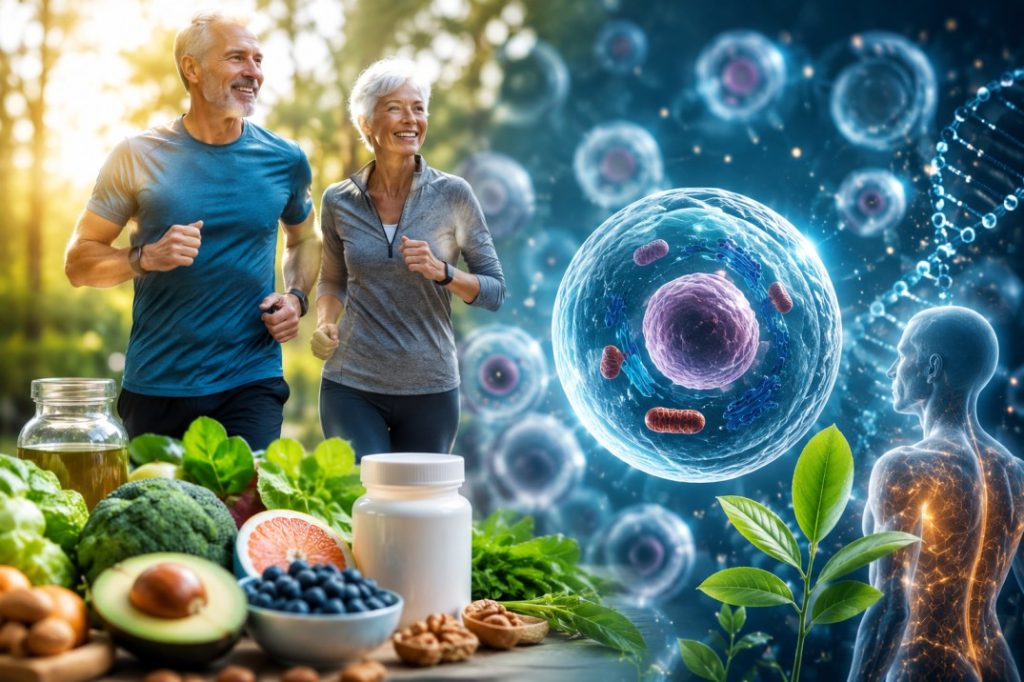
The pursuit of longer, healthier life is more than a trend; it is a sustained interest that blends lifestyle, science, and practical daily choices. Supplements marketed for vitality and longevity promise support for energy, cellular health, cognitive resilience, and overall well-being. Understanding what these supplements aim to do, which ingredients show promising science, and how to use them safely is crucial before integrating them into a routine.
What “Vitality and Longevity” Really Means
Vitality refers to a sense of energy, physical resilience, and mental sharpness. Longevity, in contrast, is about the length of life and the quality of those additional years. A meaningful approach combines both: living longer with fewer chronic diseases and better functional capacity.
Supplements that target vitality and longevity generally focus on cellular health, inflammation control, metabolic function, and mitochondrial performance. They are not miracle cures, but when combined with diet, exercise, sleep, and stress management, they can be part of a preventive strategy to support healthy aging.
Modern research emphasizes the role of oxidative stress and telomere shortening in the aging process. By including antioxidants, adaptogens, and compounds like NAD+ precursors in supplementation, it is possible to reduce cellular damage and promote cellular repair mechanisms. Furthermore, personalized approaches that consider genetic factors and lifestyle habits can enhance the effectiveness of these interventions.
In addition, the gut microbiome has emerged as a crucial factor influencing both vitality and longevity. A balanced and diverse gut flora contributes to reduced inflammation, improved nutrient absorption, and enhanced immune function. Probiotics, prebiotics, and dietary fibers thus play a supportive role in sustaining overall well-being throughout the aging journey.
Key Biological Targets
Modern longevity science has identified several pathways influential in aging and age-related diseases. These include oxidative stress, chronic inflammation, mitochondrial dysfunction, telomere attrition, and impaired protein homeostasis. Supplements often aim to modulate one or more of these mechanisms.
For instance, antioxidants can reduce oxidative damage to cells, while compounds that support mitochondrial function may improve energy production. Activators of cellular cleanup systems like autophagy are also being studied for their potential to clear damaged proteins and organelles, which may help maintain cellular resilience over time. Learn more about these mechanisms in the following link: https://aspedan.com/
Oxidative Stress and Antioxidants
Oxidative stress results from an imbalance between free radicals and the body’s ability to neutralize them. Antioxidant compounds such as vitamin C, vitamin E, and polyphenols can scavenge free radicals and protect cellular components. While dietary antioxidants are beneficial, excessive supplemental antioxidant use can sometimes blunt adaptive responses to exercise or other stressors, so balance is important.
Inflammation and Immune Modulation
Low-grade, chronic inflammation is linked to many age-related conditions, from cardiovascular disease to neurodegeneration. Ingredients like omega-3 fatty acids, curcumin, and certain phytochemicals can help modulate inflammatory pathways. Supporting the immune system while avoiding overstimulation is key for maintaining health in later life.
Mitochondrial Health
Mitochondria are the cell’s powerhouses, and their decline is a hallmark of aging. Nutrients such as coenzyme Q10, nicotinamide riboside (NR) or nicotinamide mononucleotide (NMN), and alpha-lipoic acid have been studied for their roles in supporting mitochondrial function and cellular energy production. These compounds can help maintain vigor and metabolic flexibility.
Ingredients with Evidence of Benefit
Not all ingredients are created equal. Some have decades of clinical research backing their safety and efficacy, while others are more speculative. The following list highlights well-studied compounds frequently included in vitality and longevity supplements.
Nicotinamide Adenine Dinucleotide (NAD+) Precursors
NAD+ is a coenzyme involved in metabolic reactions and DNA repair. Levels decline with age, and boosting NAD+ has been associated with improved mitochondrial function in animal studies. NAD+ precursors like nicotinamide riboside (NR) and nicotinamide mononucleotide (NMN) are used to support cellular metabolism, with human trials showing promising effects on metabolic markers and physical performance.
Omega-3 Fatty Acids
Long-chain omega-3s (EPA and DHA) have robust evidence for cardiovascular benefits, anti-inflammatory effects, and support for cognitive health. They can improve lipid profiles, reduce triglycerides, and support brain cell membrane integrity, which is important for cognitive longevity.
Curcumin and Other Polyphenols
Curcumin, the active compound in turmeric, and other polyphenols like resveratrol and quercetin are known for anti-inflammatory and antioxidant properties. These molecules interact with multiple signaling pathways involved in aging, such as NF-κB and sirtuins. Bioavailability can be a challenge, so formulations that improve absorption are commonly used.
Coenzyme Q10 and Mitochondrial Nutrients
CoQ10 supports mitochondrial electron transport and serves as an antioxidant. Levels of CoQ10 decrease with age, especially in people on statin medications. Supplementation can support energy levels, cardiovascular health, and overall cellular function when taken at appropriate doses.
Magnesium, Vitamin D, and B Vitamins
Micronutrients are foundational to metabolic and neurological health. Magnesium supports hundreds of enzymatic reactions, including those involved in energy production. Vitamin D is linked to immune health, bone maintenance, and mood regulation. B vitamins, particularly B12 and folate, are essential for nervous system function and homocysteine regulation.
Formulations and Synergy
Effective supplements often combine multiple ingredients that complement each other. For example, pairing NAD+ precursors with resveratrol or quercetin may support sirtuin activation and cellular repair pathways. Omega-3s can work alongside curcumin to reduce inflammation from different angles.
Synergy can enhance benefits, but it also raises the importance of careful dosing and attention to interactions. Multi-ingredient products should be evaluated for clinically validated doses of each component rather than relying on proprietary blends that hide amounts.
Standardization and Bioavailability
The form of an ingredient matters. Standardized extracts ensure consistent amounts of active compounds, while technologies like liposomal encapsulation, phospholipid complexes, and co-administration with piperine (for curcumin) can improve absorption. Choose formulations that provide research-backed delivery methods.
Safety, Interactions, and Guidelines
Supplements are not without risks. Interactions with prescription medications, effects on lab tests, and overconsumption of certain vitamins or minerals can cause harm. Consultation with a healthcare provider is recommended, especially for individuals taking anticoagulants, immunomodulatory drugs, or medications for chronic conditions.
Start with baseline assessments—blood work for vitamin D, B12, lipid panels, and metabolic markers—so progress can be tracked. Report any adverse reactions like gastrointestinal upset, headaches, or unusual bruising, and adjust use under medical guidance.
Dosage and Cycling
Many longevity-support strategies benefit from cyclical use rather than continuous high doses. For example, intermittent fasting, exercise-induced stress, and certain supplement protocols aim to produce hormetic responses—beneficial adaptations to mild stress. Continuous heavy antioxidant supplementation may blunt these adaptive processes, so moderation and periodic evaluation are sensible.
Population Considerations
Aging is individual—genetics, lifestyle, and preexisting health conditions shape supplement needs. Older adults commonly require higher attention to B12, vitamin D, and protein intake, whereas younger adults may focus on prevention. Women and men can have differing micronutrient priorities, such as iron or calcium considerations during specific life stages.
Practical Tips for Choosing and Using a Supplement
When selecting a vitality and longevity supplement, prioritize transparency, third-party testing, and clinically supported ingredient doses. Reputable manufacturers publish ingredient lists with amounts, source information, and sometimes certificates of analysis showing purity and absence of contaminants.
Check for Third-Party Testing
Look for independent verification from organizations that test for potency and contaminants like heavy metals, pesticides, and microbes. Labels from third-party testing labs provide an added layer of assurance that products contain what they claim.
Monitor Outcomes and Adjust
Track subjective measures such as energy, sleep quality, and cognitive clarity, alongside objective metrics like blood tests and fitness performance. If improvements plateau or adverse effects appear, reassess the regimen with a healthcare professional to optimize dosing or change components.
Lifestyle Integration—Supplements as Support, Not Substitution
Supplements are aids that work best within a foundation of healthy lifestyle choices. Nutrition rich in whole foods, regular physical activity, adequate sleep, stress management, and avoidance of tobacco and excessive alcohol constitute the primary pillars of longevity. Supplements target specific biological pathways but cannot replace the broad benefits of lifestyle interventions.

Physical activity remains one of the most potent longevity tools, supporting cardiovascular health, muscle mass, metabolic flexibility, and brain health. Combined with a nutrient-dense diet, exercise amplifies the benefits of many supplements and supports long-term vitality.
Dietary Patterns That Complement Supplementation
Eating patterns such as the Mediterranean diet, which emphasizes vegetables, fruit, whole grains, lean protein, and healthy fats, align well with longevity goals. Periodic calorie restriction or time-restricted eating can also interact with supplement strategies aimed at boosting metabolic health and cellular repair mechanisms.
Common Misconceptions and Marketing Claims
Marketing language often exaggerates benefits or suggests that a single pill can reverse aging. Healthy skepticism is warranted. Evidence for life extension in humans is limited and usually emerges from long-term epidemiological studies or carefully controlled trials targeting specific risk factors, not dramatic reversal of aging.
Terms like “anti-aging” are broad and not regulated, so evaluating the science behind specific claims, rather than promotional language, leads to better choices. Focus on measurable outcomes, peer-reviewed research, and clinical trial data where available.
Conclusion
Vitality and longevity support supplements can be a meaningful component of a comprehensive plan for healthier aging, especially when chosen based on scientific evidence and used alongside proven lifestyle measures. Ingredients such as NAD+ precursors, omega-3s, curcumin, CoQ10, and essential micronutrients have shown potential benefits, but they perform best as part of an integrated approach.
Prioritize quality, monitor outcomes, and consult healthcare professionals to tailor supplementation to individual needs. The goal is not only to extend lifespan but to enhance healthspan the period of life spent in good health, free of disabling disease. Thoughtful use of supplements can contribute to that objective when combined with disciplined attention to daily habits that sustain energy, resilience, and well-being.