Surgical precision relies heavily on the quality and reliability of the instruments used in the operating room. Among the vast array of tools available to surgeons, hemostatic forceps play a critical role in managing blood flow and ensuring clear visibility. One of the most frequently utilized instruments in this category is the crile hemostats. These versatile tools are a staple in general surgery and are essential for clamping blood vessels or tissue before cauterization or ligation.
GreyMedical®, a privately owned medical technology company dedicated to innovation and excellence in the craft of surgical instruments, understands that the reliability of a surgical procedure often starts with the integrity of the steel in the surgeon’s hand. High-quality instrumentation ensures that medical professionals can focus entirely on the patient rather than worrying about equipment performance.
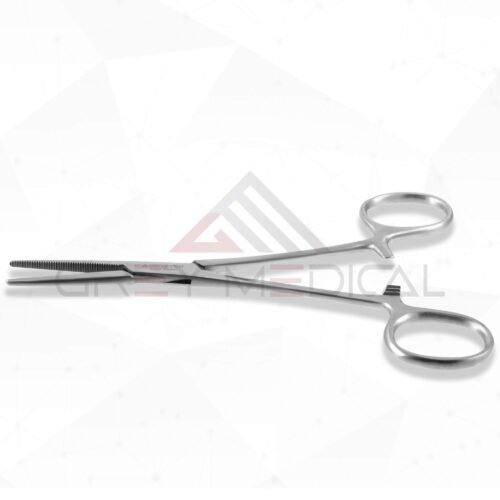
The Anatomy and Function of the Instrument
Hemostats are designed to stop bleeding by clamping blood vessels. What sets crile hemostats apart from other clamps, such as the smaller mosquito forceps or the heavier Kelly forceps, is their specific design intended for medium-sized blood vessels. They typically feature serrations along the entire length of the jaw, which provides a firm, non-slip grip on tissue without causing excessive trauma.
This full-jaw serration is a key distinguishing feature. It allows surgeons to clamp larger sections of tissue securely. Whether the procedure is an exploratory laparotomy or a minor soft tissue repair, the ability to control hemostasis effectively can significantly reduce operative time and post-operative complications. The ratcheted handle allows the surgeon to lock the instrument in place, freeing up their hands to perform other critical tasks during the operation.
Why Quality Manufacturing Matters
In the world of medical technology, not all steel is created equal. The durability of crile hemostats depends entirely on the manufacturing process and the grade of stainless steel used. Poorly manufactured instruments can suffer from jaw misalignment, weak locking mechanisms, or corrosion after repeated sterilization cycles.
GreyMedical® prioritizes the longevity and precision of its instruments. By adhering to rigorous manufacturing standards, the company ensures that every instrument provides the tactile feedback and reliability surgeons expect. When a surgeon reaches for a clamp, they need to know it will lock securely and release smoothly. This attention to detail is what separates standard equipment from professional-grade surgical assets.
Versatility in Medical Procedures
While primarily designed for clamping blood vessels, these instruments are surprisingly versatile. Surgeons often use curved adson elevator for blunt dissection, separating tissue planes gently without cutting. The straight variations are excellent for grasping sutures or holding tough fascia. This adaptability makes them one of the most cost-effective and necessary items on a surgical tray.
Beyond human surgery, these hemostats are also widely used in veterinary medicine and dental procedures, proving their utility across various medical disciplines. Their balanced weight and ergonomic design reduce hand fatigue during long procedures, which is a crucial factor for medical professionals performing delicate work for hours at a time.
Conclusion
The success of a surgical outcome is a sum of many parts, from the surgeon’s skill to the quality of the tools they use. Crile hemostats remain a fundamental component of surgical kits worldwide due to their reliability in controlling bleeding and assisting in tissue manipulation. By choosing high-quality instruments from trusted providers like GreyMedical®, healthcare facilities ensure their teams are equipped with tools that uphold the highest standards of safety and excellence.