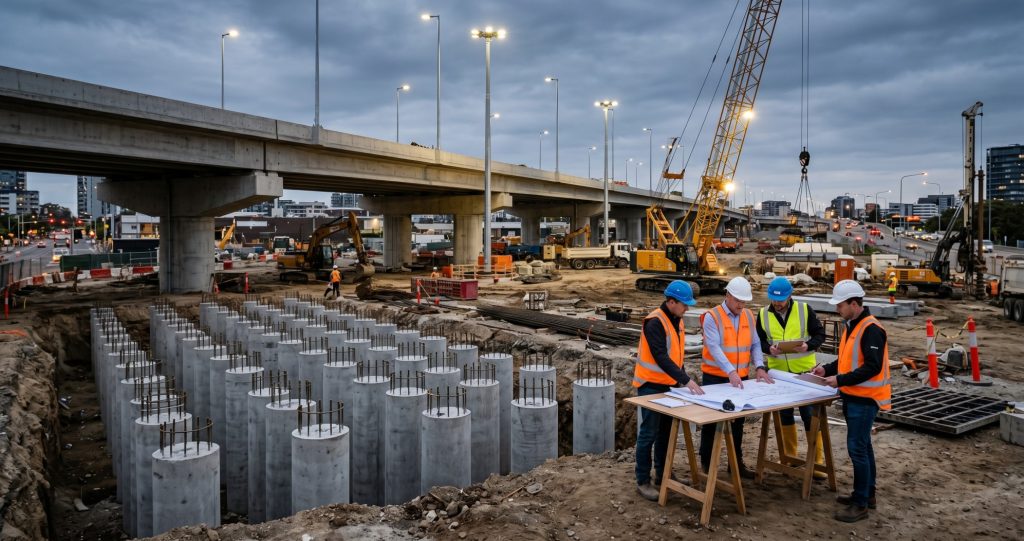
Scrap metal removal is an essential process for households, businesses, and construction sites looking to dispose of unwanted metal materials. Whether it’s broken appliances, old vehicles, leftover construction debris, or industrial byproducts, managing scrap metal efficiently not only frees up space but also contributes to environmental sustainability and can even generate revenue. This article explores the importance, methods, and benefits of scrap metal removal, along with practical tips for getting started.
Why Scrap Metal Removal Matters
-
Environmental Impact
Recycling scrap metal reduces the need for mining raw materials, conserving natural resources and decreasing greenhouse gas emissions. Unlike many other materials, metal can be recycled indefinitely without losing its properties, making it one of the most sustainable materials to recycle. -
Space and Safety
Accumulated scrap metal can take up valuable space and pose safety hazards due to sharp edges, rust, or potential for tripping. Timely removal helps maintain clean, safe environments. -
Financial Incentive
Many types of metal, such as copper, aluminum, brass, and stainless steel, have high resale value. By sorting and selling scrap to certified recyclers, individuals and businesses can earn back some of their costs.
Types of Scrap Metal
Scrap metal is broadly categorized into two types:
-
Ferrous Metals: Contain iron (e.g., steel, cast iron). These are magnetic and often used in construction and automotive industries.
-
Non-Ferrous Metals: Do not contain iron (e.g., copper, aluminum, brass, lead). These tend to have a higher market value due to their resistance to rust and corrosion.
Identifying and separating these metals is crucial for effective recycling and valuation.
How Scrap Metal Removal Works
-
Assessment
Begin by identifying the types and quantities of scrap metal on your property. This could include old appliances, wiring, car parts, metal furniture, pipes, or roofing materials. -
Sorting and Storage
Separate metals into ferrous and non-ferrous categories to simplify recycling and increase resale value. Use bins or designated storage areas to keep metals organized and safe from weather damage. -
Hiring a Scrap Removal Service
Professional scrap removal companies offer services ranging from pick-up and hauling to demolition and site clean-up. Many provide free estimates and may pay for valuable scrap on the spot. -
Drop-Off at Recycling Centers
For smaller loads, individuals may choose to transport scrap directly to local recycling centers or scrap yards. Be sure to check hours of operation and material requirements in advance.
Choosing a Scrap Metal Removal Company
When selecting a service provider, consider the following:
-
Licensing and Insurance: Ensure the company is certified to handle scrap materials and carries liability insurance.
-
Reputation and Reviews: Check online reviews and ratings to gauge customer satisfaction and reliability.
-
Environmental Commitment: Look for companies that prioritize eco-friendly disposal and recycling methods.
-
Pricing Transparency: Get quotes upfront and ask about how payment is determined for valuable metals.
Safety and Legal Considerations
Handling scrap metal can pose risks such as cuts, chemical exposure, or heavy lifting injuries. Always wear protective gloves, boots, and eye gear when handling scrap, and follow proper lifting techniques. Additionally, ensure all materials are legally yours to dispose of—taking scrap from unauthorized sites is considered theft in many jurisdictions.
Conclusion
Scrap metal removal is more than just clearing clutter—it’s a smart, eco-conscious, and potentially profitable activity. Whether you’re a homeowner cleaning out a garage or a contractor wrapping up a renovation project, understanding how to properly handle and remove scrap metal can save time, reduce waste, and benefit your bottom line. By partnering with a trusted scrap removal service or visiting a local recycling center, you’ll contribute to a cleaner environment while making the most of your metal waste.