A roof does far more than top off a home—it protects everything underneath it. Yet many homeowners only think about roofing when something goes wrong. Whether you’re dealing with storm damage, aging materials, or planning a full upgrade, choosing the right roofing partner is one of the most important decisions you’ll make for your property.
This guide walks through what to consider before starting a roofing project, how to evaluate contractors, and what separates a reliable service provider from the rest.
Why Roofing Quality Matters More Than You Think
Your roof is your home’s first line of defense against the elements. Poor installation or subpar materials can lead to costly problems such as leaks, mold growth, insulation issues, and even structural damage.
A high-quality roofing job offers several long-term benefits:
- Improved energy efficiency by regulating indoor temperatures
- Increased property value for resale or appraisal
- Enhanced curb appeal that elevates the look of your home
- Lower maintenance costs due to better durability
Investing in quality upfront often prevents expensive repairs later.
Signs It’s Time to Repair or Replace Your Roof
Not all roofing issues require a full replacement, but knowing the warning signs can help you act before problems escalate.
Common indicators include:
- Missing, cracked, or curling shingles
- Water stains on ceilings or walls
- Moss or algae growth
- Sagging rooflines
- Frequent leaks during rainstorms
If your roof is over 20 years old, it’s also worth scheduling an inspection—even if there are no visible issues.
How to Choose a Reliable Roofing Contractor
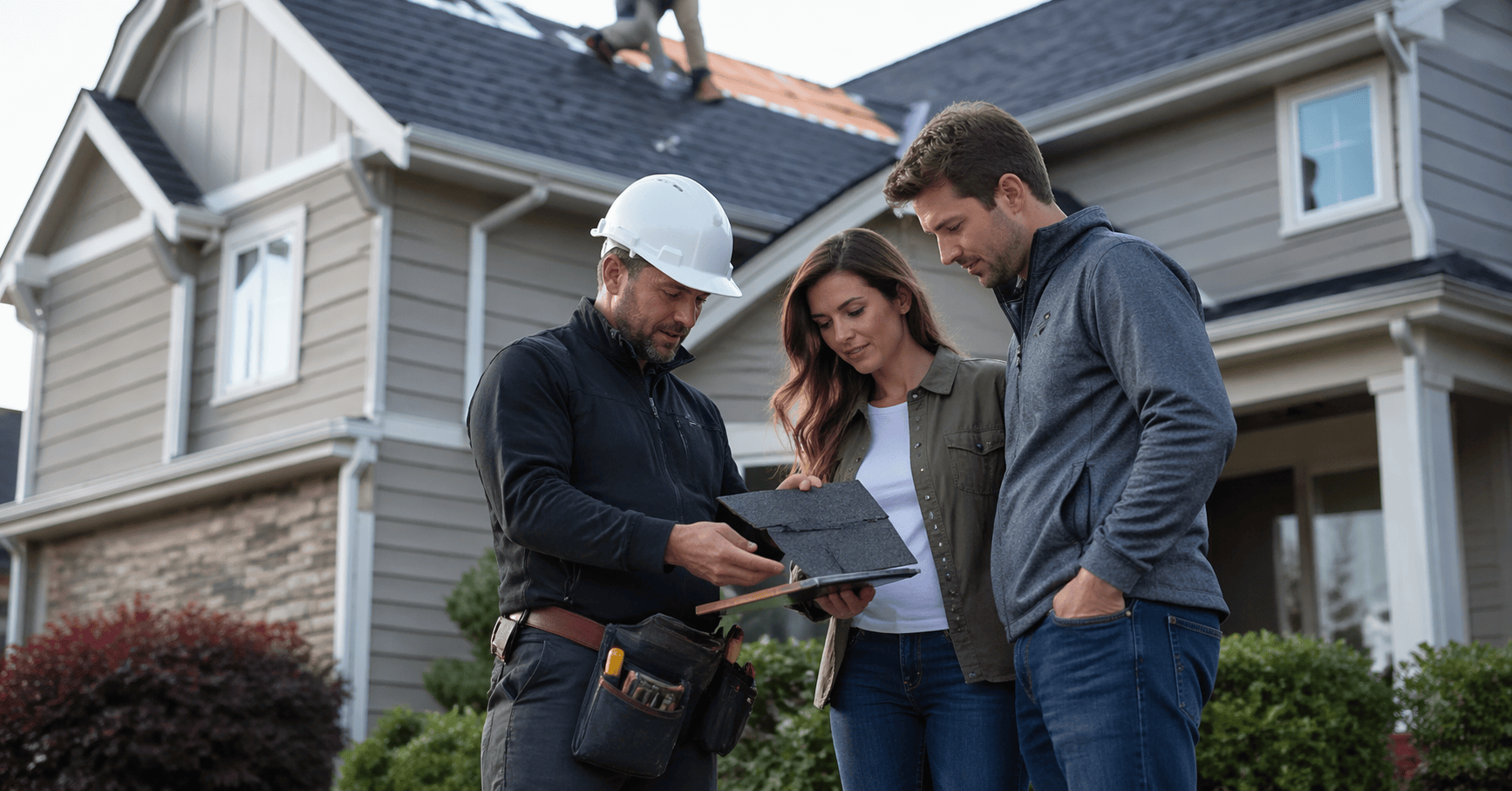
Finding the right contractor can feel overwhelming, especially with so many options available. The key is to look beyond price and focus on credibility, experience, and transparency.
What to look for:
- Proper licensing and insurance
Always confirm that your contractor is licensed and carries liability and worker’s compensation insurance. - Local experience
Contractors familiar with your area understand regional weather conditions and building codes. - Clear communication
A trustworthy contractor explains the process, timelines, and costs in detail before starting work. - Written estimates and warranties
Avoid vague quotes. Everything should be documented, including warranty coverage. - Strong reputation
Look for consistent customer feedback and a portfolio of completed projects.
For homeowners who want a starting point in evaluating professional services, you can explore Ideal Precision Roofing and Exteriors to better understand what a full-service roofing provider typically offers and how projects are approached from consultation to completion.
Roofing Materials: Choosing What Works Best for You
Not all roofs are created equal. The right material depends on your budget, climate, and aesthetic preferences.
Popular options include:
- Asphalt shingles
Affordable and widely used, suitable for most residential homes - Metal roofing
Durable, energy-efficient, and resistant to extreme weather - Tile roofing
Long-lasting and visually distinctive, though heavier and more expensive - Wood shakes
Natural appearance but requires more maintenance
Each material has trade-offs, so discussing options with a professional can help align your choice with long-term goals.
The Importance of Proper Installation
Even the best materials can fail if installed incorrectly. Installation quality directly affects your roof’s lifespan and performance.
A professional roofing team will:
- Conduct a full inspection before starting
- Ensure proper ventilation systems are in place
- Use correct layering and sealing techniques
- Follow manufacturer guidelines for warranties
Skipping these steps often leads to premature wear and avoidable repairs.
Maintenance Tips to Extend Roof Life
Routine maintenance is one of the easiest ways to protect your investment. A well-maintained roof can last significantly longer and perform better over time.
Simple maintenance practices:
- Clean gutters regularly to prevent water buildup
- Trim nearby trees to avoid debris damage
- Inspect your roof after major storms
- Schedule professional inspections every 1–2 years
Small actions can make a major difference in long-term durability.
Understanding Costs Without Cutting Corners
Roofing costs can vary widely depending on size, materials, and labor. While it may be tempting to choose the lowest quote, cheaper options often lead to higher expenses down the line.
Instead, focus on value:
- Are quality materials being used?
- Is labor backed by a warranty?
- Is the contractor experienced and reputable?
A slightly higher upfront cost can save thousands in future repairs and replacements.
Final Thoughts: Make an Informed, Confident Choice
Roofing projects are a significant investment, but they don’t have to be stressful. By understanding your options, recognizing warning signs, and carefully selecting a contractor, you can ensure a smooth process and long-lasting results.
Taking the time to research and partner with a trusted professional not only protects your home—it provides peace of mind for years to come.