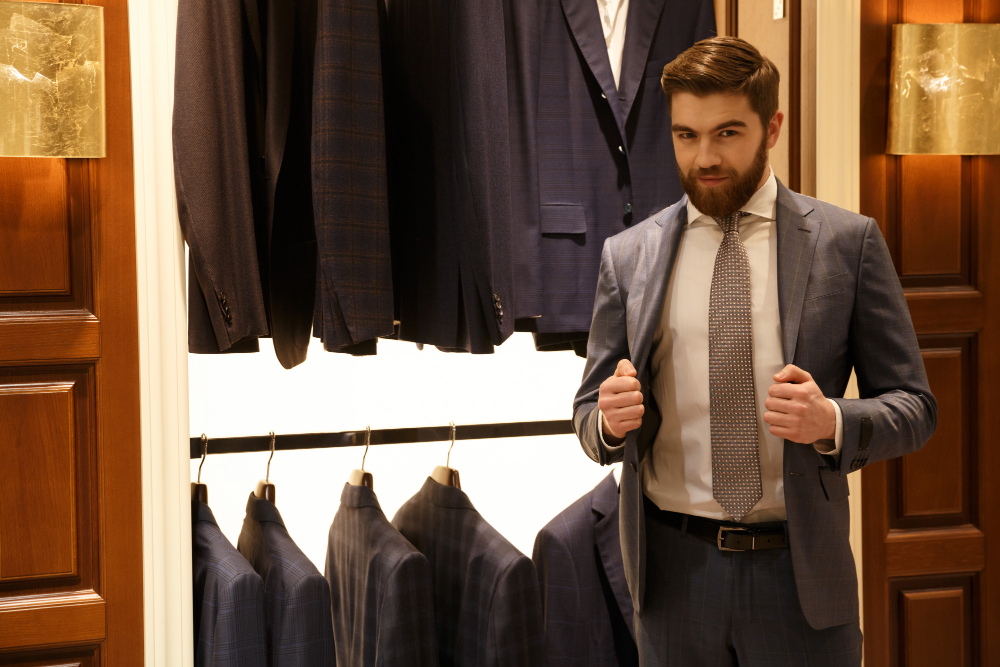
Men’s clothing is no longer just about following trends or copying runway looks. It has evolved into a form of self-expression that reflects personality, values, and lifestyle. What a man wears today often communicates who he is, where he comes from, and what he stands for. From everyday essentials to occasion-ready outfits, clothing plays a quiet yet powerful role in shaping confidence and identity.
Modern men are increasingly aware that good style is not about excess. It is about intention. Choosing the right fit, fabric, and silhouette matters more than owning too many pieces. Men’s clothing today is defined by balance, comfort, and purpose rather than loud statements.
The Foundation of Everyday Men’s Style
Fit Comes Before Fashion
The most important element of men’s clothing is fit. A simple outfit with a well-tailored fit will always look sharper than an expensive piece worn incorrectly. Shirts should sit comfortably on the shoulders, trousers should fall cleanly without bunching, and outerwear should complement body proportions. Fit creates structure, and structure creates confidence.
Fabric and Comfort Matter
Clothing is meant to be lived in. Breathable fabrics, durable weaves, and comfortable textures are essential, especially for daily wear. Natural materials often perform better in warm climates, while structured fabrics add polish to formal looks. When comfort aligns with quality, clothing becomes effortless rather than restrictive.
Everyday Men’s Clothing Essentials
A strong wardrobe begins with versatile basics that can be styled in multiple ways. Neutral shirts, well-cut trousers, and reliable layering pieces form the backbone of everyday dressing. These items allow flexibility, making it easy to transition from work to casual settings without a complete outfit change.
Men’s clothing essentials are not about sameness but about adaptability. A clean shirt can feel relaxed with denim or refined with tailored pants. The same applies to jackets, sweatshirts, and footwear. Thoughtful choices reduce clutter and increase styling options.
Occasion Dressing for Men
Dressing for Work and Professional Settings
Professional attire has shifted significantly over the years. While traditional formalwear still holds importance in certain environments, many workplaces now embrace smart-casual dressing. Clean silhouettes, muted tones, and structured layers strike the right balance between authority and ease. Men’s clothing for work should inspire confidence without feeling stiff.
Cultural and Festive Wear
Clothing worn during cultural moments carries deeper meaning. These outfits are often rooted in tradition, craftsmanship, and heritage. Choosing attire that respects cultural context while feeling contemporary allows men to stay connected to their roots without appearing outdated. The key lies in subtle detailing and refined construction.
Seasonal Approach to Men’s Clothing
Men’s wardrobes benefit from seasonal awareness. Lightweight layers work best in warmer months, while heavier fabrics and structured pieces add comfort during cooler weather. Instead of overhauling the entire wardrobe every season, small adjustments help maintain relevance throughout the year.
Seasonal dressing is also about color. Softer tones often suit summer, while deeper shades feel natural in winter. These shifts keep men’s clothing feeling fresh without constant replacement.
Personal Style and Identity
Dressing as Self-Expression
Style is personal. Men’s clothing should never feel like a uniform imposed by trends. Instead, it should reflect individual taste and lived experiences. Some men gravitate toward minimalism, while others prefer expressive elements. Both approaches are valid when worn with authenticity.
Confidence Through Consistency
Consistency in style builds recognition and confidence. When a man understands what works for him, getting dressed becomes intuitive. Over time, clothing turns into a silent signature rather than a daily struggle. This confidence often translates beyond appearance into posture, presence, and communication.
The Shift Toward Conscious Clothing Choices
Men today are becoming more thoughtful about how their clothes are made and why they are made. Craftsmanship, ethical production, and long-lasting design are gaining importance over fast consumption. Men’s clothing is increasingly viewed as an investment rather than a disposable trend.
This shift encourages slower wardrobes with pieces that age well and hold meaning. Clothing that carries a story often becomes more valuable than clothing that simply fills space.
Men’s Clothing as Culture, Not Just Fashion
Clothing exists within culture. It reflects social changes, generational attitudes, and collective identity. Men’s clothing today blends global influences with local context, creating styles that feel both personal and universal. What a man chooses to wear often mirrors his worldview more than his interest in fashion.
When clothing aligns with values, it feels natural rather than performative. This is where style becomes timeless.
Conclusion: Where Clothing Meets Identity
Men’s clothing is at its best when it goes beyond trends and enters the realm of identity. It should feel honest, comfortable, and intentional. From everyday basics to meaningful statement pieces, clothing shapes how men move through the world and how they see themselves within it.
This belief in clothing as culture, not just commerce, is reflected in Motherland as a brand. It approaches men’s clothing as a form of expression rooted in identity, confidence, and purpose. Not designed to impress, but to represent.