
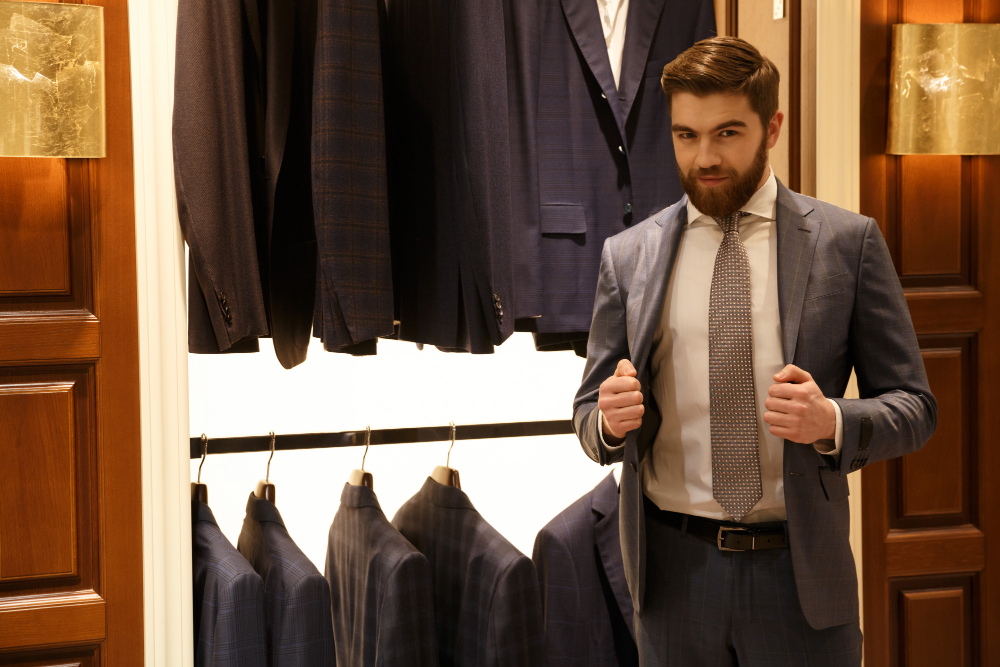
In today’s fast-paced world of fashion, clothing is often treated as disposable—bought quickly, worn briefly, and replaced just as fast. Yet, beneath this surface-level consumption, there remains a quieter, more deliberate approach to dressing: one rooted in craftsmanship, patience, and purpose. Nowhere is this more evident than in the world of well-made men’s suits.
From Utility to Identity
Historically, suits were designed as practical garments—structured clothing meant for work, formal gatherings, and social standing. Over time, however, they have evolved into something far more personal.
A suit today can represent:
- Professional identity
- Personal style
- Cultural expression
- Confidence in social settings
Rather than simply fulfilling a dress code, it becomes a reflection of the individual wearing it.
Why Craftsmanship Still Matters
Behind every well-made suit lies a level of detail that often goes unnoticed. Unlike mass-produced garments, carefully constructed suits involve multiple stages of precision:
- Pattern creation based on real human measurements
- Fabric cutting that considers grain and drape
- Stitching techniques designed for durability and flexibility
- Finishing touches that refine both structure and appearance
These elements aren’t always visible at first glance, but they significantly impact how the suit feels and performs over time.
The Role of Fabric in Performance
Fabric is more than just a visual choice—it directly affects comfort, longevity, and versatility. High-quality materials sourced from established mills tend to offer better breathability, structure, and resilience.
Different fabrics serve different purposes:
- Lightweight wool for year-round wear
- Heavier weaves for colder climates
- Blends that balance durability and comfort
Understanding fabric is key to choosing a suit that works not just for an occasion, but for real-life use.
The Experience of Wearing a Well-Fitted Suit
One of the most overlooked aspects of tailored clothing is how it changes the wearer’s experience. A properly constructed suit doesn’t just sit on the body—it moves with it.
This leads to subtle but meaningful differences:
- Improved posture without conscious effort
- Greater ease of movement
- Reduced need for constant adjustment
These factors contribute to a sense of comfort that allows the wearer to focus on the moment rather than the clothing.
Moving Beyond Mass Production
Mass production has made suits more accessible, but it has also standardized them. In doing so, it often removes the individuality that once defined formalwear.
The alternative approach focuses on:
- Smaller production volumes
- Greater attention to individual needs
- A collaborative process between maker and wearer
This shift is less about rejecting modern convenience and more about reintroducing intention into how clothing is made and worn.
Inclusivity and the Changing Landscape of Tailoring
Modern tailoring is also becoming more inclusive, adapting to a wider range of body types, identities, and style preferences. Traditional definitions of who suits are “for” are expanding, allowing more people to engage with this form of dress on their own terms.
This evolution reflects a broader cultural change—one where clothing is no longer about fitting into a category, but about expressing individuality within it.
Time, Patience, and Value
In contrast to instant purchases, a thoughtfully made suit requires time. Measurements, fittings, and adjustments all contribute to a more refined outcome.
While this process may take longer, it often results in:
- Better long-term value
- Fewer replacements over time
- A stronger connection to the garment
Patience, in this context, becomes part of the value rather than a drawback.
Understanding the Modern Suit Landscape
For those looking to explore how craftsmanship, fit, and personalization come together, learning more about the world of men’s suits can provide a deeper appreciation of what sets them apart from standard retail options.
Final Thoughts
The suit has endured not because of tradition alone, but because of its ability to adapt. From its origins as formal uniform to its current role as a tool for self-expression, it continues to evolve alongside the people who wear it.
In a world where speed often takes priority, the enduring appeal of a well-made suit lies in its ability to slow things down—offering a more thoughtful, intentional way to dress and present oneself.