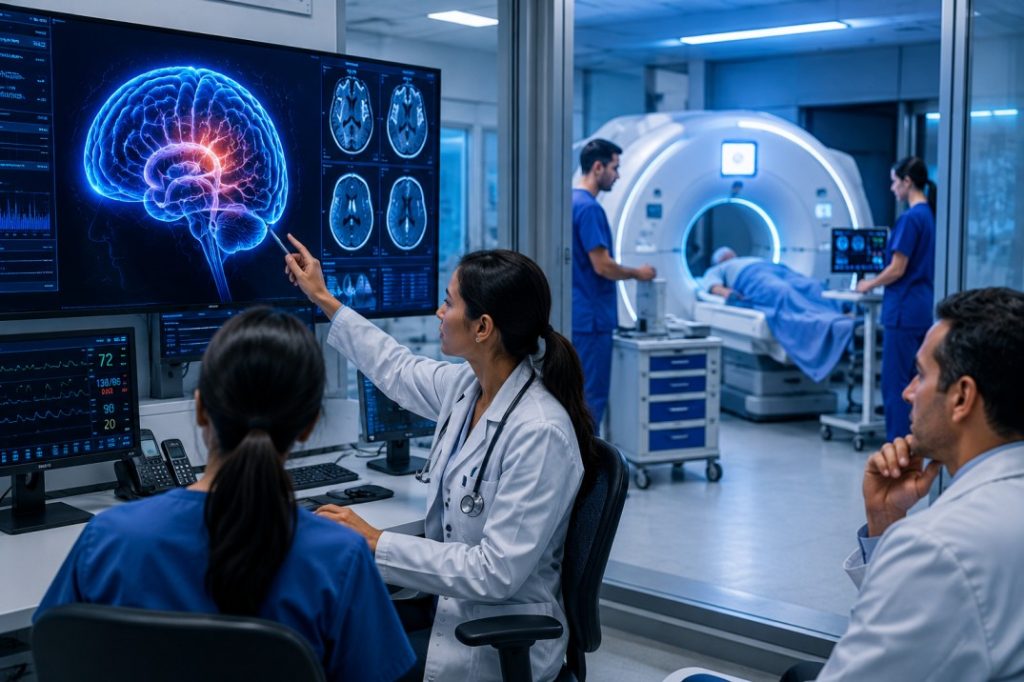
Medical innovation has taken remarkable strides over the past decade, and 2026 marks a turning point for how you experience healthcare. Whether you live with a chronic illness, care for a loved one, or simply want a clearer picture of modern treatment, you now have access to tools that make care quicker, safer and more personal. Technology no longer sits behind the scenes in hospitals. You feel its impact every time you speak to a doctor online, monitor your health through a wearable device or explore treatment options that were impossible just a few years ago.
As a clinician and content strategist, I have watched these developments reshape the way patients understand their bodies, make decisions and receive treatment. In this article, I will walk you through the most influential changes and explain how they help you take more control over your health.
1. Digital Consultations Bring Healthcare Directly to You
Virtual consultations are no longer a temporary solution. By 2026, they have become a core part of care delivery. You can now speak to a GP, specialist or mental health practitioner without leaving home. The reduction in travel alone removes stress for patients who struggle with chronic pain, mobility problems or anxiety.
Digital systems now give clinicians a clearer picture of your symptoms because you can upload photos, share device readings and describe issues in real time. You receive faster treatment plans, and your clinician can follow up more regularly than in a traditional in-person model.
Remote care platforms also help caregivers monitor relatives. If you support a parent with dementia or a partner recovering from surgery, you can keep track of appointments, medication schedules and symptom logs through shared apps.
2. AI Speeds Up Diagnosis and Reduces Delays
Artificial intelligence has advanced far beyond simple automation. Diagnostic support tools now analyse your scans, blood tests and symptom patterns within seconds. They don’t replace the clinician, but they highlight issues that need immediate attention.
By 2026, most major hospitals use AI-enhanced systems to detect early signs of:
- Heart disease
- Kidney decline
- Stroke risk
- Cancer growth
- Infections that previously took days to confirm
This means you receive treatment sooner and avoid serious complications. For example, an AI chest CT analysis can flag suspicious nodules long before symptoms appear, prompting an oncologist to act quickly.
AI also helps clinicians track rare disorders. For instance, those living with oesophageal problems may recognise terms like Natural Remedy for Achalasia, but early diagnosis still matters. Advanced imaging software now identifies swallowing abnormalities more accurately, helping specialists recommend treatments such as POEM surgery at the right time.
3. Breakthrough Procedures Improve Outcomes With Less Recovery Time
New surgical techniques have changed how you experience treatment. Many procedures that once required major incisions now use endoscopic or robotic methods, allowing you to heal far quicker.
One of the most important examples is POEM (Peroral Endoscopic Myotomy) for Achalasia. Instead of opening the chest or abdomen, the surgeon reaches the oesophageal muscle through the mouth. You avoid external wounds, spend less time in hospital and return to normal eating faster. The precision of high-definition scopes makes this procedure far safer and more effective than older methods.
Other fields benefitting from advanced tools include:
- Cardiology: Small robotic arms open blocked arteries with exceptional accuracy.
- Orthopaedics: Smart implants track joint function after knee or hip replacement.
- Urology: Minimally invasive lasers now treat kidney stones with reduced discomfort.
These procedures give you shorter hospital stays, fewer complications and improved long-term results.
4. Wearable Health Tools Give You More Control Over Daily Health
Wearables have moved beyond basic step counting. Devices now track blood oxygen, ECG rhythms, sleep quality, blood sugar trends and even early signs of infection. You receive alerts before symptoms become severe, letting you act early.
As a patient, this puts you in charge of your health. You know immediately if your heart rate looks unusual, if your glucose drops overnight or if your oxygen levels fall during exercise. These readings also help your clinician personalise treatment, rather than using one-size-fits-all approaches.
Caregivers also gain reassurance. Many tools allow real-time monitoring, so you can spot problems in an elderly parent before they worsen.
5. Precision Medicine Gives You Personalised Treatment
In 2026, treatment decisions no longer rely solely on general guidelines. Genetic testing, biomarker analysis and lifestyle profiling now help clinicians shape your care.
If you live with a long-term illness like arthritis, Crohn’s disease or asthma, your specialist can design a medication plan that suits how your body responds. You avoid side-effects that previously forced patients to switch medicines repeatedly.
Precision medicine also supports natural and integrative approaches. Patients often ask for safer, plant-based options, and many providers now use evidence-based supplements to support recovery. You might explore options like Best organic herbal supplements as part of a holistic plan, especially for digestive comfort, sleep support or inflammation control. Platforms such as Herbal Care Products offer a wide range of plant-based formulations that many patients find helpful alongside medical treatment.
6. Robotics Improve Safety in Surgery and Hospital Care
Robotic systems now play a central role in surgery, ward support and rehabilitation. Surgeons use robotic arms for delicate procedures that demand stability beyond human hands. This improves safety, especially in operations involving the spine, prostate or tiny blood vessels.
In hospitals, automated robots transport medications, deliver supplies and disinfect rooms with UV systems. This reduces human contact during infection outbreaks and keeps wards safer for vulnerable patients.
Rehabilitation robots help stroke survivors and spinal injury patients regain movement. They guide limbs with precise force, reducing strain on both patient and therapist.
7. Smart Hospitals Respond to Your Needs Faster
New hospitals in 2026 use integrated digital systems that track everything from bed availability to medication safety. Your medical record updates instantly across departments, so you never repeat information. Scans, lab results and observations reach your doctor without delay.
Smart beds now monitor heart rate, movement and breathing without attaching cables to your body. Nurses receive warnings if your condition changes while you sleep. Automated pumps also dispense medicines more safely by cross-checking dosing instructions with your electronic record.
For patients with chronic illness, this environment removes stress. You know your care team has accurate, up-to-date information at every moment.
8. Home-Based Monitoring Reduces Hospital Visits
Improved home-care technology benefits those living with long-term disease. If you manage heart failure, diabetes, COPD or kidney problems, you can track your readings from home and send them directly to your clinician. They contact you if your values drift outside a safe range.
This approach helps you:
- Avoid unnecessary hospital trips
- Catch complications earlier
- Feel supported between check-ups
Home technology also benefits people waiting for surgery or recovering after an operation. Your clinician can track your progress and adjust care quickly if concerns arise.
9. Mental Health Support Becomes More Accessible
Mental health care has grown significantly due to online counselling, AI-supported screening tools and digital therapeutic apps. You no longer wait months for support. Many platforms now offer guided sessions for anxiety, stress and depression.
AI tools also prompt you to record daily mood changes, sleep patterns and triggers. These logs help therapists adjust treatment and identify issues that need immediate attention.
For teenagers and young adults, specialised apps provide private, judgement-free spaces to express concerns. Parents and caregivers can monitor progress through secure systems.
10. Integrative Approaches Gain Recognition
Patients today want safe, natural and medically informed treatment options. Doctors increasingly combine modern care with evidence-based natural therapies that support long-term wellness. For example:
- Herbal supplements for digestive support
- Plant-based anti-inflammatory blends
- Sleep-support formulas
- Nutrient-rich remedies that strengthen immunity
Many patients explore these alongside conventional medicine. Brands like Herbal Care Products offer natural formulations that support general well-being. Some use herbal options to manage symptoms gently while discussing medical treatments with their clinician.
What This Means for You in 2026 and Beyond
Medical technology continues to reshape your healthcare experience in ways that make treatment safer, more personal and far more accessible. You benefit from earlier diagnoses, shorter hospital stays, clearer communication and more control over your daily health. Whether you live with a long-term illness or simply want better access to care, these advancements make healthcare feel more responsive and supportive.
You now have a stronger voice in your medical decisions. You can explore cutting-edge procedures such as POEM surgery, track your progress through digital tools, and support your well-being with safe natural options such as Best organic herbal supplements. The combination of expert medical care and patient empowerment will continue to evolve, giving you the confidence to manage your health with clarity and reassurance.