
Closed-cell foam insulation increases property value by improving energy efficiency, structural integrity, and resistance to moisture and air infiltration. Its dense structure creates a rigid barrier that strengthens walls, supports load-bearing surfaces, and reduces utility costs by maintaining consistent indoor temperatures.
This guide explains how closed-cell foam contributes to long-term building performance. It includes technical details, comparison data, and key considerations to help property owners make informed choices.
Closed-Cell Foam and Property Value
Closed-cell foam has one of the highest insulation ratings per inch and adds a layer of vapor and air resistance. This reduces heating and cooling demands, which can lower energy bills and increase the building’s energy performance score—a factor that can influence resale value or commercial tenant appeal.
The foam hardens into a rigid material that supports walls and roofs, improving their resistance to wind, pressure, and moisture. These structural and thermal advantages directly impact long-term maintenance costs and property durability.
Comparison Table of Insulation Options
|
Feature |
Closed-Cell Foam |
Open-Cell Foam |
Fiberglass Batts |
Mineral Wool |
|---|---|---|---|---|
|
R-Value (per inch) |
6.0–7.0 |
3.5–3.8 |
2.9–3.8 |
3.0–4.0 |
|
Moisture Resistance |
High |
Low |
Low |
High |
|
Air Seal |
Very High |
High |
Low |
Moderate |
|
Structural Support |
Yes |
No |
No |
No |
|
Best Use |
Exterior walls, basements, roofs |
Attics, interior walls |
Accessible framing |
Fire-resistant areas |
|
Cost (per sq ft) |
Higher |
Moderate |
Lower |
Moderate |
|
Lifespan |
30+ years |
20–30 years |
10–25 years |
30+ years |
Bonus Tip: Closed-cell foam is often used in flood-prone areas because it resists water absorption and maintains insulation value after exposure.
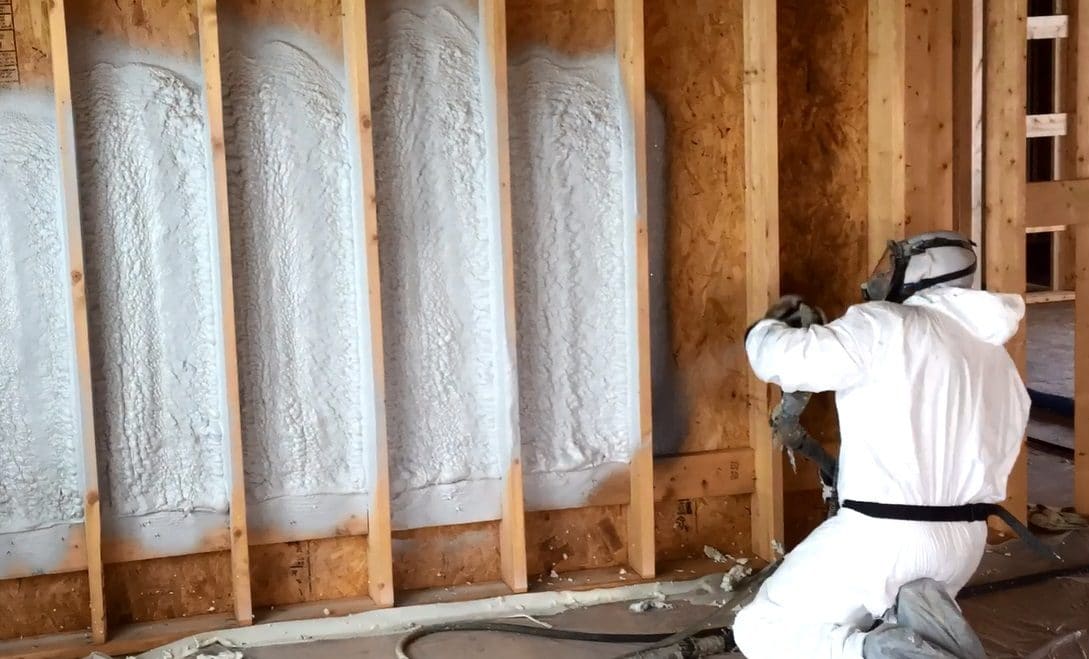
Technical Specifications of Closed-Cell Foam Insulation
|
Specification |
Closed-Cell Spray Foam |
|---|---|
|
R-Value per Inch |
6.0–7.0 |
|
Vapor Permeability |
≤1 perm |
|
Density |
1.75–2.2 lbs/ft³ |
|
Water Absorption |
<2% |
|
Compressive Strength |
25–30 psi |
|
Air Leakage |
Near zero |
|
Flame Spread (ASTM E84) |
≤25 |
|
Expansion Ratio |
~30:1 |
|
Application Temperature Range |
60°F–90°F (optimal) |
Energy and Cost Efficiency Benefits
Closed-cell insulation contributes to long-term energy savings by minimizing heat transfer. The U.S. Department of Energy reports that up to 40% of a building’s energy loss comes from air leaks. Closed-cell foam’s tight seal helps reduce this significantly.
Energy savings vary by location and application but often result in:
- 15%–25% lower heating and cooling costs in properly sealed buildings
- Fewer HVAC repairs due to reduced load
- Higher Home Energy Score (HES) or Energy Star rating
In commercial buildings, improved insulation can support LEED certification points and meet ASHRAE building standards.
Structural Benefits
Load Support and Wall Strength
Closed-cell foam bonds tightly to framing materials. Once cured, it reinforces wall and roof assemblies, helping them resist compression, wind uplift, and shear forces.
Flood and Water Damage Resistance
Because it doesn’t absorb moisture like open-cell foam or fiberglass, it helps protect structures in damp conditions. It can be used below-grade or in crawl spaces when sealed with approved vapor barriers.
Bonus Tip: Closed-cell foam can act as a secondary water barrier in hurricane- or storm-prone regions.
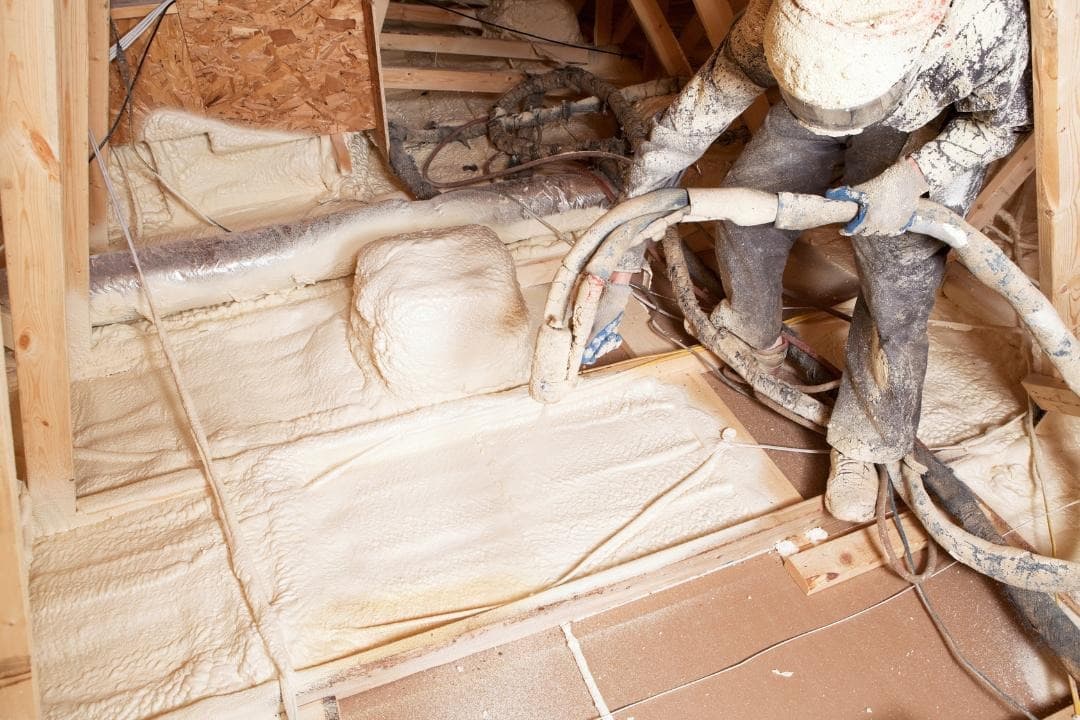
Things to Consider Before Making a Decision
Budget and Installation Scope
- Closed-cell foam has a higher upfront cost due to its material density.
- Full coverage areas like basements or exterior walls increase cost but yield better energy returns.
- Limited application areas, such as rim joists or crawl spaces, can still provide targeted value.
Local Climate and Moisture Risk
- Ideal for cold or humid climates due to vapor resistance.
- Works in basements, garages, and unvented roofs where moisture control is critical.
Building Codes and Fire Ratings
- Often requires a thermal barrier (like gypsum board) to meet code.
- In commercial settings, additional intumescent coatings may be required.
Renovation and Retrofit Use
- Excellent for retrofit insulation in existing wall cavities and roofs with limited space.
- May require specialized contractors due to pressurized application equipment and curing safety.
Common Questions About Value and Application
Will closed-cell insulation increase appraisal value?
It can. Buildings with higher energy performance and lower utility costs are more attractive to buyers and tenants, especially in energy-conscious markets.
Is it a good fit for older homes?
Yes. It helps seal air leaks in older structures and adds strength where framing may be weaker. Pre-installation inspection is important to assess moisture levels and structural integrity.
Can it be used on metal buildings or pole barns?
Yes. It adheres well to metal surfaces and resists condensation, making it suitable for agricultural and industrial use.
How Closed-Cell Foam Insulation Adds Value to Your Property FAQ
How long does closed-cell spray foam last?
It can last 30 years or more when installed properly and protected from UV exposure or physical damage.
Is it worth the extra cost over fiberglass?
In many cases, yes. The added energy savings, moisture resistance, and structural benefits often justify the cost difference, especially in long-term property value.
Can it be used on roofs?
Yes. It’s often used under roof decks or in cathedral ceilings, providing both insulation and structural rigidity.
Does closed-cell foam prevent mold?
It resists moisture, which reduces the conditions mold needs to grow. However, it does not eliminate the need for proper ventilation.
Is it safe after installation?
Yes. After curing (typically within 24 hours), it is inert and does not emit harmful gases or particles.
Make the Right Decision
Closed-cell foam insulation adds value to residential and commercial buildings by improving thermal resistance, supporting structural integrity, and reducing moisture-related issues. Though more expensive than traditional options, it often pays off through energy savings and reduced maintenance over time.
When choosing insulation, assess the building’s age, location, exposure to moisture, and long-term use plans. Closed-cell foam performs best in areas where both insulation and strength matter—especially in basements, exterior walls, and roofs exposed to temperature extremes or water risk.

