Electrical systems are the backbone of modern living, powering everything from household appliances to large-scale industrial machinery. But with this power comes the responsibility of ensuring safety and preventing damage caused by overcurrent, short circuits, or electrical faults. One of the most crucial components in achieving this safety is the electronic fuse holder. Though often overlooked, this small yet vital device plays a significant role in protecting circuits and extending the lifespan of electrical equipment.
In this complete guide, we will explore what an electronic fuse holder is, the different fuse holder types, how to choose the right one for your needs, and why it matters for effective circuit protection.

What is an Electronic Fuse Holder?
An electronic fuse holder is a device designed to house and secure a fuse in an electrical circuit. Its primary purpose is to ensure the fuse is correctly positioned so it can interrupt the flow of current during fault conditions, such as a short circuit or overload. Without a proper holder, fuses could be improperly installed, leading to poor contact, unreliable performance, or even hazards like overheating and electrical fires.
Electronic fuse holders come in various designs, depending on the type of fuse they are intended to hold and the application environment. They are used in household wiring, automobiles, electronic devices, industrial systems, and renewable energy installations.
Why is an Electronic Fuse Holder Important?
While the fuse itself is responsible for breaking the circuit when needed, the electronic fuse holder ensures:
Secure Positioning – Prevents the fuse from loosening due to vibrations or movement.
Proper Contact – Maintains a firm connection for effective current flow.
Easy Maintenance – Allows for quick replacement of fuses without dismantling complex wiring.
Enhanced Safety – Reduces the risk of arcing, overheating, or accidental shocks.
By keeping the fuse stable and accessible, the holder becomes an indispensable part of any safe electrical design.
Types of Electronic Fuse Holders
Fuse holders are not one-size-fits-all. There are several fuse holder types, each tailored to specific applications and fuse designs. Understanding these types will help you choose the right one for your needs.
Panel-Mount Fuse Holders
- Designed to be mounted on a control panel or enclosure.
- Provide quick access to fuses for maintenance.
- Commonly used in control systems, power supplies, and consumer electronics.
PCB-Mount Fuse Holders
- Directly mounted on printed circuit boards.
- Ideal for compact electronic devices where space is limited.
- Often used in computers, printers, and communication devices.
In-Line Fuse Holders
- Installed directly on the wiring, usually in series with the load.
- Suitable for automotive wiring, low-voltage circuits, and outdoor equipment.
- Come with weatherproof options for outdoor use.
Cartridge Fuse Holders
- Designed to hold cylindrical cartridge fuses.
- Common in industrial systems, large appliances, and high-power applications.
Blade-Type Fuse Holders
- Designed for automotive blade fuses.
- Frequently used in cars, trucks, boats, and motorcycles.
DIN-Rail Fuse Holders
- Mounted on DIN rails inside electrical cabinets.
- Popular in industrial automation and control systems.
Key Factors to Consider When Choosing a Fuse Holder
Selecting the right electronic fuse holder involves considering the following factors:
Fuse Type and Size – The holder must be compatible with the physical dimensions and specifications of the fuse.
Current and Voltage Ratings – Ensure the holder can handle the maximum electrical load.
Environmental Conditions – Consider whether the holder will be exposed to moisture, dust, heat, or vibration.
Ease of Maintenance – In critical systems, quick replacement capability is crucial.
Material Quality – Look for heat-resistant, non-conductive materials to ensure durability.
Safety Certifications – Compliance with standards like IEC or UL ensures reliability and safety.
Applications of Electronic Fuse Holders
The versatility of electronic fuse holders means they are used in a wide range of applications:
Home Appliances – Microwaves, washing machines, and refrigerators.
Automobiles – Cars, motorcycles, and electric vehicles.
Industrial Machinery – Motors, control panels, and automation systems.
Consumer Electronics – Computers, televisions, and audio systems.
Renewable Energy Systems – Solar inverters, wind turbines, and battery storage units.
Advantages of Using the Right Fuse Holder
Choosing the right fuse holder types offers numerous benefits:
Improved Safety – Prevents accidental contact with live parts.
Reliability – Reduces the risk of poor connections that can lead to faults.
Longer Equipment Life – Protects against damage from electrical surges.
Cost Efficiency – Minimizes downtime by enabling fast fuse replacement.
Versatility – Compatible with a variety of fuse sizes and ratings.
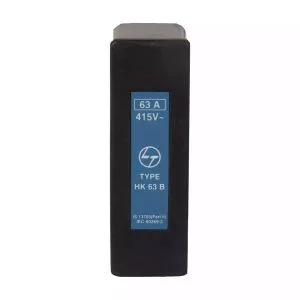
Common Mistakes to Avoid When Choosing Fuse Holders
Even with a wide selection of fuse holder types available, mistakes in selection or installation can compromise safety and performance. Common errors include:
Using a holder not rated for the circuit’s voltage and current.
Installing in an environment without proper protection against moisture or dust.
Choosing the wrong size for the fuse.
Ignoring safety certifications.
Avoiding these mistakes ensures your fuse holder performs effectively throughout its service life.
Maintenance and Safety Tips
To ensure your electronic fuse holder remains in top condition:
Inspect Regularly – Check for signs of wear, discoloration, or damage.
Replace Damaged Holders – A cracked or corroded holder can compromise safety.
Ensure Proper Contact – Loose connections can lead to overheating.
Use Correct Tools – For panel-mounted types, use insulated tools to replace fuses.
Follow Manufacturer Instructions – Always adhere to installation and maintenance guidelines.
The Future of Fuse Holders
With the rise of smart grids, electric vehicles, and renewable energy, electronic fuse holders are evolving to meet higher safety and performance demands. New designs include:
Smart Fuse Holders – Equipped with sensors to monitor temperature and current flow.
Modular Designs – Allowing quick configuration changes for different applications.
Eco-Friendly Materials – Reducing environmental impact without compromising safety.
The integration of advanced materials and intelligent monitoring systems means fuse holders will remain an integral part of safe electrical infrastructure for years to come.
Conclusion
An electronic fuse holder may seem like a small component, but it is one of the most critical elements in ensuring circuit safety and reliability. By understanding different fuse holder types, their applications, and selection criteria, you can significantly enhance the protection and lifespan of your electrical systems.
When it comes to high-quality electrical components, Lauritz Knudsen Electrical and Automation stands out as a trusted provider, delivering innovative and reliable solutions to meet diverse industrial and residential needs. Their expertise ensures you get the best electronic fuse holders and other essential electrical products for maximum safety and efficiency.