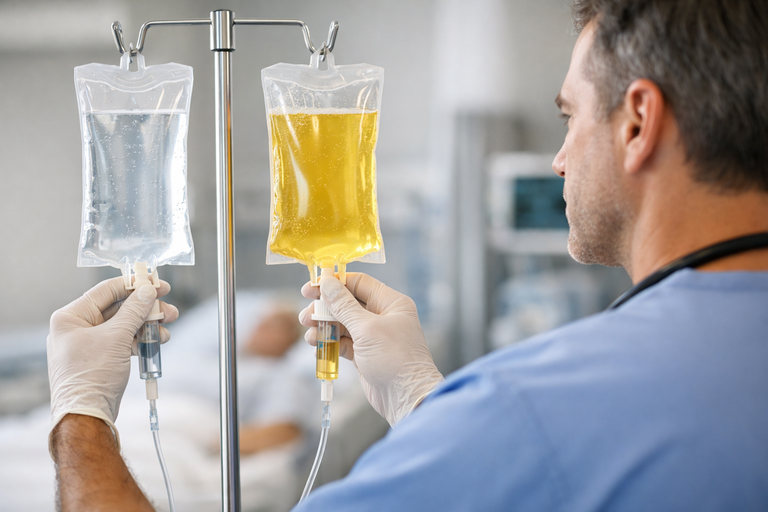
Platelet-Rich Plasma (PRP) therapy has become one of the most talked-about non-surgical options for managing hair loss. It involves using the patient’s own blood, processing it to concentrate the platelets, and then injecting it back into the scalp where hair thinning is present. This treatment is widely used to stimulate hair follicles, improve hair thickness, and promote healthier growth.
For those specifically dealing with a receding hairline, the question arises: does PRP work for this particular type of hair loss? The answer lies in understanding how PRP interacts with the scalp and hair follicles. Many individuals looking into this option often search for details like How Much Does PRP Treatment Cost in Dubai, but more importantly, they want to know if it’s effective and safe for frontal hair thinning.
What Causes a Receding Hairline?
Genetic Factors
The most common reason behind a receding hairline is genetics, particularly androgenetic alopecia or male/female pattern baldness. This hereditary condition gradually shrinks hair follicles over time, especially around the temples and forehead.
Hormonal Changes
Hormones like dihydrotestosterone (DHT) play a major role in hair loss. DHT tends to affect the follicles along the hairline more aggressively, causing them to weaken and eventually stop producing hair.
How PRP Targets Hair Follicles
Platelets and Growth Factors
PRP is derived from a person’s blood through a simple process of centrifugation that isolates platelets rich in healing and growth factors. These platelets are then injected into targeted areas of the scalp, where they stimulate dormant or weakened follicles.
Follicle Reactivation
When applied to areas like the receding hairline, PRP works to reactivate miniaturized follicles by increasing blood supply and delivering essential proteins. This results in thicker, healthier hair over time, although multiple sessions are typically needed for visible results.
Is PRP Effective for Receding Hairlines?
Best for Early-Stage Hair Loss
PRP tends to be most effective when the hairline is thinning but not completely bald. Individuals with active follicles, even if they are producing thin hair, stand a better chance of seeing results from PRP injections.
Who Is an Ideal Candidate?
Early Signs of Hair Thinning
Individuals who notice a gradual thinning at the temples or frontal scalp without complete baldness are ideal candidates. PRP works by nourishing and stimulating existing follicles, so some level of hair activity is necessary.
Good Overall Health
Candidates with no underlying health conditions that affect platelet count or wound healing typically respond better to PRP treatments. It’s also important that the individual maintains a healthy lifestyle to support the therapy’s effectiveness.
Combining with Other Treatments
PRP is often used alongside other hair loss solutions like topical minoxidil or low-level laser therapy to enhance results. This combination approach can help prolong the benefits and tackle hair loss from multiple angles.
Benefits of PRP for Receding Hairlines
Minimal Downtime
PRP therapy offers a quick recovery time, allowing individuals to resume daily activities almost immediately after the procedure. This makes it a convenient option for those with busy schedules.
Improved Hair Quality
Many individuals report not just improved density, but also better texture and strength of hair following PRP treatment. This contributes to a fuller, healthier-looking hairline.
How to Maximize the Benefits of PRP
Follow a Consistent Treatment Plan
Adhering to the treatment schedule is essential. Most providers recommend an initial series of 3 to 4 sessions spaced a few weeks apart, followed by maintenance sessions every few months.
Avoid Smoking and Excessive Alcohol
Smoking and alcohol can hinder blood circulation and reduce the effectiveness of PRP therapy. It’s advisable to avoid these habits before and after treatment to ensure optimal results.
Final Thoughts
PRP therapy has shown promising potential in treating receding hairlines, especially when caught early. While it may not reverse severe hair loss, it can significantly improve the density, health, and strength of thinning hair. The key lies in understanding its limitations and using it as part of a holistic hair restoration strategy.