A well-chosen insulation solution is the most efficient way to maintain consistent indoor temperatures across seasons. By controlling heat transfer, insulation keeps indoor spaces warmer in winter and cooler in summer, reducing reliance on HVAC systems and lowering energy consumption. The right insulation type, properly installed, can improve comfort, enhance indoor air quality, and significantly reduce utility bills.
This guide outlines the most effective insulation types, compares their performance, and offers technical insights to help readers make informed decisions for year-round thermal regulation.
Understanding the Main Types of Insulation
Different insulation types offer varying thermal resistance, moisture control, fire ratings, and application methods. Understanding their core characteristics helps in aligning the solution with specific building needs and climate conditions.
Common Insulation Materials Compared
|
Insulation Type |
Material Composition |
R-Value per Inch |
Ideal Use Case |
Moisture Resistance |
Fire Resistance |
Installation Method |
|
Fiberglass Batts |
Glass fibers |
2.9 – 3.8 |
Attics, walls, floors |
Low |
Moderate |
Rolled & fitted manually |
|
Spray Foam |
Polyurethane |
6.0 – 7.0 |
Wall cavities, crawl spaces |
High |
Moderate-High |
Sprayed on-site |
|
Cellulose |
Recycled paper |
3.2 – 3.8 |
Attics and retrofit walls |
Moderate |
Low-Moderate |
Blown-in |
|
Rigid Foam Board |
Polystyrene or Polyiso |
3.8 – 6.5 |
Foundation walls, basements, exteriors |
High |
High |
Cut and attached |
|
Mineral Wool |
Rock or slag wool |
3.0 – 3.3 |
Fire-rated assemblies, basements |
High |
Very High |
Batts or boards |
Bonus Tip: For soundproofing needs, mineral wool outperforms fiberglass due to its higher density.
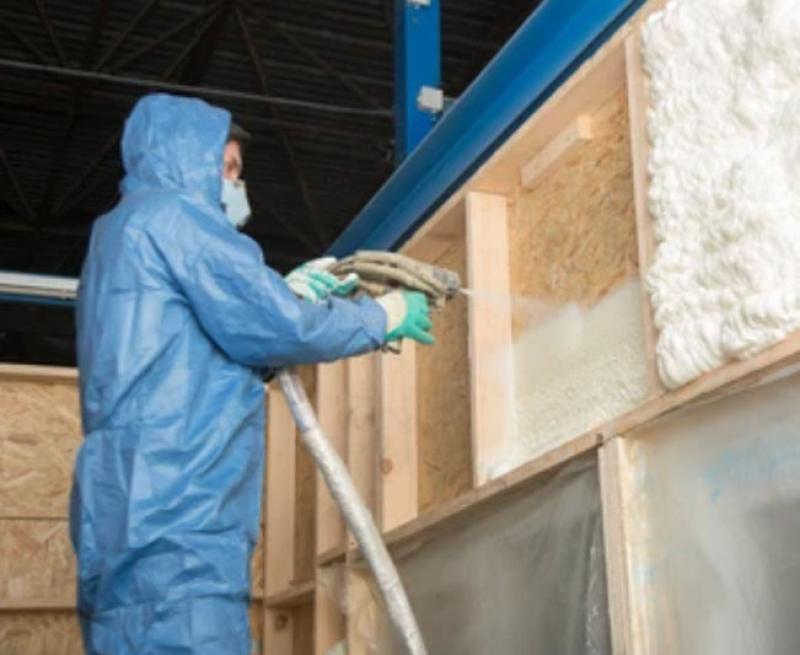
Technical Performance of Insulation
Thermal efficiency is just one part of the equation. Fire ratings, water absorption, and structural integrity also impact long-term performance.
Technical Specifications
|
Property |
Description |
Importance in Application |
|
R-Value |
Thermal resistance; higher = better insulation |
Determines insulation thickness needed |
|
Water Vapor Permeance |
Resistance to moisture diffusion |
Crucial in humid or damp areas |
|
Flame Spread Index |
Measures flame spread rate across material surface |
Safety metric for building code |
|
Density (lb/ft³) |
Weight per volume unit, affects thermal/sound performance |
Affects installation and fire resistance |
|
Lifespan |
Expected functional duration |
Impacts replacement cycles and ROI |
Additionally, insulation may provide air-sealing benefits when properly integrated, further enhancing thermal performance.
Bonus Tip: Combine insulation with sealing techniques such as caulking or weatherstripping to reduce air leakage and maximize efficiency.
Things to Consider Before Making a Decision
Making the right choice involves evaluating environmental, structural, and financial factors.
- Climate Zone: Colder zones require higher R-values. Use climate-specific guidance from energy codes.
- Building Age and Type: Older homes may need retrofit-friendly options like blown-in cellulose or spray foam.
- Moisture Risk: Basements and crawl spaces benefit from moisture-resistant materials like foam boards or mineral wool.
- Budget Constraints: Fiberglass and cellulose offer cost-effective solutions, while spray foam involves higher upfront costs but superior sealing.
- Fire Safety Needs: In multi-family buildings or garages, use fire-rated materials with a low flame spread index.
- Installation Access: Tight spaces often require sprayed or blown-in options over traditional batts.
- Sustainability Goals: Look for recycled content or materials with low environmental impact.
Bonus Tip: For added performance, install insulation in conjunction with radiant barriers in attics to reflect heat and enhance thermal control.
Market Data Snapshot
- According to the U.S. Energy Information Administration (EIA), space heating and cooling account for over 50% of residential energy use.
- A report from the North American Insulation Manufacturers Association (NAIMA) indicates that 90% of U.S. homes are under-insulated, leading to energy waste and indoor discomfort.
- Studies suggest that homes with modern insulation can save up to 15% on annual heating and cooling costs, depending on climate and structure.
[Image: Graph showing energy savings with proper insulation across seasons]
These statistics emphasize the value of proactive insulation upgrades, particularly in older buildings or regions with extreme temperature fluctuations. Upfront investment in insulation leads to measurable long-term savings and increased thermal consistency indoors.
Common Questions
What is the most effective insulation for all climates?
Closed-cell spray foam offers top-tier performance across climates due to its high R-value, air sealing capacity, and moisture resistance.
Can insulation improve soundproofing?
Yes. Dense materials like mineral wool or high-density fiberglass are particularly effective for acoustic insulation.
How do I know if my home is under-insulated?
Uneven indoor temperatures, high energy bills, and cold floors or walls often indicate poor insulation. Infrared scans or energy audits can help identify specific problem areas.
Should I insulate interior walls?
Yes, for noise control and thermal zoning. However, prioritize exterior walls for energy efficiency and maximum cost savings.
How long does insulation typically last?
Most insulation types last 20–100 years, depending on material type and environmental conditions. Spray foam and rigid boards often exceed 50 years with minimal degradation.

Make the Right Decision
Achieving year-round comfort depends on selecting insulation that aligns with your climate, building structure, and energy goals. Start by assessing existing insulation and identifying gaps. Use performance data, not price alone, to guide choices. For best results, integrate insulation with proper sealing and ventilation.
Evaluate long-term efficiency, not just initial costs. Consider moisture control, fire resistance, and installation access as critical elements of the decision-making process. A well-insulated home is not just more comfortable—it’s more resilient and energy-efficient for years to come.
Homeowners, builders, and facility managers alike should treat insulation as a foundational component in their energy strategy. With informed planning and the right combination of materials, year-round indoor comfort becomes an achievable, cost-effective reality.
FAQ
How does insulation affect energy efficiency?
Insulation slows heat transfer, reducing HVAC system demand, which lowers electricity and fuel usage.
What’s the difference between R-value and U-value?
R-value measures resistance to heat flow. U-value measures how well a material conducts heat. Lower U-values indicate better performance.
Can insulation lead to moisture problems?
Improper installation or using permeable materials in damp areas can trap moisture. Use vapor barriers and choose low-permeance options in these zones.
Do I need professional installation?
Spray foam and blown-in cellulose typically require trained installers. Batts and rigid boards are DIY-friendly with proper preparation.
Is more insulation always better?
Not necessarily. Beyond a certain point, returns diminish. Match R-values to regional codes and building needs for cost-effective performance.