It was a busy Friday night in the emergency department when a middle-aged man arrived complaining of chest pain. The team quickly ran through the usual protocols, but somewhere along the way, a critical detail was missed. Hours later, the patient’s condition worsened dramatically. This kind of scenario, unfortunately, is not uncommon in emergency medicine. When treatment fails, it’s often because of errors that can have serious, sometimes tragic, consequences.
The High-Stakes Environment of Emergency Medicine
Emergency departments (EDs) are chaotic by nature. Patients come in with a wide range of issues—from minor injuries to life-threatening conditions. Decisions often have to be made in seconds, with incomplete information. This pressure cooker environment can lead to mistakes that might not happen in other medical settings. The unpredictability of patient presentations, combined with the constant influx of new cases, creates a unique atmosphere where medical professionals must remain agile and focused. The stakes are high, and the emotional toll on both staff and patients can be significant, making resilience and teamwork essential components of effective emergency care.
Unlike scheduled surgeries or routine checkups, emergency care demands rapid assessment and intervention. The margin for error is razor-thin, and the consequences of mistakes can be immediate and severe. Understanding where and why errors occur is crucial to improving patient outcomes. Training programs for emergency medicine professionals emphasize not only clinical skills but also the importance of situational awareness and decision-making under pressure. Simulation-based training is increasingly being utilized to prepare healthcare providers for the unpredictable nature of the ED, allowing them to practice high-stakes scenarios in a controlled environment.
Common Types of Errors in Emergency Medicine
Errors in emergency medicine can take many forms. Some of the most frequent include:
- Diagnostic errors: Misdiagnosing or failing to diagnose a condition promptly.
- Medication errors: Administering the wrong drug, dose, or route.
- Communication breakdowns: Misunderstandings between healthcare providers or with patients.
- Procedural mistakes: Errors during interventions such as intubation or central line placement.
Each of these errors carries its own risks and potential consequences, but they often overlap and compound one another. For instance, a diagnostic error may lead to a medication error if the wrong condition is treated with an inappropriate drug. Similarly, communication breakdowns can exacerbate procedural mistakes, especially in high-pressure situations where clear and concise information is paramount. The complexity of emergency medicine necessitates a robust system of checks and balances, including the use of technology such as electronic health records and decision-support tools, which can help mitigate the risk of errors and enhance patient safety. For legal experts can support victims of such failures, visit Cian O’Carroll Solicitors website, a MEDICAL NEGLIGENCE LAW specialist litigation firm dedicated to pursuing justice for those failed by their healthcare.
Diagnostic Errors: The Silent Threat
One of the most insidious types of errors is a missed or delayed diagnosis. When a patient arrives with symptoms like chest pain, shortness of breath, or abdominal pain, the clock starts ticking. A wrong call can lead to inappropriate treatment or no treatment at all.
For example, a patient presenting with chest pain might be misdiagnosed with acid reflux when they are actually experiencing a heart attack. The delay in administering lifesaving treatments like aspirin or thrombolytics can be fatal.
Why Do Diagnostic Errors Happen?
Several factors contribute to diagnostic errors in the ED:
- Incomplete history: Patients may be unable to provide a full history due to pain, confusion, or altered mental status.
- Overlapping symptoms: Many conditions share similar presentations, making differentiation challenging.
- Time constraints: Limited time to perform thorough exams and order appropriate tests.
- Cognitive biases: Anchoring on an initial diagnosis and failing to reconsider when new information emerges.
Addressing these issues requires vigilance, continuous training, and sometimes, a second set of eyes to catch what one provider might miss.
Moreover, the environment of the emergency department itself can exacerbate these challenges. The chaotic nature of the ED, with its constant influx of patients and the need to prioritize based on severity, can lead to rushed assessments. In such high-pressure situations, even seasoned professionals may overlook critical details. The reliance on technology, while beneficial, can also introduce new errors; for instance, a misread lab result or a malfunctioning diagnostic tool can mislead clinicians and contribute to a cascade of misdiagnoses.
Furthermore, the impact of communication breakdowns cannot be underestimated. When multiple healthcare providers are involved in a patient’s care, discrepancies in information sharing can lead to fragmented care. For instance, if a patient’s symptoms are not clearly communicated during handoffs between shifts or departments, vital clues may be lost, resulting in a misdiagnosis. This highlights the importance of fostering a culture of open communication and teamwork within healthcare settings to mitigate the risks associated with diagnostic errors.
Medication Errors: When the Cure Becomes the Problem
Medication errors are among the most common mistakes in emergency medicine. The ED’s fast pace and the frequent use of high-risk drugs increase the chance of errors.
These errors can range from giving the wrong medication to administering an incorrect dose or failing to recognize drug allergies. The consequences can be mild, like a rash, or severe, such as respiratory distress or cardiac arrest.
Factors Leading to Medication Errors
Several factors make medication errors more likely in emergency settings:
- Stress and fatigue: Healthcare providers working long shifts may be more prone to mistakes.
- Similar drug names: Confusing medications that look or sound alike.
- Incomplete patient information: Unknown allergies or current medications.
- Communication gaps: Misheard or misread orders.
Implementing electronic prescribing, double-check systems, and clear communication protocols can help reduce these errors.
Moreover, the role of technology cannot be overstated in mitigating medication errors. Advanced systems such as computerized physician order entry (CPOE) and clinical decision support systems (CDSS) can significantly enhance the accuracy of medication prescriptions. These systems can alert healthcare providers to potential drug interactions, allergies, or dosing errors before they occur, thereby acting as a crucial safety net. Additionally, the integration of barcode medication administration (BCMA) technology allows for real-time verification of medications at the point of care, ensuring that patients receive the correct drugs at the right dosages.
Education and training also play a pivotal role in reducing medication errors. Regular workshops and simulations can help healthcare professionals stay updated on best practices and familiarize themselves with the latest protocols. Encouraging a culture of safety where staff feel empowered to speak up about potential errors or uncertainties can further enhance patient safety. By fostering an environment where continuous learning is prioritized, emergency departments can better equip their teams to handle the complexities of medication administration in high-pressure situations.
Communication Breakdowns: The Chain Reaction
Effective communication is the backbone of safe emergency care. When communication fails, errors cascade, affecting diagnosis, treatment, and patient safety.

For example, if a nurse fails to relay a critical lab result to the physician, or if a physician’s verbal order is misheard, the patient may receive inappropriate care. Miscommunication between shifts or during handoffs is a particularly vulnerable time. These lapses can lead to delayed treatments, unnecessary procedures, and in severe cases, can even jeopardize a patient’s life. It is essential to recognize that the stakes are incredibly high in emergency settings, where every second counts and clarity can mean the difference between recovery and complications.
Improving Communication in the ED
Standardized communication tools like SBAR (Situation, Background, Assessment, Recommendation) can help ensure important information is passed accurately. Regular team briefings and debriefings also foster a culture of openness and vigilance. These practices not only enhance the flow of information but also build trust among team members, which is crucial in high-pressure environments. Furthermore, implementing simulation training can prepare staff to handle real-life scenarios, reinforcing the importance of clear communication under stress.
Encouraging patients and families to ask questions and be active participants in care can add an extra layer of safety. By fostering an environment where patients feel empowered to voice their concerns or clarify instructions, healthcare providers can catch potential misunderstandings before they escalate. This collaborative approach not only enhances patient satisfaction but also serves as a vital check against errors, creating a more holistic and safer healthcare experience for everyone involved.
Procedural Mistakes: When Precision Matters Most
Emergency procedures such as intubation, central line placement, or chest tube insertion are often lifesaving but carry risks. Errors during these interventions can cause complications like bleeding, infection, or organ injury.
For instance, a misplaced central line can puncture a lung, leading to a pneumothorax. Such complications can rapidly worsen a patient’s condition and prolong hospital stays.
Minimizing Procedural Errors
Proper training, simulation practice, and adherence to sterile techniques are essential. Whenever possible, using ultrasound guidance for line placement reduces risks. Having experienced personnel supervise or assist less experienced providers also improves safety.
The Human Cost of Errors
The consequences of errors in emergency medicine extend beyond statistics. Patients suffer pain, disability, or death. Families endure emotional trauma and loss. Healthcare providers face guilt, burnout, and legal repercussions.
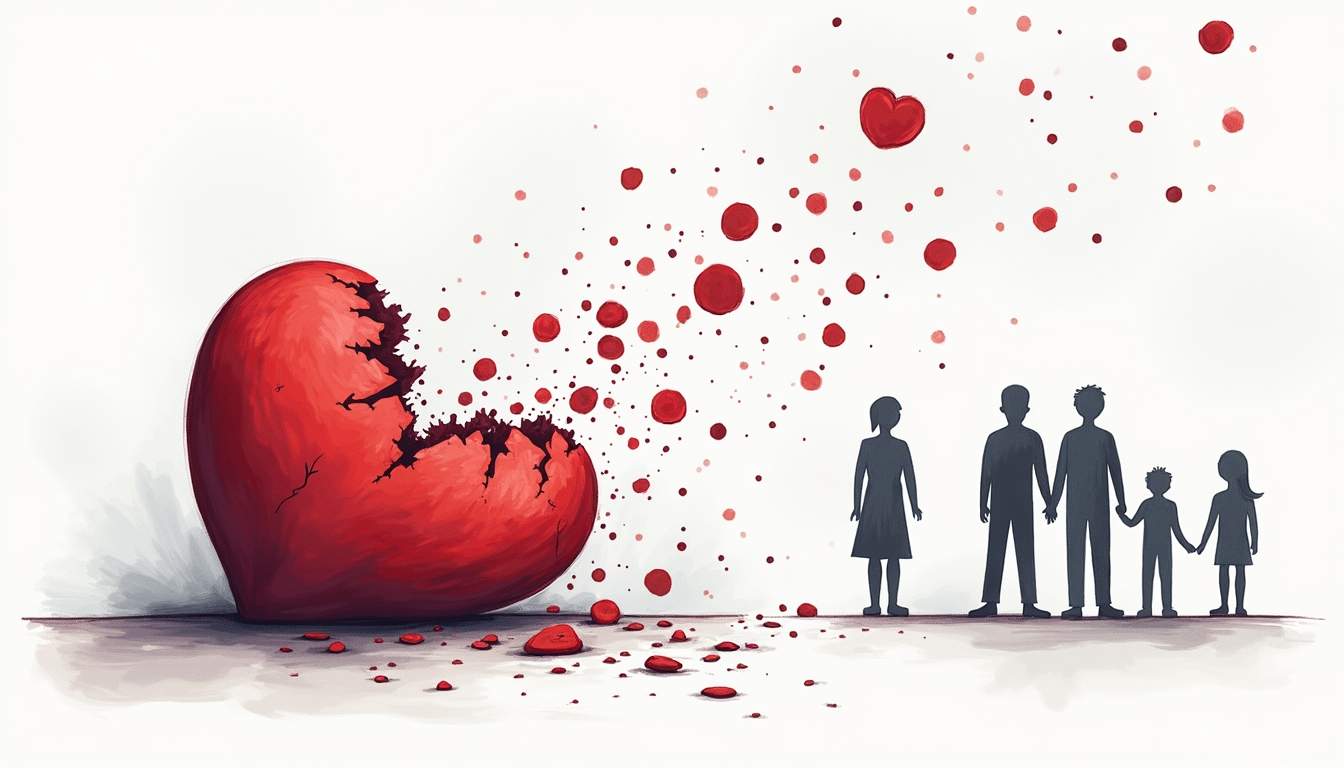
Errors can erode trust in the healthcare system. They highlight the need for transparency, accountability, and a commitment to continuous improvement.
Learning from Mistakes
Many hospitals have adopted morbidity and mortality conferences and root cause analyses to understand how errors occur and prevent recurrence. Creating a non-punitive environment encourages reporting and discussion of mistakes.
Ultimately, every error is an opportunity to improve systems, protocols, and education to make emergency care safer for everyone.
Conclusion
Errors in emergency medicine are inevitable given the complexity and urgency of care. But their impact can be mitigated through awareness, communication, training, and system improvements.
Patients deserve care that is not only fast but also accurate and safe. Healthcare providers must balance speed with caution, using every tool and strategy available to minimize errors.
When treatment fails, understanding why it happened is the first step toward preventing it next time. The stakes are high, but so is the potential to save lives and improve outcomes in the emergency department.