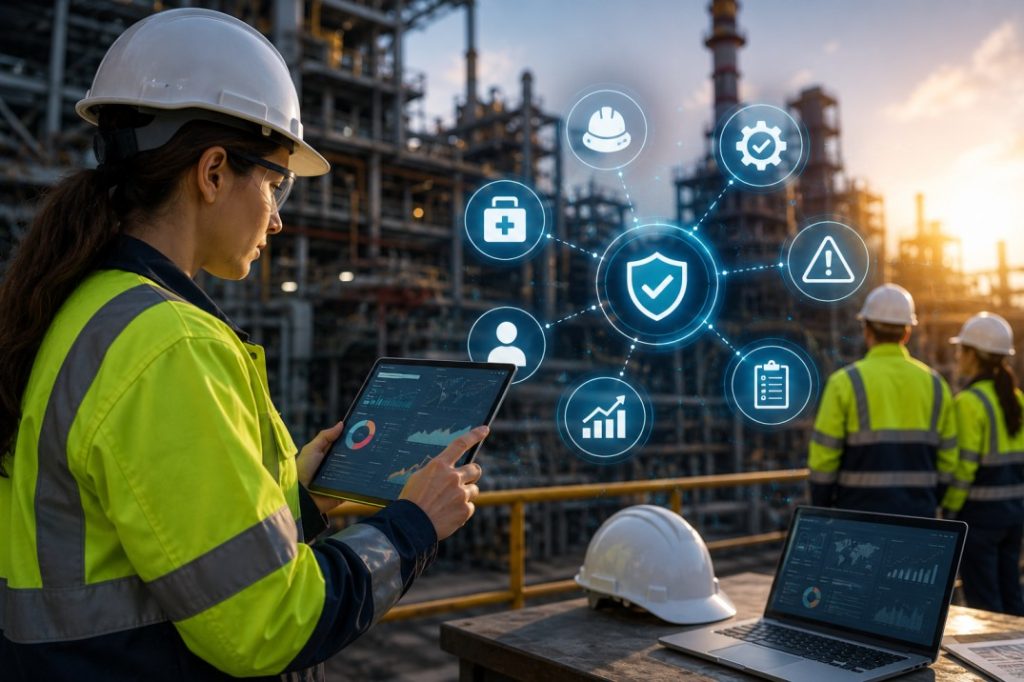
As digital experiences become more interactive and visually rich, the demand for immersive 3D web applications is surging across industries. Whether it’s real estate walkthroughs, virtual product showcases, gamified learning environments, or advanced security dashboards, users expect more than just static pages—they seek environments they can explore, interact with, and trust. This is where WebGL development services come into play.
Hexacoder, a trailblazer in the field of immersive 3D application development, specializes in leveraging WebGL, AI-driven tools, and real-time rendering to help brands reimagine how users engage with digital content. Through seamless integration, smart system design, and cross-platform compatibility, Hexacoder empowers businesses to build next-generation web applications that feel alive, intuitive, and impactful.
Let’s explore how WebGL development services are redefining user experiences—and how Hexacoder is leading the charge.
What is WebGL and Why Does it Matter?
WebGL (Web Graphics Library) is a JavaScript API used for rendering interactive 2D and 3D graphics within any compatible web browser, without the need for plugins. Built on OpenGL ES, WebGL allows developers to deliver high-performance graphics directly in the browser, enabling immersive visualizations that were once only possible in desktop applications or native mobile apps.
What makes WebGL transformative is its ability to combine performance with accessibility. From product visualizations to real-time simulations, WebGL opens up a new realm where design meets interactivity—and where creativity is no longer constrained by traditional development frameworks.
Where Innovation Meets Utility: The Hexacoder Approach
At Hexacoder, WebGL development services are not limited to just crafting beautiful interfaces. The focus is on building functional, smart, and adaptive applications tailored to meet real-world demands. Combining AI-driven decision-making tools with WebGL’s powerful rendering capabilities, Hexacoder ensures each project is not only visually captivating but also strategically effective.
One example of this is the Adaptive Alarm Response system—a sophisticated security solution that leverages real-time visualization and AI to reduce false alarms. Users interact with dynamic 3D interfaces to monitor environments, analyze data, and trigger actions based on intelligent insights, not just raw motion detection. The result? More accurate alerts, fewer interruptions, and significantly improved situational awareness.
Seamless Integration with Existing Security Setups
A critical advantage of Hexacoder’s WebGL solutions lies in their seamless integration with existing security ecosystems. Whether a business uses systems like Brinks Home or other legacy setups, Hexacoder’s applications are designed to plug in effortlessly—no rip-and-replace required.
This plug-and-play functionality ensures businesses can upgrade their interfaces, capabilities, and analytics tools without overhauling their entire infrastructure. It’s modernization without disruption—delivering the benefits of real-time rendering, intelligent monitoring, and interactive controls without the operational headaches.
By bridging the gap between static systems and real-time user feedback, WebGL-powered dashboards offer a level of transparency and control that transforms how teams respond to incidents, monitor assets, and communicate across departments.
Beyond Security: The Expansive Potential of WebGL
While security applications demonstrate the tactical strength of WebGL development services, the technology’s reach extends much further. Consider these domains:
- Healthcare: Interactive 3D models of anatomy for education, training, and patient communication.
- E-commerce: Virtual try-ons and 360-degree product viewers that drive higher conversions and lower return rates.
- Architecture and Real Estate: Virtual walkthroughs that let clients explore buildings before they’re built.
- Education and Training: Gamified simulations and interactive content that improve retention and engagement.
- Manufacturing and Engineering: Digital twins that replicate physical processes for monitoring, planning, and training.
Each of these sectors benefits from WebGL’s ability to blend data, graphics, and user interaction into one cohesive experience. When developed by experts like Hexacoder, the results go beyond aesthetics—they drive decisions, reduce complexity, and empower end users.
Cross-Platform Experiences Without Compromise
One of the most significant challenges in digital development is maintaining consistent performance across platforms. With so many users accessing services via mobile devices, tablets, laptops, and VR headsets, ensuring a unified experience is essential.
Hexacoder designs WebGL applications that perform consistently across devices—whether you’re on a mobile phone or a high-powered desktop setup. Leveraging responsive design principles, progressive enhancement, and scalable rendering techniques, Hexacoder ensures your audience sees and interacts with your content the way it was intended, no matter where they are or what they’re using.
This kind of cross-platform resilience is crucial for industries that rely on field-based access, remote monitoring, or global collaboration. It ensures every stakeholder stays informed, engaged, and connected—without compatibility barriers getting in the way.
Elevating Engagement Through Real-Time Rendering
Static interfaces are no longer sufficient for modern digital demands. Users expect feedback, animation, and intuitive controls that reflect real-world interactions. Hexacoder integrates real-time rendering as a core feature in its WebGL development services, ensuring every object, environment, or dataset responds dynamically to user input.
This is particularly valuable in systems that rely on real-time data—whether it’s live feeds from security cameras, health monitors, IoT sensors, or user behavior analytics. By visualizing data in 3D space, users can interpret trends, outliers, and threats more naturally and respond accordingly.
Moreover, the ability to simulate scenarios—such as how an environment changes under different conditions—gives users the foresight to make better-informed decisions. It’s a more immersive, intuitive, and strategic way to interact with data.
Smart Applications for Smarter Business
AI plays a significant role in enhancing WebGL applications, and Hexacoder is at the forefront of this convergence. From predictive analytics to natural language processing and image recognition, AI-driven tools are seamlessly woven into the visual and functional layers of WebGL applications.
Take, for instance, a manufacturing dashboard powered by Hexacoder. AI can detect anomalies in real-time, while WebGL visualizations highlight them on 3D equipment models. Instead of sifting through tables of sensor data, operators see exactly where attention is needed—saving time, reducing errors, and increasing safety.
This fusion of intelligence and visualization is where true digital transformation begins—not just by digitizing old workflows, but by reimagining how information flows and how decisions are made.
Reimagining What’s Possible
As industries evolve and digital expectations rise, the power of immersive, data-driven interfaces is no longer optional—it’s a competitive edge. WebGL development services unlock that edge by enabling organizations to build experiences that are not only visually stunning but also deeply functional and adaptable.
Hexacoder’s approach to WebGL development is about more than just code or design. It’s about turning static systems into living platforms. It’s about giving users the tools to interact, understand, and act with confidence.
Whether you’re managing complex security systems, building smart factories, or crafting engaging educational tools, the possibilities of WebGL—when developed with purpose and precision—are only just beginning to unfold.