
Thermal barrier coatings in Libby, MT add a critical layer of fire and safety protection to homes and buildings especially when spray foam insulation is used. These coatings slow flame spread, reduce toxic smoke, and help properties meet fire code requirements in cold-climate regions.
Quick answers that matter most:
- They delay ignition and fire spread over spray foam insulation
- They help properties meet residential and commercial fire codes
- They add extra protection without major structural changes
Why Thermal Barrier Coatings Matter in Libby, MT
Libby’s cold winters and long heating seasons make spray foam insulation a smart choice. But foam insulation must be protected to stay code-compliant and safe. Thermal barrier coatings provide that protection by creating a fire-resistant layer between insulation and occupied spaces.
They are especially important in basements, crawl spaces, garages, and commercial buildings where exposed insulation increases fire risk.
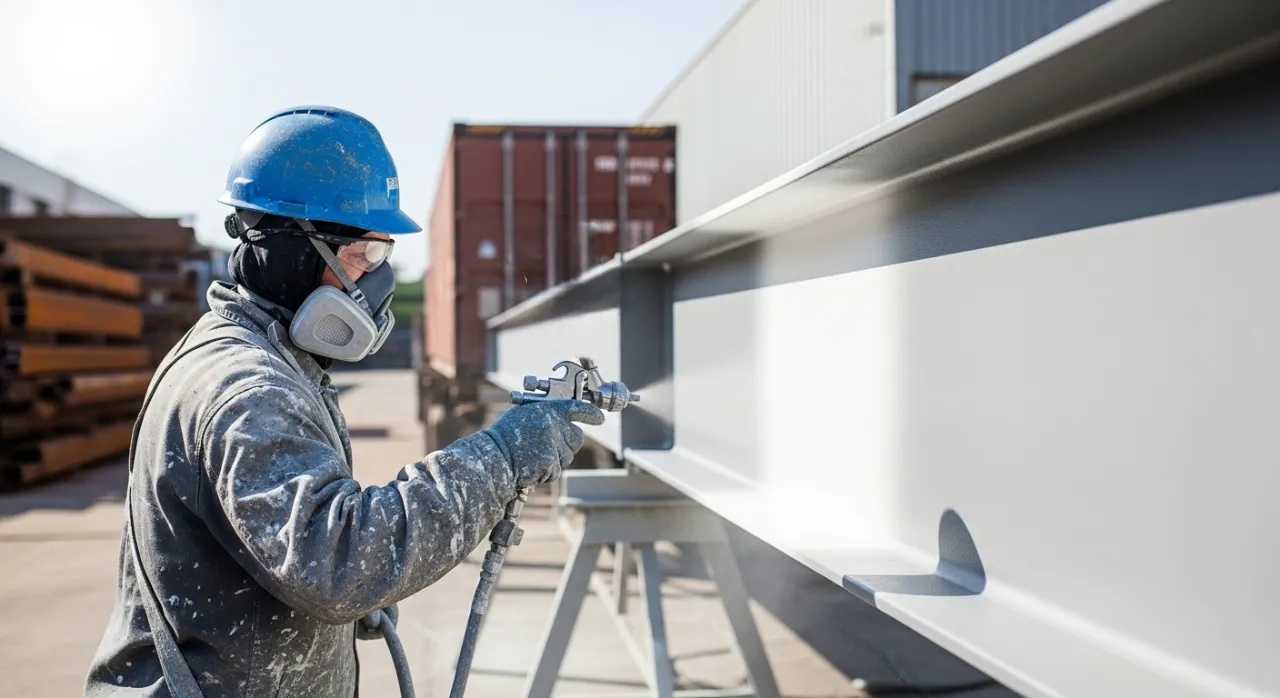
How Thermal Barrier Coatings Improve Fire Safety
Thermal barrier coatings are designed to react under high heat. Once exposed to fire, many coatings expand and form a char layer that insulates the foam beneath.
According to guidance published by the International Code Council, approved thermal barriers must provide at least a 15-minute fire-resistance rating, giving occupants more time to exit safely.
Slows Flame Spread During a Fire
One of the biggest risks with exposed spray foam is rapid flame spread. Thermal barrier coatings help control this risk.
- They limit oxygen exposure to the foam
- They slow down flame and travel across surfaces
- They reduce the chance of flashover in enclosed areas
This added time can make a real difference for families and first responders.
Reduces Smoke and Toxic Gas Release
When insulation burns without protection, it can release dense smoke and harmful gases. Thermal barrier coatings help reduce this danger.
Fire safety research summarized by the National Fire Protection Association shows that smoke inhalation is the leading cause of fire-related injuries. Slowing smoke development improves survival rates and visibility during evacuation.
Code Compliance for Homes and Commercial Buildings
Building codes exist to protect people, not just structures. In most residential and commercial applications, exposed spray foam must be covered by a thermal barrier.
Helps Meet Building and Fire Codes
Thermal barrier coatings help properties comply with:
- International Residential Code (IRC)
- International Building Code (IBC)
- Local Montana fire safety requirements
Using the right coating avoids failed inspections, delays, or costly rework.
Ideal for Hard-to-Finish Areas
Some spaces are difficult to cover with drywall or rigid barriers. Thermal barrier coatings are often approved alternatives.
Common applications include:
- Crawl spaces and attics
- Pole barns and workshops
- Mechanical rooms and basements
Improves Overall Building Durability
Fire protection is the main goal, but thermal barrier coatings also improve durability.
Protects Spray Foam From Damage
The coating adds a tough outer layer that helps protect insulation from:
- Minor impacts
- Moisture exposure
- Wear in utility or storage areas
This helps extend the lifespan of the insulation system.
Maintains Energy Performance
Spray foam insulation already reduces heat loss. Thermal barrier coatings do not reduce its effectiveness.
Data shared by the U.S. Department of Energy’s insulation guidance confirms that properly protected insulation maintains thermal performance while improving safety.
Cost vs. Safety: A Practical Comparison
Below is a simple comparison for Libby-area property owners.
|
Feature |
No Thermal Barrier |
Thermal Barrier Coating |
|---|---|---|
|
Fire resistance |
Low |
High |
|
Code compliance |
Often fails |
Typically passes |
|
Smoke control |
Poor |
Improved |
|
Long-term safety |
Limited |
Strong |
|
Retrofit friendly |
No |
Yes |
While coatings add upfront cost, they often save money by preventing code violations and improving safety without major renovations.
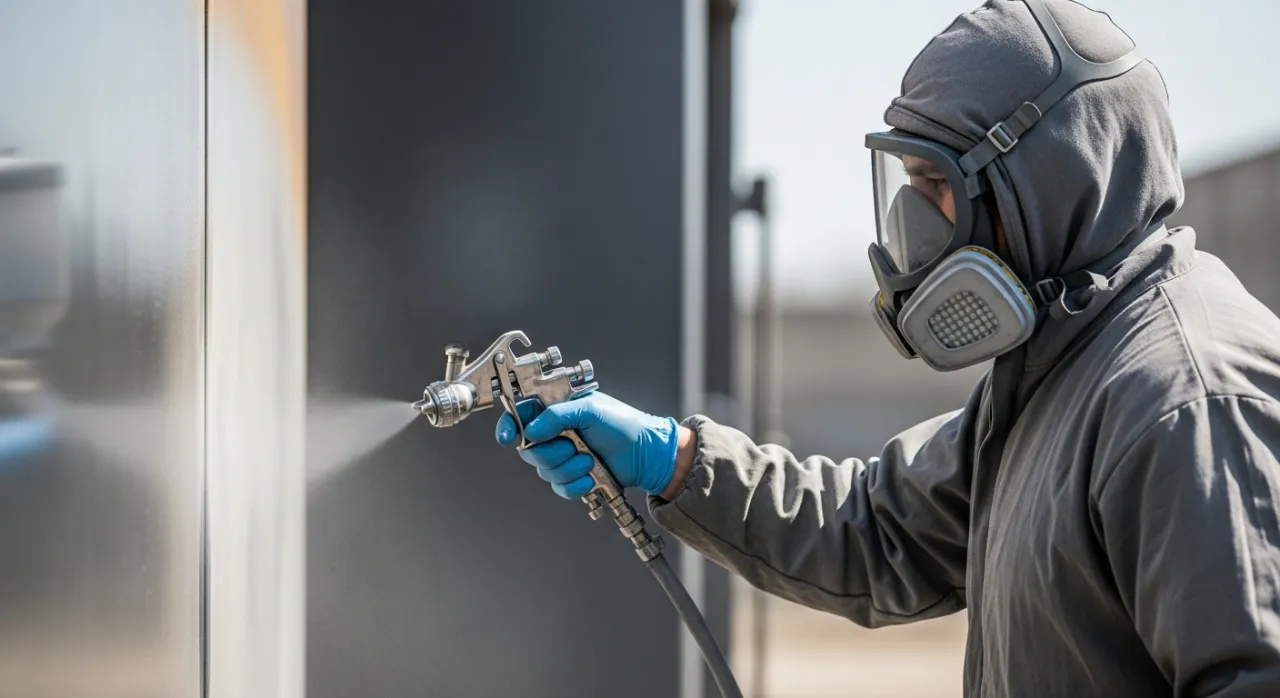
When Should You Consider a Thermal Barrier Coating?
You should strongly consider one if:
- Spray foam insulation is exposed
- The space is occupied or accessible
- You’re selling, remodeling, or building new
- A fire inspector flagged insulation concerns
Professional evaluation ensures the right product and thickness are used for your specific application.
Why Professional Installation Matters
Not all coatings are the same. Coverage rates, thickness, and product approvals vary.
An experienced contractor ensures:
- Proper surface prep
- Correct application thickness
- Documentation for inspections
This reduces liability and increases long-term protection.
Conclusion: A Safer Property Starts With the Right Protection
Thermal barrier coatings are a smart safety upgrade for Libby, MT, properties using spray foam insulation. They slow fire spread, reduce smoke, help meet code, and protect your investment.
If you want to improve fire safety without major construction, this insulation solution delivers real value.
Talk to a local expert today:
Email: anthony@wegnerinsulation.com
Call: (406) 607-8476
Frequently Asked Questions
Do thermal barrier coatings replace drywall?
In some approved applications, yes. Always verify with local code officials.
Are thermal barrier coatings required by code?
Most building codes require a 15-minute thermal barrier over spray foam in occupied spaces.
Can coatings be applied over existing insulation?
Yes, if the insulation is in good condition and properly prepared.
Do these coatings affect indoor air quality?
Once cured, approved coatings are safe and stable.
How long do thermal barrier coatings last?
When professionally applied, they often last as long as the insulation itself.
Are they suitable for cold climates like Libby, MT?
Yes. They perform well in cold climates when applied correctly.
Author: Richard Hall is a construction professional specializing in spray foam insulation. He completed extensive industry training and certifications before starting his own company in 2022.
Reviewer: Alexander Davis has 11 years of hands-on experience in spray foam application. His review helped ensure this content addresses real-world residential and commercial needs.

