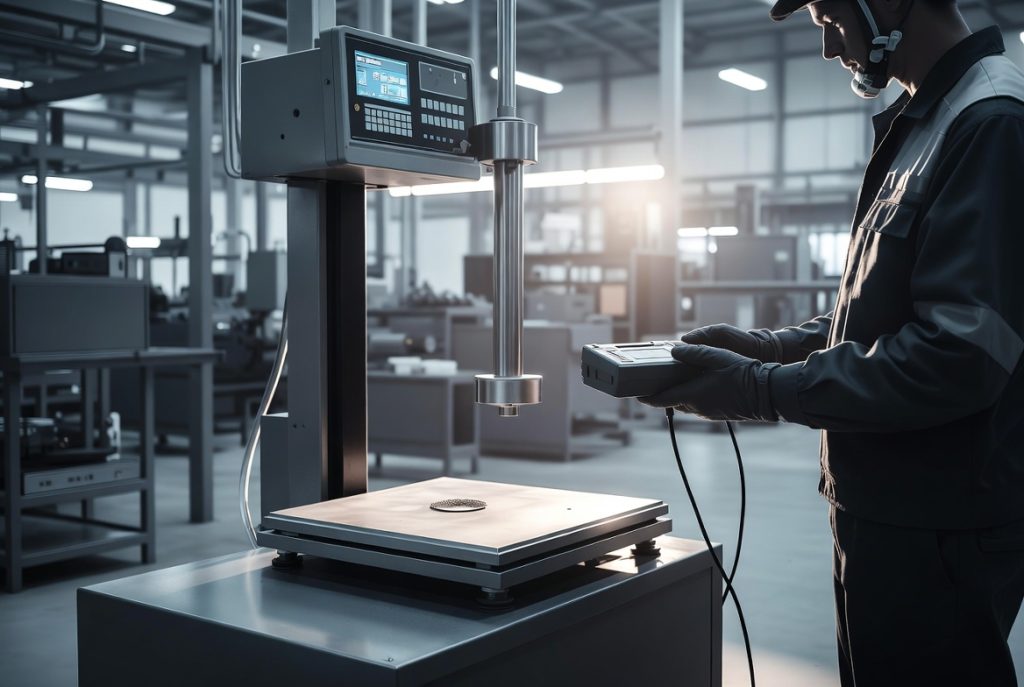
Welding is a highly skilled process used to join materials, typically metals, by applying heat and pressure. Whether you’re a professional welder or a hobbyist, having the right welding equipment is essential for achieving precise and strong welds. The right tools not only make the job easier but also ensure safety and durability. In this blog, we’ll explore the key types of welding equipment, their uses, and why they are vital for success in welding projects.
Why Is Welding Equipment Important?
Welding is used across a variety of industries, from construction and automotive to aerospace and manufacturing. It’s essential for creating strong, long-lasting bonds between metals, and having the right tools makes a significant difference in the quality and efficiency of the work. Quality welding equipment helps:
-
Ensure Precision: Proper tools allow for accurate welds that are strong and clean.
-
Increase Safety: Welding can be dangerous if not done correctly. The right equipment protects welders from hazards like heat, sparks, and fumes.
-
Improve Efficiency: Having the right tools makes the process quicker and reduces the chances of mistakes.
Types of Welding Equipment
-
Welding Machines (Welders)
The most critical piece of welding equipment is the welding machine itself. There are several types of welding machines, each suited for specific applications:
-
MIG Welders (Metal Inert Gas): MIG welding is one of the most common welding methods used for both professional and DIY projects. MIG welders use a spool of wire fed through a welding gun, melting as it hits the metal. It’s great for welding thin materials and is known for being easy to learn and use.
-
TIG Welders (Tungsten Inert Gas): TIG welding is used for more intricate and precise work. A tungsten electrode is used to create the arc, while a filler rod is manually fed into the weld pool. TIG welding is ideal for welding thinner materials, aluminum, and stainless steel and is commonly used in aerospace and automotive industries.
-
Stick Welders (Arc Welding): Stick welding is a versatile and widely used method. It involves a consumable electrode that is coated to help shield the weld from impurities. It’s ideal for outdoor work and welding thicker metals. Stick welding is also great for rough conditions, making it a popular choice for construction sites.
-
Welding Rods and Filler Materials
Welding rods and filler materials are essential components in the welding process. They are used to fill the joint between two pieces of metal and ensure the weld is strong and durable. There are several types of filler materials, each suitable for different welding methods:
-
MIG Welding Wire: For MIG welding, you’ll need a spool of wire that is fed through the welding gun. This wire acts as both the electrode and filler material. It’s available in different thicknesses and alloys, depending on the materials being welded.
-
TIG Filler Rods: In TIG welding, a separate filler rod is manually fed into the weld pool. The choice of filler rod depends on the material being welded, such as aluminum, steel, or stainless steel.
-
Stick Electrodes: For stick welding, the electrode is coated with flux that protects the weld from contaminants. These electrodes are designed for different metals and provide a strong, reliable weld.
-
Welding Helmets and Safety Gear
Safety is paramount when it comes to welding, as the process involves intense heat, ultraviolet (UV) light, and flying sparks. Here are some essential safety gear items:
-
Welding Helmet: The welding helmet protects your face and eyes from harmful UV rays and sparks. Modern helmets often feature auto-darkening lenses, which automatically adjust to the brightness of the arc to protect your eyes during the welding process.
-
Welding Gloves: Heavy-duty gloves are essential for protecting your hands from heat, sparks, and molten metal. Look for gloves that provide both dexterity and heat resistance.
-
Welding Jackets and Aprons: Protective clothing is essential to shield your skin from hot sparks and molten metal. Leather jackets and aprons are commonly used, as they provide durability and protection.
-
Respirators or Fume Extractors: Welding can release hazardous fumes, especially when working with certain materials like galvanized steel or aluminum. Respirators or fume extractors help protect your lungs from inhaling harmful chemicals.
-
Welding Clamps and Fixtures
Welding clamps and fixtures are used to hold the materials in place while welding. This ensures the proper alignment and positioning of the parts, which is crucial for producing accurate and strong welds.
-
C-Clamps: Used to secure metal pieces to a workbench or fixture, C-clamps are adjustable and can hold a variety of material thicknesses.
-
Magnetic Clamps: These clamps use magnets to securely hold materials at the correct angle for welding. They are especially useful for corner and pipe welds.
-
Welding Jigs: Custom-made jigs and fixtures are used to hold pieces in place for precise and repeatable welds. These are commonly used in industrial applications where consistency is crucial.
-
Cutting Equipment
Before welding, you may need to cut materials to size, shape, or fit. Cutting tools used in welding include:
-
Plasma Cutters: Plasma cutters use a jet of ionized gas to cut through metal. They provide a clean, precise cut and are great for cutting thicker materials.
-
Oxy-Acetylene Torches: Oxy-acetylene torches are versatile tools that can be used for both cutting and welding. They generate a high-temperature flame capable of cutting through metals.
-
Angle Grinders: Angle grinders are commonly used for cleaning up the edges of welded joints and grinding down imperfections.
-
Welding Wire Feeders
Wire feeders are used in MIG welding to automatically feed the welding wire into the weld pool. They are crucial for providing a continuous supply of wire, making the process more efficient and less labor-intensive.
Choosing the Right Welding Equipment
When selecting welding equipment, there are several factors to consider:
-
Material Type: Different welding methods work better with different materials. MIG welding is ideal for thin metals, while stick welding is better suited for thicker metals and outdoor work.
-
Project Size: For small-scale projects, portable welders may be sufficient. For large industrial tasks, larger, more powerful machines are necessary.
-
Skill Level: MIG welding is often the best choice for beginners due to its simplicity. TIG welding, while offering more control and precision, requires greater skill and experience.
-
Budget: High-quality equipment can be an investment, but it’s important to choose tools that offer good value for the price. Remember that the right equipment can significantly improve the quality and speed of your work.
Conclusion
Welding equipment is essential for creating strong, reliable welds in a wide variety of industries. Whether you’re working on a small DIY project or handling large-scale industrial tasks, the right tools are crucial for ensuring safety, precision, and efficiency. From welding machines and filler materials to safety gear and cutting tools, each piece of equipment serves a vital role in the welding process.
Investing in quality welding equipment and understanding how to use it effectively will not only improve the quality of your work but also keep you safe and productive. What welding projects are you working on? Share your experiences and equipment tips in the comments!