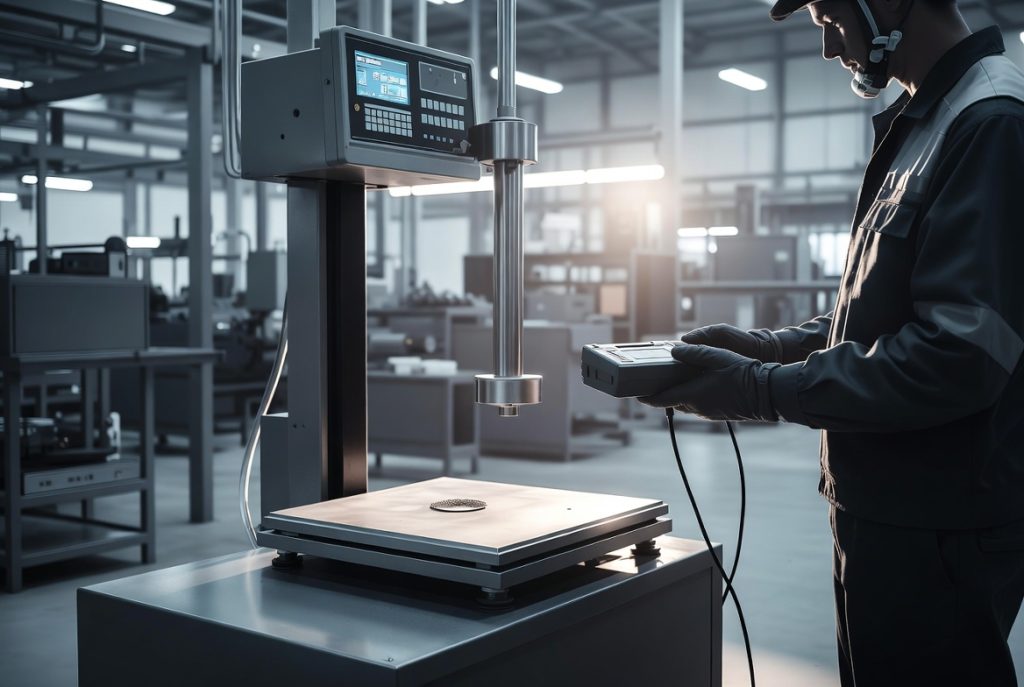
What Is a Laser Metal Cleaner?
A laser metal cleaner is an innovative tool that uses laser ablation to remove rust, paint, oxides, oil, and other contaminants from metal surfaces—without damaging the base material. Unlike abrasive blasting or chemical methods, laser cleaning is non-contact, eco-friendly, and precisely controlled, making it ideal for both industrial and delicate applications.
Why Industries Are Shifting to Laser Cleaning Systems
Laser metal cleaning systems are rapidly replacing traditional methods for one simple reason: efficiency and safety. From aerospace to manufacturing, sectors are adopting this technology to streamline their surface preparation and maintenance workflows.
Key Advantages:
-
Non-abrasive: No harm to base materials.
-
Environmentally safe: No chemicals or secondary waste.
-
Precision-targeted: Ideal for micro-level cleaning.
-
Low maintenance: Minimal consumables required.
-
Long lifespan: Lasers can last up to 100,000 hours.
Applications of Laser Metal Cleaners
| Industry | Common Use Cases |
|---|---|
| Aerospace | Paint stripping on aircraft panels |
| Automotive | Rust removal from body parts |
| Oil & Gas | Degreasing and descaling of pipelines |
| Heritage/Art | Restoration of bronze and copper sculptures |
| Electronics | Pre-weld cleaning of sensitive components |
Laser cleaners are used where precision and cleanliness are mission-critical. They’re especially popular in pre-weld surface prep, post-weld treatment, and restoration projects.
How Laser Metal Cleaning Works: A Breakdown
The process uses a high-energy laser beam focused on a metal surface. This beam vaporizes surface contaminants through a rapid heating process called laser ablation. The energy is absorbed by the contaminant layer, which is either vaporized or blown away by the force of the beam.
Steps Involved:
-
Targeting – A scanning system or handheld unit aims the laser.
-
Ablation – Contaminants are vaporized with minimal heat diffusion.
-
Removal – Residue is displaced or collected using vacuum systems.
Types of Laser Metal Cleaners
| Type | Features | Best Use Case |
|---|---|---|
| Fiber Laser | High beam quality, long lifespan | Industrial heavy-duty cleaning |
| CO₂ Laser | Great for non-metallic surfaces | Plastic or organic residue removal |
| Pulsed Laser | Controlled energy bursts for delicate surfaces | Precision parts or heritage items |
| Continuous Wave | High-speed cleaning, less control | Bulk material removal |
Factors to Consider Before Buying
Choosing the right laser metal cleaner involves assessing several factors:
-
Power Output: 20W–1000W options for different depths.
-
Portability: Handheld vs. fixed system.
-
Cooling System: Air or water-cooled units.
-
Pulse Frequency: Affects precision and efficiency.
-
Safety Features: Laser enclosures, sensors, emergency stops.
Expert Tips for Using a Laser Cleaner Safely
-
Wear certified laser safety goggles.
-
Ensure ventilation in enclosed spaces.
-
Train operators thoroughly.
-
Use correct power settings to avoid damaging the substrate.
Note: Laser Class IV devices require professional operation and compliance with safety standards such as ANSI Z136.
Laser Metal Cleaner FAQs
Q: Can a laser cleaner remove heavy rust?
Yes, high-powered fiber lasers can effectively remove deep rust from steel, iron, and alloy components.
Q: Is it safe for sensitive parts?
Pulsed lasers are designed for delicate work and offer precision without substrate damage.
Q: How fast does it clean?
Cleaning rates vary by wattage—typically, a 1000W laser can clean up to 15-20 sq. meters/hour.
Q: What maintenance does a laser cleaner need?
Minimal. Regular checks on optics, filters, and cooling systems are sufficient for longevity.
Q: Does it work on painted surfaces?
Absolutely. It can strip paint cleanly, leaving the metal surface intact for recoating or welding.
Real-World Experience from Industry Users
Manufacturing Plant Supervisor – Ohio:
“We replaced all sandblasting stations with 500W laser cleaners. Our throughput improved by 35%, and we’ve eliminated hazardous waste handling entirely.”
Conservation Expert – Italy:
“Using a 100W pulsed laser, we restored antique bronze statues without chemical exposure. The results were precise and respectful of the original material.”
Final Thought
Laser metal cleaning isn’t just a tool—it’s a transformation in how we maintain, restore, and prepare metal surfaces. Whether you’re in heavy industry or fine art restoration, this technology offers unmatched precision, safety, and sustainability.