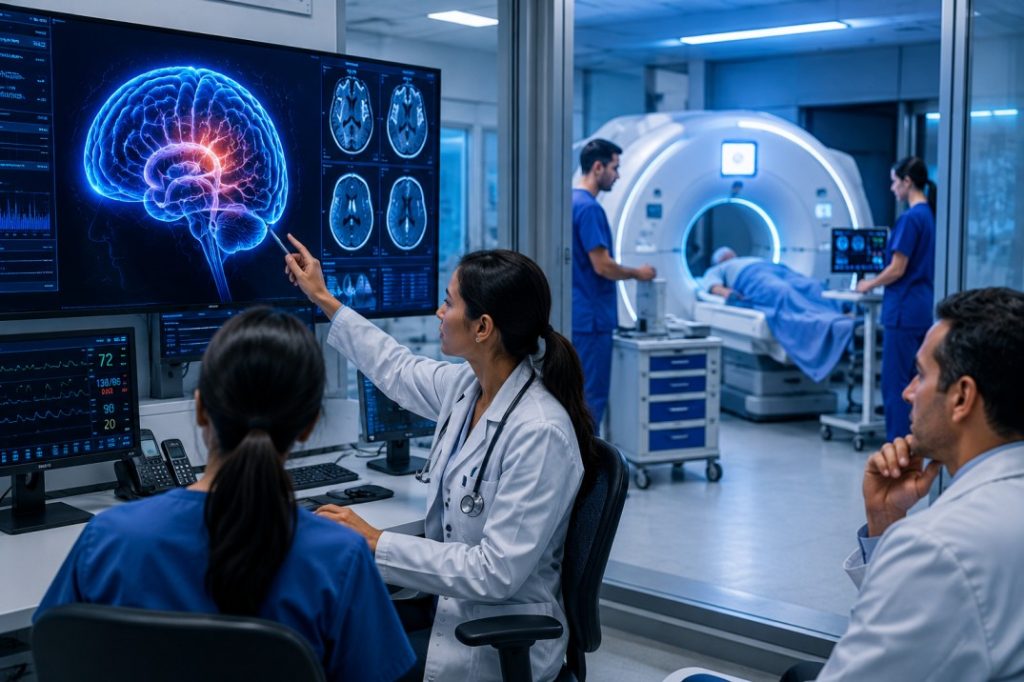
In the fast-paced world of emergency medicine, efficiency and accuracy are not just important — they are critical. Physicians must juggle patient care, administrative responsibilities, and detailed record-keeping, all while making split-second decisions. One key player helping streamline this demanding environment is the medical scribe.
Medical scribes are trained professionals who assist doctors by documenting patient encounters in real time. They allow physicians to focus more on patient care and less on clerical duties, which can dramatically improve the quality of service in an emergency department (ED). In recent years, the evolution of virtual medical scribe solutions and medical dictation services has further expanded how scribes support emergency medicine teams.
What Does a Medical Scribe Do?
At its core, a medical scribe’s role is to accompany a physician during patient consultations, either physically or virtually, and accurately record the details of the visit. This includes noting the patient’s history, the doctor’s observations, diagnostic test results, and the treatment plan. Essentially, the scribe creates a comprehensive medical record that would otherwise have to be written by the physician after the encounter.
The presence of a scribe in the emergency department allows doctors to spend more time with patients, resulting in better communication, improved care outcomes, and higher patient satisfaction. Moreover, it reduces physician burnout, a growing concern in emergency medicine, by lessening the heavy load of administrative work.
The Rise of Virtual Medical Scribe Solutions
Traditionally, medical scribes worked onsite, moving room to room with the physicians. However, with advancements in technology, virtual medical scribe solutions have become increasingly popular, especially after the COVID-19 pandemic accelerated the adoption of remote healthcare tools.
Virtual scribes work from a different location, often connected via secure video or audio feeds. They listen to the physician-patient interaction and document everything remotely. This setup offers several advantages:
-
Cost-Effectiveness: Virtual services often cost less than hiring onsite staff.
-
Flexibility: Scribes can work from different time zones, ensuring 24/7 coverage if needed.
-
Reduced Infection Risk: Remote work limits physical interactions, an important consideration in medical environments.
Virtual medical scribe solutions also offer scalability, making it easier for hospitals and clinics to manage peak times without the logistical challenges of staffing onsite personnel.
Medical Dictation Services: Another Piece of the Puzzle
Another technology complementing the work of medical scribes is medical dictation services. These services allow doctors to verbally record patient information, diagnoses, and treatment plans, which are then transcribed into written medical records.
While dictation has been around for decades, today’s systems are much more sophisticated. Many services now use advanced speech recognition technology combined with human editing to ensure exceptional accuracy. Some even integrate directly into electronic health record (EHR) systems, streamlining the documentation process even further.
Medical dictation services are particularly useful in emergency medicine settings where speed is essential. Instead of sitting down to type notes, physicians can quickly dictate their observations and move on to the next patient. This keeps the workflow moving and ensures that critical details are captured without delay.
How Medical Scribes, Virtual Solutions, and Dictation Work Together
In many modern emergency departments, a hybrid approach is used. Physicians may use virtual medical scribe solutions during peak hours while relying on medical dictation services during slower periods. Some systems even incorporate artificial intelligence to suggest documentation templates or flag missing information, helping scribes and physicians maintain high-quality records.
The collaboration between human scribes, virtual tools, and dictation technologies is reshaping emergency medicine documentation. Hospitals that invest in these systems often see improvements in physician satisfaction, patient throughput, and even revenue, thanks to better documentation of billing codes and procedures.
Conclusion
The role of the medical scribe in emergency medicine has evolved beyond simple note-taking. Today, with the help of virtual medical scribe solutions and medical dictation services, scribes are at the forefront of making emergency departments more efficient, accurate, and patient-centered. As technology continues to advance, we can expect even more innovative solutions that will further empower healthcare providers and improve patient care.
Ultimately, whether in person or through a virtual connection, the medical scribe remains an essential ally in the high-stakes environment of emergency medicine.