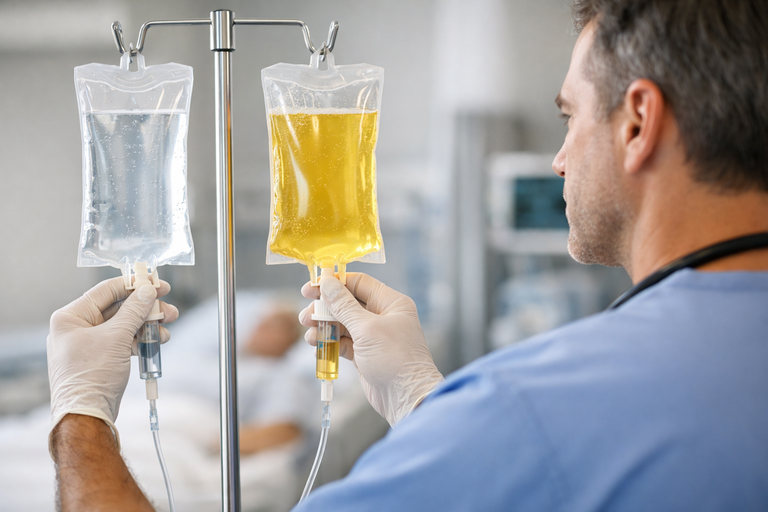
For couples and individuals considering fertility treatment, one of the first questions that typically comes up is: How many injections for IVF treatment will I need? The idea of daily needles can feel intimidating, especially if you’re new to medical injections. Fortunately, once you understand the purpose behind each medication — and what the schedule really looks like — the process becomes much less overwhelming.
This article breaks down the injection timeline, types of medications, the science behind the process, and helpful strategies to stay confident throughout your journey.
Why IVF Requires Injectable Medications
In a natural menstrual cycle, just one egg matures inside the ovary. But for IVF to be successful, fertility specialists aim to develop multiple healthy eggs in a single cycle. This increases the chances of creating viable embryos.
Injectable medications:
-
Stimulate the ovaries to grow several follicles
-
Prevent early ovulation
-
Support optimal egg maturation
-
Strengthen the endometrium after transfer
Most of these hormones are most effective when delivered directly into the bloodstream, making injections the preferred method.
Average Number of IVF Injections
The number of IVF injections varies based on:
-
Age
-
Ovarian reserve
-
Hormone levels
-
Your doctor’s protocol
-
How your body responds
However, most patients can expect 20 to 60 injections per IVF cycle.
This range is the primary reason many people search — how many injections for IVF treatment — because the actual count can differ widely between individuals.
Medication Phases During IVF
IVF typically includes four main injection phases. Here’s how each one contributes to the process.
1. Ovarian Stimulation (Primary Injection Phase)
Duration: 8–12 days
Injections per day: 1–2
This is the most injection-heavy stage. Medications such as Menopur, Gonal-F, or Follistim encourage multiple follicles to develop.
During this phase, you’ll attend monitoring appointments to check follicle size and estrogen levels. Your dose may change depending on how you respond.
Average injections: 8–24
2. Ovulation Suppression Medications
To prevent the eggs from releasing too early, clinics introduce medications such as Cetrotide or Ganirelix. These injections typically begin halfway through stimulation.
Duration: 4–6 days
Average injections: 4–6
3. Trigger Shot
When follicles reach the right size, you will be instructed to administer a trigger shot, usually containing hCG or Lupron. This shot ensures final maturation of the eggs before retrieval.
Average injections: 1
Timing is extremely precise — usually 34–36 hours before egg retrieval.
4. Progesterone Support After Transfer
After embryo transfer, progesterone supports the uterine lining and encourages implantation.
It may be injected or administered vaginally. If your clinic prescribes injections, be prepared for:
Duration: 2–4 weeks
Average injections: 14–30
Intramuscular progesterone can be more painful, but many patients tolerate it well with proper technique.
Injection Count Summary
| Stage | Approximate Injections |
|---|---|
| Ovarian stimulation | 8–24 |
| Ovulation suppression | 4–6 |
| Trigger shot | 1 |
| Progesterone support | 14–30 |
Total: 27–61 injections
This is the most accurate general estimate when you ask how many injections for IVF treatment.
Why the Count Varies
Every reproductive system is unique. Injection quantity depends on:
-
Age (older patients often need longer stimulation)
-
Ovarian reserve (low AMH may require more)
-
Response rate from previous cycles
-
Medication type
-
Clinic protocol
Your doctor adjusts your plan based on ultrasound results and bloodwork.
Different IVF Protocols Impact Injection Amount
Long Protocol
Requires more medications, often more injections.
Antagonist Protocol
Shorter duration with slightly fewer injections.
Mini (Mild) IVF
Uses lower doses — ideal for low ovarian reserve or those seeking reduced medication exposure.
Knowing your protocol will help you predict how many injections for IVF treatment you may need.
Do IVF Injections Hurt?
Most IVF injections are subcutaneous (under the skin) using fine needles. Patients often compare them to a small pinch. Some may cause mild burning.
Progesterone is intramuscular, requiring a longer needle. Warm compresses and massage help minimize discomfort.
After just a few days, most patients feel surprisingly comfortable with self-administration.
Managing Injection Anxiety
If the thought of daily needles makes you nervous, try:
✅ Breathing exercises
✅ Listening to calming music
✅ Allowing a partner to assist
✅ Practicing mindfulness
✅ Using ice or numbing cream
Many clinics offer training sessions, and after your first few injections, confidence grows quickly.
Who Administers IVF Injections?
Surprisingly, most patients self-inject. Couples often take turns. Some people visit nurses for progesterone shots.
Supportive partners can make a huge difference emotionally.
What Happens If You Miss a Dose?
Call your clinic immediately.
Do not attempt to double-inject unless instructed. Mistiming medications can impact:
-
Egg growth
-
Ovulation timing
-
Retrieval success
Timing is essential in IVF.
Can IVF Be Done Without Injections?
Some clinics offer oral-based mild stimulation cycles, but these:
-
Yield fewer eggs
-
Can require more cycles
-
Often lower overall success
For the highest chance of pregnancy, injections remain the gold standard.
How Many IVF Cycles Are Typically Needed?
Although some patients become pregnant after one cycle, many require:
-
2–3 attempts
This multiplies injection totals — which is why patients commonly research how many injections for IVF treatment before beginning.
Side Effects During Injection Phases
Possible symptoms include:
-
Bloating
-
Tender breasts
-
Mood changes
-
Injection site soreness
Severe symptoms are rare but warrant immediate contact with your doctor.
When to Contact Your Clinic
You should call if you experience:
-
Intense abdominal pain
-
Difficulty breathing
-
Rapid weight gain
-
Unusual swelling
These can signal ovarian hyperstimulation syndrome (OHSS).
Emotional Support Matters
Hormonal injections can influence:
-
Anxiety
-
Irritability
-
Tearfulness
Consider:
-
Support groups
-
Therapy
-
Journaling
-
Open communication
IVF is both physically and mentally demanding.
Tips for Staying Organized
IVF medication schedules can feel complicated. Use:
📅 Medication charts
⏰ Phone alarms
🧊 Pre-loaded syringes (if allowed)
📍 Written clinic instructions
Staying organized prevents unnecessary stress.
The Good News
Despite the fear surrounding injections:
-
Most patients adapt quickly
-
Many describe injections as manageable
-
Success rates continue improving with modern protocols
When asked how many injections for IVF treatment they would do again, many patients say: as many as needed for the chance at a baby.
Final Thoughts
To recap:
-
Most IVF cycles involve 27–61 injections
-
Daily injections typically last 8–12 days
-
Progesterone can continue for weeks
-
Injection numbers vary depending on how your body responds
Remember: The temporary discomfort of injections could lead to lifelong joy. With medical guidance, consistent support, and personal determination, many patients find the process more manageable than expected.