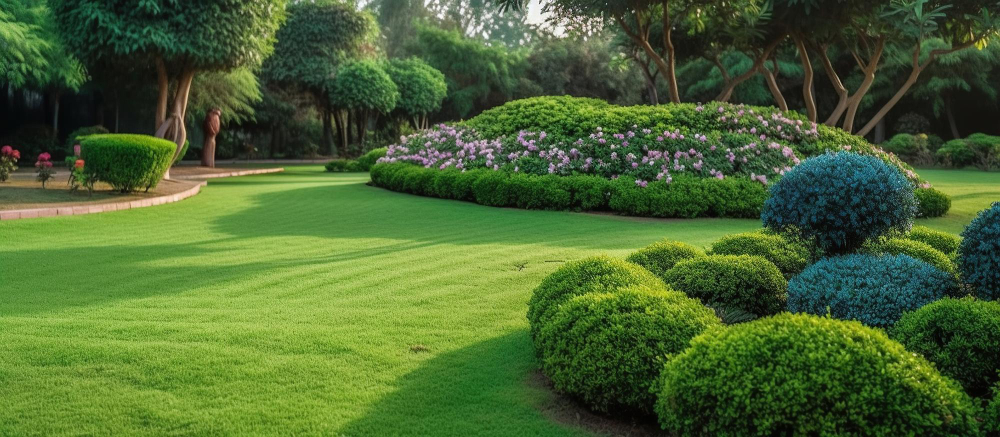
A well-designed house drainage system is crucial for maintaining the integrity of your home. It prevents water from seeping into your foundation, protects your landscaping, and ensures proper water management. In this guide, we’ll walk you through the essentials of house drainage systems, their components, and the importance of effective solutions for every homeowner.
Why is a House Drainage System Important?
Your house drainage system serves as the first line of defense against water damage. Without an efficient system, rainwater and runoff can accumulate around your property, leading to structural damage, mold growth, and erosion. A well-maintained drainage system keeps your home dry, safe, and comfortable.
Types of Water Drainage Solutions for Homes
When it comes to managing water around your home, there are several water drainage solutions to consider. Each system addresses specific challenges and is designed to handle varying levels of water flow.
1. Surface Drainage
Surface drainage involves the use of channels, ditches, or sloped surfaces to redirect water away from your property. This solution is ideal for properties that experience pooling during heavy rains.
2. Subsurface Drainage
Subsurface drainage systems, such as French drains, are designed to remove water that collects below the surface. These systems use perforated pipes buried underground to redirect water away from your home’s foundation.
3. Downspout Extensions
Downspout extensions are an affordable way to divert water from your roof to a safe distance from your house. They prevent water from accumulating near the foundation.
4. Sump Pumps
Sump pumps are critical for homes with basements or areas prone to flooding. They remove water that collects in a sump pit and pump it away from the house.
Components of a House Drainage System
A complete house drainage system comprises several components that work together to manage water effectively.
Gutters and Downspouts
These collect rainwater from the roof and direct it away from the house.
Perimeter Drains
Also known as foundation drains, these systems prevent water from seeping into the foundation.
Drainage Pipes
Pipes transport water to designated drainage areas, such as storm drains or retention basins.
Catch Basins
Catch basins collect debris and water from surface runoff, preventing blockages in the system.
Exploring Landscape Drainage Solutions
Outdoor spaces like gardens, lawns, and patios require specialized landscape drainage solutions to handle excess water. Here are some popular options:
1. French Drains
French drains are versatile and effective for managing water in gardens or near retaining walls. They prevent waterlogging and soil erosion.
2. Swales
Swales are shallow channels lined with vegetation. They slow down water flow, allowing it to infiltrate the soil gradually.
3. Rain Gardens
Rain gardens are landscaped areas designed to collect and absorb rainwater. They are both functional and visually appealing.
4. Permeable Paving
Permeable paving materials allow water to seep through, reducing surface runoff and replenishing groundwater.
Benefits of House Drainage Solutions
Investing in reliable house drainage solutions offers numerous advantages:
- Foundation Protection: Prevents structural damage caused by water infiltration.
- Erosion Control: Keeps soil intact and prevents landscape degradation.
- Healthier Living Environment: Reduces the risk of mold and mildew growth indoors.
- Enhanced Property Value: A well-maintained drainage system adds to the value of your home.
Signs You Need a Better Drainage System
Not sure if your current drainage system is adequate? Look for these signs:
- Persistent puddles around your home after rain.
- Water stains or damp spots in the basement.
- Soil erosion near your foundation.
- Overflowing gutters or downspouts.
- Cracks in your home’s foundation.
If you notice any of these issues, it’s time to upgrade your drainage system.
DIY Tips for Maintaining Your House Drainage System
Regular maintenance is essential for keeping your house drainage system in top condition. Here are some simple tips:
- Clean Gutters: Remove leaves and debris to prevent clogs.
- Check Downspouts: Ensure water flows freely and is directed away from the foundation.
- Inspect Pipes: Look for leaks or damage in underground drainage pipes.
- Test Sump Pumps: Make sure they are operational before heavy rains.
- Monitor Landscaping: Ensure plants and soil are not obstructing drainage paths.
Professional Drainage Services
While some maintenance tasks can be done on your own, hiring professional drainage services ensures that your system is functioning optimally. Professionals can:
- Assess your property for drainage issues.
- Recommend the best solutions for your specific needs.
- Handle complex installations, such as French drains or sump pumps.
Green Vision: Sustainable Water Management for Modern Homes
Incorporating sustainable water management practices into your drainage system is a smart choice for environmentally conscious homeowners. Options like rain gardens, rain barrels, and permeable pavers not only manage water effectively but also promote eco-friendly living. Pairing these systems with a greenhouse can further enhance your efforts by conserving water and supporting sustainable gardening practices.
Conclusion
A robust house drainage system is the foundation of a safe, dry, and functional home. By exploring various water drainage solutions and implementing the right landscape drainage solutions, you can protect your property from water damage and enhance its value. Don’t forget the importance of regular maintenance and sustainable practices, such as integrating water sprinklers, to create a holistic water management strategy. With the right approach, you can ensure your home remains a haven, no matter the weather.
FAQs
1. What is the purpose of a house drainage system?
A house drainage system protects your home from water damage by directing rainwater and runoff away from the foundation and other vulnerable areas.
2. How do I know if my property needs better drainage solutions?
Look for signs like standing water, damp basements, soil erosion, or overflowing gutters.
3. Can I install a drainage system on my own?
While simple tasks like cleaning gutters can be done DIY, installing systems like French drains or sump pumps may require professional help.
4. Are landscape drainage solutions expensive?
Costs vary based on the system. Basic options like gravel trenches are affordable, while advanced systems like rain gardens may require a higher investment.
5. How can I make my drainage system more sustainable?
Incorporate eco-friendly options like rain gardens, permeable pavers, and rainwater harvesting systems to manage water sustainably.