Forceps are one of the most essential tools in the field of surgery. Their versatility and precision make them indispensable not only in operating rooms but also in various other medical procedures. Whether you’re a budding medical professional, a curious patient, or someone simply wanting to learn about surgical instruments, understanding what forceps are and their role in the medical world can enhance your appreciation of modern healthcare practices.
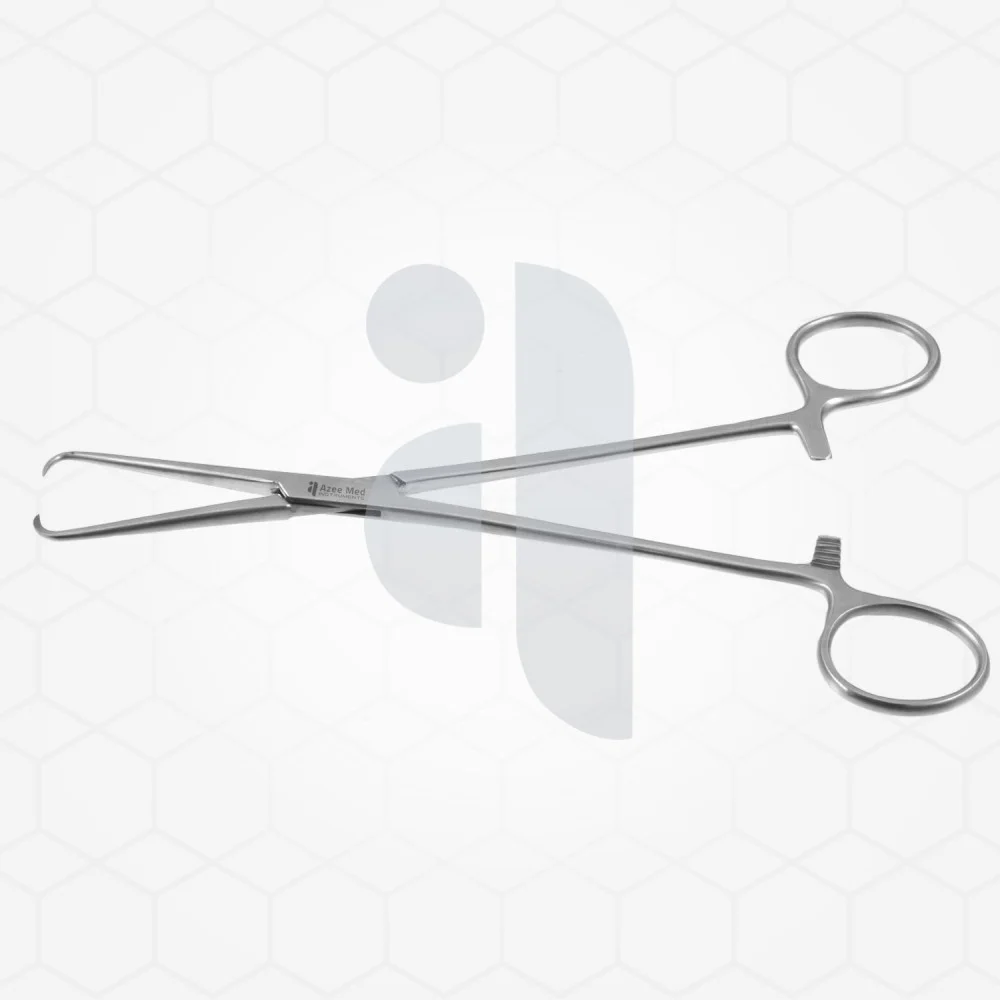
What Are Forceps?
Forceps are handheld instruments designed to grasp, hold, or manipulate tissue and other materials during surgical procedures. They resemble a pair of tweezers or scissors but come in various designs to suit specific medical needs. What sets forceps apart is their ability to provide a firm grip while minimizing trauma to delicate tissues. This characteristic makes them crucial for procedures that require precision and care.
Made from high-quality stainless steel, forceps are crafted to endure the rigors of sterilization and repeated use. They are available in both reusable and disposable options, catering to different surgical environments and preferences. Regardless of the type, their primary goal remains the same—to aid surgeons in performing precise, effective work during operations.
Types of Forceps
Forceps come in many forms, each tailored to the requirements of specific surgical specialties and procedures. For example, surgical forceps can be broadly categorized into grasping forceps and hemostatic forceps. Grasping forceps, as the name suggests, are designed to hold or secure tissues, while hemostatic forceps are primarily used to control bleeding by compressing blood vessels.
Within these categories, there are further subdivisions. Thumb forceps, for instance, are commonly used to hold and manipulate tissue without causing undue harm. These are often used in non-invasive procedures requiring a gentle touch. Clamping forceps, on the other hand, are used to deeply grip or clamp off areas, especially when managing bleeding or closing off vessels. Other types include specialized instruments like obstetric forceps used in childbirth and dental forceps specifically engineered for oral surgeries. Each type is crafted with a purpose, ensuring maximum efficiency and safety.
Uses of Forceps in Surgery
Surgical forceps play a critical role in a wide array of medical procedures. Surgeons rely on these instruments for tasks requiring a secure grip, such as holding onto tissues that need to be sutured or moving organs delicately out of the way. They can also be used to remove foreign objects lodged in the body, from glass shards to deeply embedded surgical materials.
Forceps are also vital for controlling bleeding during surgery. Hemostatic forceps are specifically designed to clamp blood vessels and seal them off, reducing the risk of excessive blood loss. This is especially critical in major surgeries where even a slight delay in controlling hemorrhages can lead to complications. Furthermore, their ability to minimize tissue damage ensures quicker healing and a better overall outcome for patients.
Beyond their practical applications, forceps also reflect the complexity of modern surgery. Their design and functionality demonstrate how even small tools can have a significant impact on the success of medical procedures.
Why Forceps Are Essential in Medical Procedures
The importance of forceps in the medical field cannot be overstated. These instruments are crucial for maintaining surgical accuracy, which is vital for patient safety and the success of the procedure. By offering a firm yet delicate grip, forceps reduce the risk of accidental tissue damage, thus speeding up recovery. Additionally, their adaptability makes them suitable for an extensive range of procedures, from general surgeries to highly specialized fields like neurosurgery.
Forceps also exemplify innovation in surgical tools. Over time, manufacturers have refined their designs, resulting in instruments that are both ergonomic and efficient. The evolution of surgical forceps shows how small improvements in design can greatly enhance the performance and comfort of surgeons during operations.
Conclusion
Forceps are much more than simple handheld tools; they are a testament to the progress and sophistication of medical instrumentation. Their ability to perform intricate tasks with precision and care makes them invaluable in surgery. Whether helping control bleeding, holding tissues for suturing, or aiding in delicate procedures, forceps remain a pillar of modern healthcare.