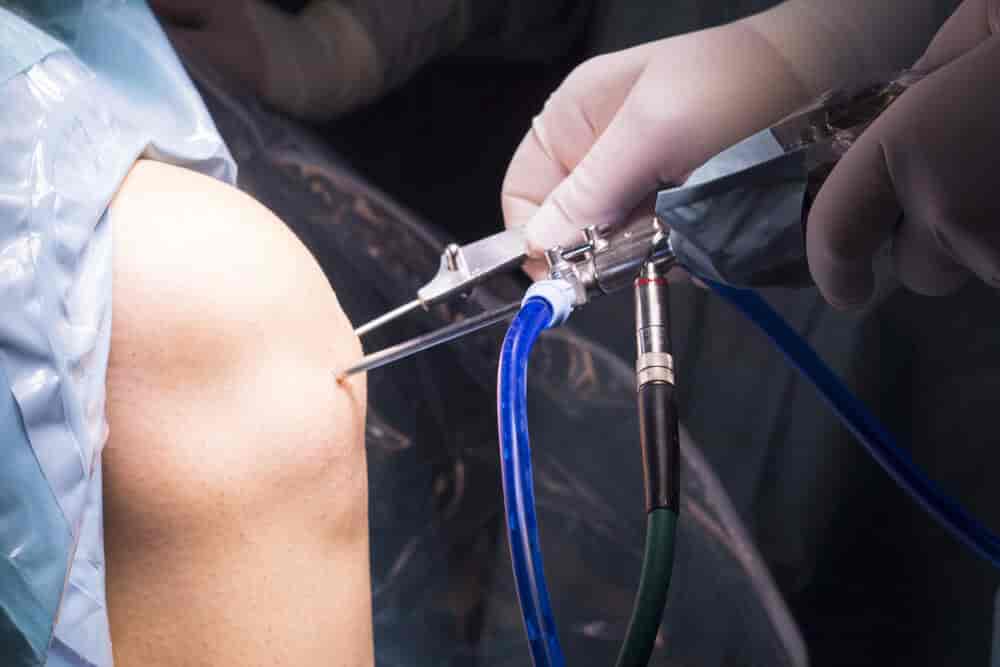
When chronic knee pain begins to limit daily movement, independence, and quality of life, surgical intervention may become the most effective solution. One of the most commonly performed and successful orthopaedic surgeries worldwide is the total knee replacement procedure. This advanced treatment helps patients regain mobility, reduce pain, and return to an active lifestyle after years of discomfort caused by joint damage.
This detailed guide explains everything you need to know about total knee replacement—from symptoms and preparation to recovery and long-term outcomes—so patients can make informed decisions with confidence.
Understanding Knee Joint Degeneration
The knee is a complex joint made up of bones, cartilage, ligaments, and tendons that work together to support body weight and enable smooth movement. Over time, or due to injury, the cartilage that cushions the knee can wear down. This leads to friction, inflammation, stiffness, and pain.
Common causes of knee joint damage include:
-
Osteoarthritis (age-related wear and tear)
-
Rheumatoid arthritis (autoimmune joint inflammation)
-
Post-traumatic arthritis from past injuries
-
Congenital deformities or joint instability
When conservative treatments no longer provide relief, knee replacement surgery may be recommended.
What Is a Total Knee Replacement?
A total knee replacement is a surgical procedure in which damaged surfaces of the knee joint are removed and replaced with artificial components made of metal alloys, high-grade plastics, or ceramics. These implants are designed to replicate the natural movement of a healthy knee.
Unlike partial knee replacement, this surgery addresses damage across the entire joint, making it ideal for patients with widespread arthritis or deformity affecting multiple compartments of the knee.
Who Is a Candidate for Knee Replacement Surgery?
Not everyone with knee pain needs surgery. However, candidates for total knee replacement typically experience:
-
Severe knee pain that limits walking, climbing stairs, or standing
-
Persistent stiffness and swelling
-
Difficulty sleeping due to knee discomfort
-
Poor response to medications, injections, or physiotherapy
-
Reduced quality of life and mobility
A specialist orthopaedic assessment, imaging tests, and medical history review are essential before proceeding.
Pre-Surgery Evaluation and Preparation
Before surgery, patients undergo a comprehensive evaluation to ensure safety and optimal outcomes. This includes:
-
X-rays or MRI scans to assess joint damage
-
Blood tests and heart evaluations
-
Review of current medications
-
Discussion of expectations and post-operative goals
Patients may be advised to strengthen muscles, adjust medications, or stop smoking prior to surgery to support healing.
Step-by-Step: How the Surgery Is Performed
The total knee replacement procedure typically takes between one to two hours and follows these steps:
-
Anaesthesia – Either general or spinal anaesthesia is administered.
-
Incision – A surgical cut is made at the front of the knee.
-
Removal of damaged tissue – Worn cartilage and damaged bone are carefully removed.
-
Implant placement – Artificial joint components are fitted and secured.
-
Alignment and testing – The surgeon checks movement and stability.
-
Closure – The incision is closed with sutures or staples.
Advanced techniques aim to preserve surrounding tissues and ensure precise implant alignment.
Hospital Stay and Immediate Recovery
Most patients stay in hospital for a few days following surgery. During this time:
-
Pain is managed with medication
-
Physical therapy begins within 24 hours
-
Patients are encouraged to stand and walk with assistance
-
Blood clots and infections are actively prevented
Early mobilisation is key to successful recovery.
Rehabilitation and Physiotherapy
Rehabilitation plays a vital role in regaining strength and movement. A structured physiotherapy plan helps:
-
Improve knee flexibility
-
Restore muscle strength
-
Enhance balance and coordination
-
Prevent stiffness and complications
Most patients continue physiotherapy for several weeks or months, depending on individual progress.
Life After Knee Replacement Surgery
Following recovery, patients often experience dramatic improvements in mobility and comfort. Everyday activities such as walking, driving, and climbing stairs become easier. While high-impact sports may be discouraged, low-impact activities like swimming, cycling, and walking are generally encouraged.
Modern knee implants are highly durable and can last 15–20 years or more with proper care.
Risks and Possible Complications
Like all surgeries, knee replacement carries some risks, including:
-
Infection
-
Blood clots
-
Implant loosening or wear
-
Nerve or blood vessel injury
-
Ongoing stiffness or pain (rare)
Choosing an experienced orthopaedic team significantly reduces these risks.
Importance of Choosing the Right Orthopaedic Specialist
The success of knee replacement surgery depends heavily on the surgeon’s expertise, surgical technique, and post-operative care. A well-established orthopaedic practice with access to modern technology and comprehensive rehabilitation services ensures better outcomes and long-term satisfaction.
Final Thoughts
A total knee replacement procedure can be life-changing for individuals struggling with severe knee pain and limited mobility. With proper assessment, expert surgical care, and dedicated rehabilitation, patients can look forward to a more active, pain-free future.
If knee pain is preventing you from living fully, consulting an experienced orthopaedic specialist is the first step toward lasting relief and restored movement.