
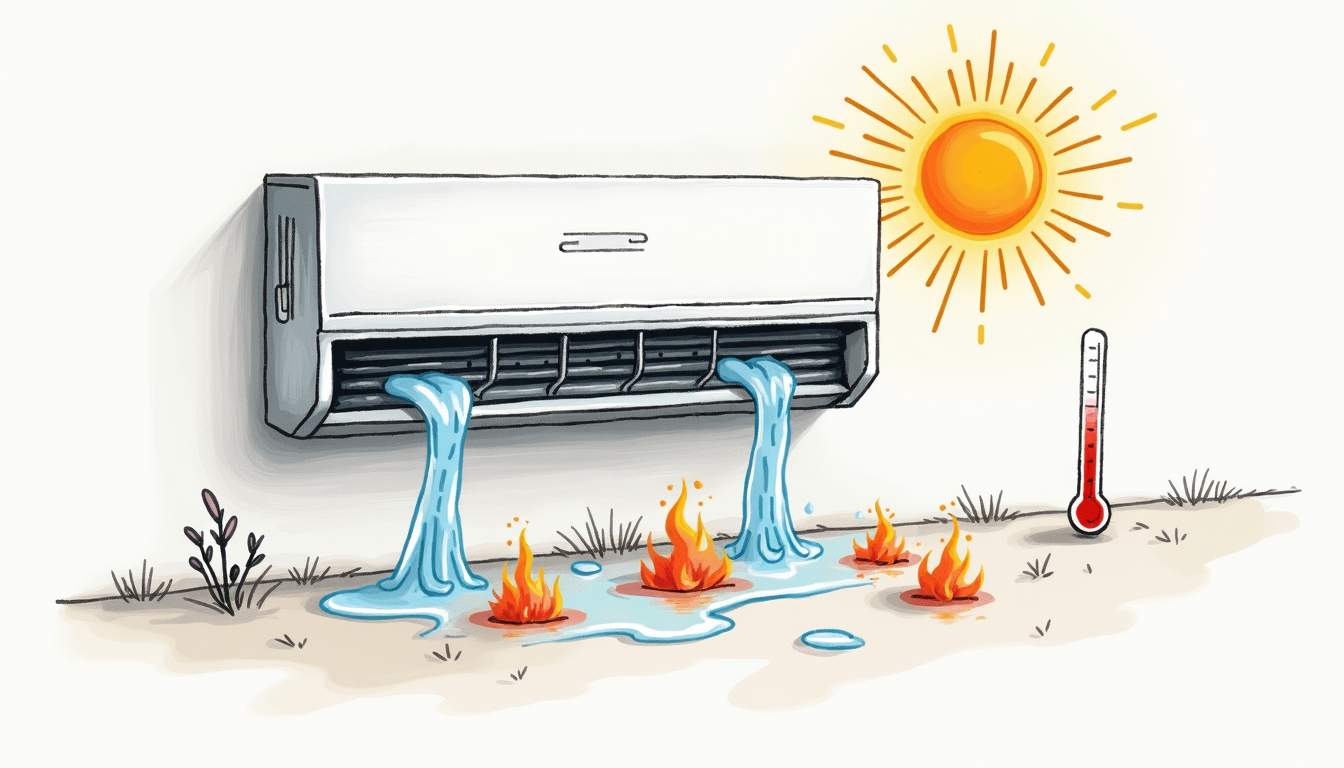
As the temperatures rise and summer approaches, a reliable air-conditioning unit becomes essential for comfort and well-being. However, like any mechanical system, air conditioners can develop issues over time. Recognizing the early warning signs that your AC unit needs immediate attention can save you from costly repairs, inconvenient breakdowns, and uncomfortable living conditions. This article explores the top indicators that your air-conditioning unit requires prompt professional care.
Unusual Noises Coming from the Unit
One of the most common signs that your air-conditioning system is struggling is the presence of strange or loud noises. While some sounds are normal during operation, such as the gentle hum of the compressor or the whoosh of air moving through the vents, unusual noises often signal mechanical problems.
Rattling or Banging Sounds
If your AC unit starts making rattling or banging noises, it could indicate loose or broken components inside the system. This might be a loose fan blade, a failing motor, or debris caught in the unit. Ignoring these sounds can lead to further damage and more expensive repairs down the line. It’s essential to address these noises promptly, as they can disrupt the airflow and efficiency of your system, leading to increased energy bills and discomfort during hot weather. Regular maintenance checks can help identify these issues before they escalate, ensuring your unit runs smoothly and efficiently.
Squealing or Screeching
Squealing noises often point to issues with the belt or motor bearings. The belt may be slipping or worn out, causing friction and noise. Similarly, worn bearings can create high-pitched screeches, signaling that parts need lubrication or replacement. Prompt inspection and maintenance can prevent a complete breakdown. Additionally, neglecting these sounds can lead to overheating, which can damage the compressor and other critical components, resulting in costly repairs. Keeping an ear out for these warning signs can save you time and money in the long run, allowing you to enjoy a cool, comfortable environment without unexpected interruptions.
Clicking Sounds
Repeated clicking noises when the unit turns on or off could suggest electrical problems, such as a failing relay or thermostat issues. Electrical faults not only affect performance but can also pose safety hazards, making immediate attention crucial. If you hear clicking sounds, it’s advisable to turn off the unit and consult a professional technician. You can also visit Aircon Servicing
for expert assistance, where skilled technicians can conduct a thorough inspection to identify any underlying electrical issues, ensuring that your air conditioning system operates safely and efficiently. Moreover, addressing these problems early can prevent more severe electrical failures, which could lead to complete system shutdowns or even fire hazards in extreme cases.
Hissing or Bubbling Sounds
Another set of noises to be aware of is hissing or bubbling sounds, which typically indicate a refrigerant leak. This is a serious issue that can compromise the efficiency of your cooling system and lead to environmental concerns. If you notice these sounds, it’s crucial to contact a professional immediately, as refrigerant leaks can be harmful to both your health and the environment. A qualified technician can locate the source of the leak, repair it, and recharge the system with the appropriate amount of refrigerant, ensuring your AC unit can cool your space effectively once again.
Reduced Cooling Efficiency
When an air-conditioning unit is not cooling your space effectively, it’s a clear indication that something is wrong. Reduced cooling efficiency can stem from several underlying issues, and addressing them early can restore comfort and save energy costs.
Warm Air Blowing from Vents
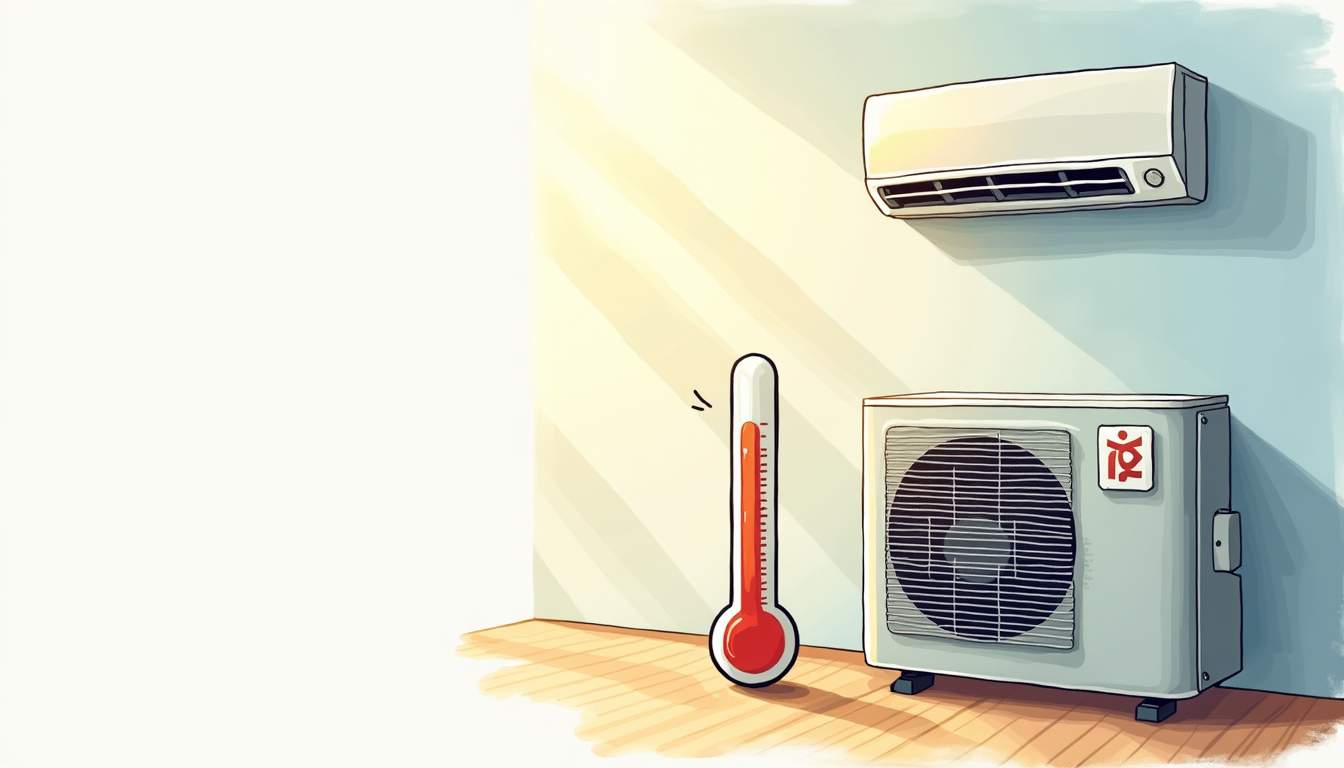
If your AC is blowing warm or only slightly cool air, it might be due to refrigerant leaks, compressor failure, or clogged filters. Refrigerant is essential for heat exchange, and low levels mean the unit cannot cool properly. Compressor problems can also prevent the system from functioning efficiently.
Increased Energy Bills
A sudden spike in your electricity bills without a change in usage patterns often points to an overworking AC unit. When the system struggles to maintain the desired temperature, it consumes more energy, leading to higher costs. This inefficiency is a sign that your unit needs servicing or repairs.
Longer Cooling Cycles
Another sign of reduced efficiency is when the air conditioner runs for extended periods without adequately cooling the room. This can strain the system, causing premature wear and potential failure. Regular maintenance can help prevent this problem by keeping components clean and in good condition.
Water Leaks and Excess Moisture
Water leakage around or inside your air-conditioning unit is a serious issue that requires immediate attention. AC systems remove humidity from the air, but excessive moisture or leaks indicate a malfunction.
Pooling Water Near the Unit
Finding water pooling around the indoor unit or near the outdoor condenser is a sign of a clogged or damaged condensate drain line. When the drain is blocked, water cannot exit the system properly and starts to accumulate, potentially causing water damage to your home.
Ice Formation on Coils
Sometimes, water leaks are a result of ice buildup on the evaporator coils. When these coils freeze, they can cause water to drip as the ice melts. Ice formation can be caused by low refrigerant levels, poor airflow, or dirty filters. Addressing these issues quickly prevents damage to the compressor and other components.
High Indoor Humidity
If you notice that the air inside your home feels unusually humid despite running the AC, it might be failing to remove moisture effectively. This can lead to mold growth and poor indoor air quality, posing health risks. Professional servicing can restore proper dehumidification.
Foul Odors Emitting from the System
Strange or unpleasant smells coming from your air-conditioning unit are a clear sign that something needs to be checked immediately. Odors can indicate electrical problems, mold growth, or accumulated debris within the system.
Musty or Moldy Smells
A musty odor often points to mold or mildew growth inside the unit or ductwork. Moisture buildup creates an ideal environment for mold, which can spread spores throughout your home, aggravating allergies and respiratory issues. Cleaning and disinfecting the system is necessary to eliminate these odors.
Burning or Electrical Smells
Burning smells may indicate overheating electrical components or wiring issues. This is a serious safety concern that requires immediate professional attention to prevent fire hazards. If you detect such odors, turn off the unit and call a technician right away.
Rotten Egg or Sulfur Smell
A sulfur-like or rotten egg smell could suggest a gas leak or dead animal trapped in the ductwork. While natural gas is not typically associated with AC units, some systems may use gas-powered components, or the smell might come from nearby sources. Regardless, this odor should never be ignored.
Frequent Cycling or Failure to Start
Another sign that your air-conditioning unit needs immediate attention is abnormal cycling behavior. This includes the unit turning on and off frequently or failing to start altogether.
Short Cycling
Short cycling occurs when the AC turns on and off repeatedly in short intervals. This can be caused by an oversized unit, thermostat issues, or refrigerant problems. Short cycling reduces efficiency, increases wear and tear, and raises energy costs.
Unit Won’t Start
If your air conditioner fails to start, it may be due to electrical faults, a blown fuse, or a malfunctioning thermostat. Sometimes, the compressor or fan motor may have failed. Diagnosing and fixing these issues promptly prevents further damage and restores comfort.
Delayed Start or Hesitation
When the unit hesitates or delays before starting, it could be a sign of electrical problems or failing components. This behavior often precedes complete failure, so scheduling a service call at the first sign of hesitation is wise.
Visible Damage or Wear on the Unit
Physical inspection of your air-conditioning unit can reveal signs of wear or damage that require immediate attention. Neglecting visible issues can lead to more severe problems and costly repairs.
Corrosion or Rust
Outdoor AC units are exposed to the elements, making them susceptible to rust and corrosion. Significant corrosion can damage coils, fins, and other components, reducing efficiency and lifespan. Regular cleaning and protective coatings can help, but severe rust requires professional repair or replacement.
Damaged or Bent Fins
The fins on the condenser and evaporator coils help dissipate heat. If these fins are bent or damaged, airflow is restricted, reducing cooling efficiency. Special fin combs can straighten minor damage, but extensive damage may necessitate professional service.
Leaks or Cracks in the Ductwork
Damaged ductwork can cause cool air to escape before reaching your living spaces, forcing the AC to work harder. Leaks and cracks also allow dust and allergens to enter the system. Inspecting and sealing ducts improves performance and indoor air quality.
Conclusion
Recognizing the top signs that your air-conditioning unit needs immediate attention is crucial for maintaining a comfortable and safe home environment. Unusual noises, reduced cooling efficiency, water leaks, foul odors, frequent cycling, and visible damage are all red flags that should prompt timely professional inspection and repair.
Regular maintenance and prompt response to these warning signs not only extend the lifespan of your AC unit but also improve energy efficiency and indoor air quality. When in doubt, consulting a licensed HVAC technician ensures that your air-conditioning system remains reliable and effective throughout the hot months.
Stay vigilant and proactive to avoid unexpected breakdowns and enjoy a cool, comfortable home all summer long.