Spray foam insulation has become a popular choice in Raleigh due to its exceptional performance and energy-saving benefits. This insulation solution, made from a mixture of isocyanate and polyol resin, creates a strong, airtight barrier when applied. The core benefit of spray foam is its ability to expand and fill all gaps, cracks, and cavities in building structures, offering superior thermal protection, moisture resistance, and soundproofing. In this article, we’ll dive into the science behind spray foam, how it works, and why it’s the smart choice for Raleigh homeowners and contractors.
How Spray Foam Works
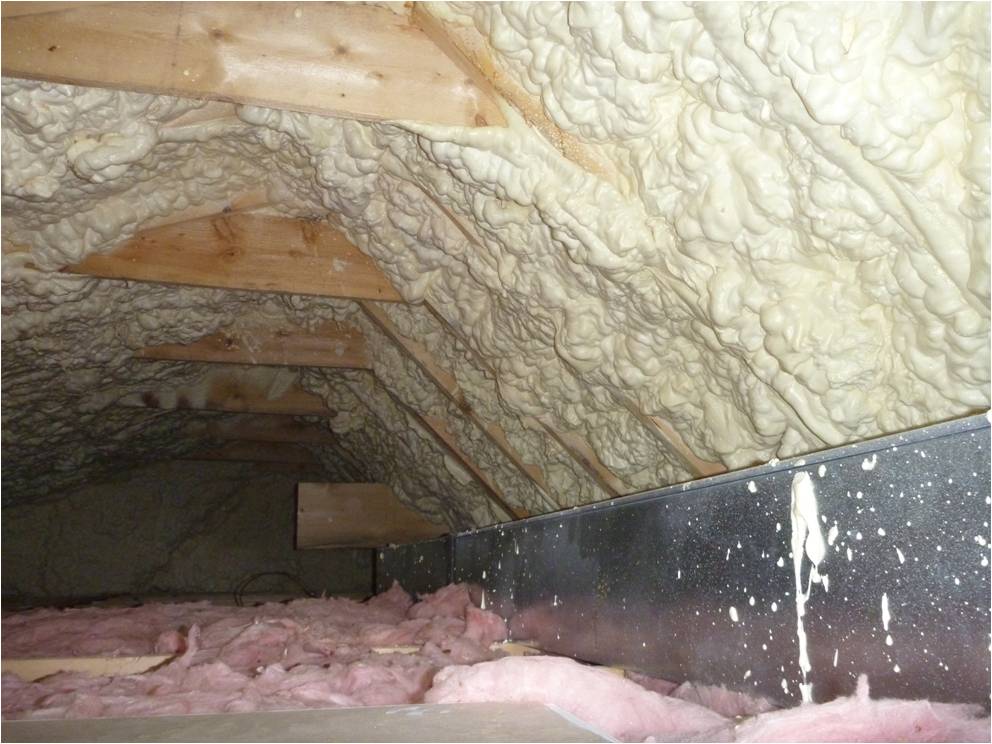
Spray foam insulation works by expanding on application to fill every crack and crevice in the surface it is sprayed on. Once mixed and sprayed, the foam reacts chemically to form a solid structure, providing excellent air sealing and superior thermal resistance. There are two primary types of spray foam insulation: open-cell and closed-cell. Each type has unique properties that cater to different needs and conditions.
Open-Cell vs. Closed-Cell Spray Foam
The choice between open-cell and closed-cell spray foam comes down to the specific needs of the insulation project. Below is a comparison of both types, highlighting their key differences.
|
Property |
Open-Cell Foam |
Closed-Cell Foam |
|
Density |
Low (0.5 to 1.0 lb/ft³) |
High (2.0 to 3.0 lb/ft³) |
|
R-Value per Inch |
3.5 to 4.0 |
6.0 to 7.0 |
|
Water Resistance |
Low |
High |
|
Air Barrier |
Moderate |
Excellent |
|
Cost |
More affordable |
More expensive |
|
Soundproofing |
Excellent |
Moderate |
|
Best Use |
Interior walls, ceilings, floors |
Exterior walls, roofing, basements |
Thermal Performance and Energy Efficiency
One of the most significant advantages of spray foam is its exceptional thermal performance. Spray foam has a higher R-value per inch compared to other insulation materials, such as fiberglass or cellulose. The R-value measures the material’s ability to resist heat flow, and the higher the value, the better the insulation.
Closed-cell foam, with its higher density and superior R-value, is often used for exterior walls and roofing, where both high insulation performance and moisture resistance are required. On the other hand, open-cell foam is ideal for interior applications such as walls and ceilings, where cost-effective insulation with good soundproofing properties is needed.
Things to Consider Before Making a Decision
Before selecting spray foam insulation for your Raleigh property, it’s crucial to consider several factors to ensure the best choice for your needs.
1. Building Type and Structure
- For homes in Raleigh, the climate plays a significant role in choosing the right type of foam. Closed-cell foam works well in areas exposed to heavy moisture (e.g., basements or crawlspaces), while open-cell foam is suitable for areas that don’t experience high moisture levels.
2. Cost Considerations
- While closed-cell foam offers superior benefits, it comes at a higher cost. Homeowners must weigh the initial investment against long-term energy savings. Open-cell foam provides a more affordable option but may not provide the same durability in high-moisture areas.
3. Installation and Maintenance
- The installation of spray foam requires professional expertise. Improper installation can lead to gaps or uneven coverage, undermining its effectiveness. Always ensure that the installation is carried out by certified contractors in Raleigh.

Technical Specifications of Spray Foam Insulation
Here is a quick overview of key technical specifications for both open-cell and closed-cell spray foam:
|
Specification |
Open-Cell Foam |
Closed-Cell Foam |
|
Density |
0.5 to 1.0 lb/ft³ |
2.0 to 3.0 lb/ft³ |
|
R-Value per Inch |
3.5 to 4.0 |
6.0 to 7.0 |
|
Moisture Vapor Barrier |
None |
Yes |
|
Compression Strength |
Low |
High |
|
Expansion Rate |
100-120% |
30-50% |
|
Fire Resistance |
Class 1 (flammable) |
Class 1 (flame retardant) |
4. Climate Impact
Raleigh experiences a variety of weather conditions, from hot summers to colder winters. Spray foam insulation helps maintain a stable indoor temperature, reducing heating and cooling costs year-round. Its high R-value ensures better energy efficiency by preventing heat transfer, whether you’re keeping heat inside during winter or blocking the summer heat.
Common Questions
What is the difference between open-cell and closed-cell spray foam?
Open-cell foam has a softer structure and lower density, offering moderate insulation and soundproofing. It’s best for interior applications like walls and ceilings. Closed-cell foam is denser, more rigid, and provides superior insulation and moisture resistance, making it ideal for exterior walls and roofs.
How long does spray foam insulation last?
When properly installed, spray foam insulation can last for the life of the building, typically 50 years or more. It is durable and resistant to mold, mildew, and pests, provided there are no issues with moisture intrusion.
Can spray foam help with noise reduction?
Yes, open-cell spray foam is particularly effective at soundproofing due to its ability to absorb sound. It’s commonly used in interior walls to reduce noise transmission between rooms.
Does spray foam require maintenance?
Generally, spray foam insulation does not require maintenance. However, it is essential to check periodically for damage, especially in areas exposed to moisture, as this could affect its performance.
Bonus Tips for Choosing Spray Foam Insulation
- Consider Professional Installation: Proper application is critical to ensuring spray foam’s effectiveness. Make sure to hire an experienced contractor in Raleigh who can handle the installation process safely and efficiently.
- Evaluate Airflow: Before installation, consider your home’s airflow. Spray foam works best when combined with adequate ventilation to prevent moisture buildup, which can damage the insulation.
- Energy Audit: Consider conducting an energy audit before installing spray foam to understand the specific needs of your home and to identify other potential areas for improvement.
FAQ
1. How is spray foam insulation applied?
Spray foam insulation is applied as a liquid and then expands on contact with the surface to form a solid barrier. It is sprayed by professionals using specialized equipment to ensure an even coating.
2. Is spray foam insulation safe for my home?
Yes, spray foam insulation is generally safe when applied correctly. It is important to ensure proper ventilation during installation to avoid inhaling fumes from the chemicals.
3. Can spray foam insulation be used in attic spaces?
Yes, spray foam is ideal for attic spaces, especially if you’re looking for superior air sealing and insulation. Closed-cell foam is often used in attics exposed to extreme temperature fluctuations.
4. Does spray foam insulate against moisture?
Closed-cell spray foam acts as a moisture barrier, preventing water infiltration, making it ideal for high-humidity areas. Open-cell foam, however, is less effective at moisture resistance.
Make the Right Decision
Choosing the right type of spray foam insulation in Raleigh depends on your specific needs. Whether you’re looking for superior energy efficiency, moisture resistance, or soundproofing, spray foam offers a versatile and effective solution. Ensure you consider the climate, costs, and specific requirements of your project to make an informed decision.