Membrane roofing plays a critical role in protecting buildings from long-term moisture damage, especially in commercial and low-slope residential structures. These systems are engineered to prevent water intrusion, reduce maintenance demands, and extend the lifespan of the roof. As concerns over building durability and energy performance increase, more contractors and building owners are turning to expert membrane roofing solutions for reliable moisture protection.
This article breaks down how roof membranes work, the types available, their advantages, and how they outperform traditional roofing materials in moisture defense. Whether you’re involved in construction, property management, or roofing consultation, this guide offers useful insights to inform long-term planning and investment decisions.
Key Functions of Membrane Roofing in Moisture Management
Membrane roofing isn’t just a surface layer—it acts as a shield that protects the structural elements beneath from water damage. The effectiveness of a waterproof roofing membrane lies in its material composition, installation technique, and maintenance over time.
How Membrane Systems Prevent Water Intrusion
Water doesn’t need much to cause serious damage—just one penetration point. Membrane roofs address this with wide, continuous sheets and heat-welded seams that create a unified barrier.
- Heat-sealed or adhesive-based seams eliminate traditional failure points
- Single-layer or multi-ply designs reduce overlap, which minimizes leaks
- Flexible materials adjust to thermal movement and settling without cracking
This design approach ensures that water is directed off the surface and away from critical areas, such as flashings, edges, and penetrations.
Importance of Seam Integrity
Seams are often the most vulnerable point in traditional roofing systems. With single-ply membrane systems, seam failure is significantly reduced:
- EPDM and TPO membranes use heat-welding or strong adhesives
- Pre-formed accessories like corner boots and pipe seals prevent weak points
- Proper seam inspections during installation help eliminate long-term failure risks
Seam integrity translates to fewer maintenance issues and better long-term performance.
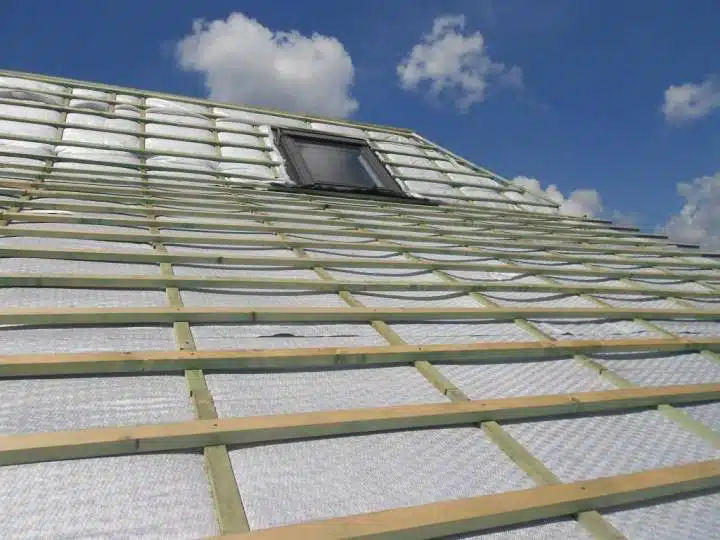
Comparing Membrane Roofing Materials
Different roof membrane materials offer distinct advantages depending on climate, roof slope, and building usage.
Types of Membrane Roofing and Moisture Performance
|
Material |
Moisture Resistance |
UV Stability |
Common Use Case |
|---|---|---|---|
|
EPDM |
High |
Moderate |
Low-slope commercial |
|
TPO |
High |
High |
Energy-efficient roofs |
|
PVC |
Very High |
High |
Chemical/food facilities |
Each membrane type performs well under water exposure, but differences in chemical composition and flexibility affect their application suitability.
EPDM: Proven Durability in Harsh Climates
EPDM membranes have a long track record in moisture protection.
- Rubber-based flexibility handles freeze/thaw cycles without cracking
- Resists standing water when properly sloped
- Often installed in large sheets to reduce seams
Though not as reflective as TPO or PVC, EPDM remains popular in regions with frequent rainfall or snow.
Installation Quality and Maintenance Influence Longevity
A membrane roofing system’s moisture resistance depends as much on proper installation and upkeep as on material choice.
Professional vs. DIY Installation
Professional installation typically includes:
- Seam testing (heat-welded or adhesive bonding)
- Insulation and vapor barrier integration
- Flashing details for drains, curbs, and penetrations
DIY installation is risky due to:
- Improper seam bonding
- Lack of vapor barrier compatibility
- Inadequate slope or drainage planning
Hiring experienced crews ensures the roof performs under both normal and extreme weather conditions.
Routine Maintenance Practices
Maintenance plans for flat roof membrane systems often include:
- Annual inspections for punctures or seam issues
- Clearing debris from drains and scuppers
- Checking flashing and rooftop equipment mounts
These steps extend the life of the membrane and catch minor issues before they develop into moisture intrusion.
Addressing Moisture Challenges in Flat and Low-Slope Roofs
Flat roofs are more prone to ponding water, which accelerates wear if the system is not designed to manage it.
Ponding Water and Structural Load
Prolonged ponding increases stress on the roofing membrane and the structure.
- Membrane materials like PVC resist water absorption
- Slope corrections (tapered insulation, crickets) help drainage
- Rooftop equipment should be elevated to prevent pooling around supports
Ignoring drainage issues risks membrane failure, leaks, and even structural damage.
Vapor Barriers and Insulation Compatibility
For full building envelope protection, vapor barriers and insulation must work with the membrane roofing system.
- Proper sequencing avoids trapping moisture between layers
- Polyiso or EPS insulation offers thermal resistance while resisting mold
- Compatible adhesives reduce blistering caused by trapped vapor
Selecting the correct insulation and barrier combination is crucial to managing interior humidity and preventing condensation under the roof deck.

Common Questions
What is the typical lifespan of a membrane roof?
Most single-ply membrane roofing systems last 20–30 years with proper maintenance. EPDM may last even longer in temperate climates, while TPO and PVC offer more UV protection in sunny regions.
Can membrane roofing be repaired easily?
Yes, these systems allow for targeted repairs. Punctures or seam issues can often be fixed without replacing large sections, especially with EPDM patch kits or heat-welded TPO/PVC patches.
Is membrane roofing suitable for residential homes?
While primarily used in commercial buildings, membrane roofs work well for residential homes with flat or low-slope roofs. Their low maintenance needs and durability appeal to homeowners seeking long-term solutions.
How does membrane roofing handle snow and ice?
EPDM and PVC maintain flexibility in freezing conditions and resist cracking. Proper drainage and structural slope are key to preventing ice damming and ponding that compromise the roof’s function.
Conclusion
Professional Insulation contractor offers one of the most effective solutions for long-term moisture protection in both commercial and low-slope residential buildings. Its seamless installation, durable materials, and low maintenance profile make it a preferred option for reducing leak risks and extending the lifespan of roofing systems.
By focusing on correct material selection, professional installation, and scheduled maintenance, building owners can mitigate moisture-related damage and preserve the structural integrity of their properties. These systems are built to withstand harsh weather while maintaining strong performance year after year.
FAQs
What are the advantages of single-ply membranes over built-up roofs? Single-ply systems like TPO or EPDM are faster to install, require fewer layers, and present fewer opportunities for leaks. They are lighter and typically easier to maintain than traditional built-up roofing.
Does membrane roofing resist mold and mildew? Yes. Most roofing membranes are made from synthetic materials that resist biological growth, especially when installed with proper drainage and ventilation systems.
Can solar panels be installed on membrane roofs? Yes, but a mounting system compatible with the roof membrane should be used to avoid punctures. Ballasted or adhesive-mounted systems are often preferred over penetrative mounting.
Are all membrane roofs white or reflective? Not all. TPO and PVC are often white to reflect sunlight, but EPDM roofing is usually black. Reflectivity can be adjusted based on energy efficiency goals and climate.
Is insulation included in a membrane roofing system? Insulation is usually installed beneath the membrane. The type and thickness depend on energy codes and the moisture control strategy used in the overall roof design.
Reviewer: Lily Johnson offered her feedback after reviewing this post. With 8 years in the spray foam insulation field, her suggestions centered around improving outreach to homeowners looking for quality insulation solutions.