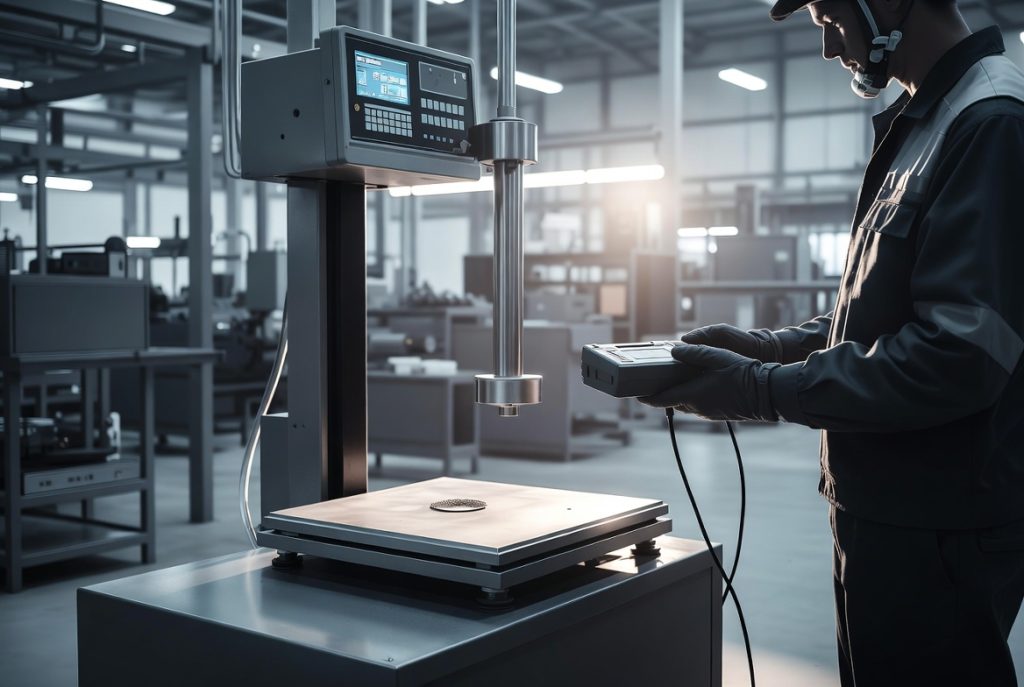
Precision is crucial in the aerospace industry, where even the slightest deviation in component specifications can lead to significant consequences. As aircraft and spacecraft designs become increasingly complex, the role of tooling engineering has never been more important. Tooling engineering ensures that the manufacturing tools used to create aerospace components—especially those produced through advanced composite manufacturing and build to print manufacturing—are precise, reliable, and optimized for quality production.
This guide explores the fundamentals of tooling engineering in aerospace, highlighting its critical role in delivering precision builds and how it integrates with composite manufacturing and build-to-print processes.
Understanding Tooling Engineering in Aerospace
Tooling engineering involves designing, fabricating, and maintaining the tools, molds, dies, and fixtures used throughout the manufacturing process. In aerospace, these tools ensure that every part is produced to exact specifications as outlined in detailed engineering aerospace product development .
Given the high standards of the industry, aerospace tooling often requires:
- Exceptional dimensional accuracy
- Robust durability under production stresses
- Compatibility with advanced manufacturing processes
The Importance of Tooling in Composite Manufacturing
Composite manufacturing is becoming the material of choice in aerospace due to its superior strength-to-weight ratio. However, creating composite parts demands highly specialized tooling:
- Precision Molds: Custom molds must withstand high heat and pressure during curing without warping or losing shape. High precision ensures fiber orientation and layer thickness meet design requirements.
- Fixtures and Jigs: These hold composite layers in place through complex layup processes, maintaining alignment and structural integrity.
- Cutting Tools: Specialized blades and routers are needed to carefully trim and finish composite materials without causing delamination or damage.
Highly accurate and durable tooling is necessary to meet the stringent aerospace tolerances associated with composite structures.
Role of Build to Print Manufacturing in Tooling
Build to print manufacturing refers to producing components exactly per customer-provided engineering prints. Tooling engineering is integral to this approach because:
- Exact Replication: Tooling must precisely translate design specifications into physical parts without deviation, critical in aerospace where safety and performance are paramount.
- Efficiency: Well-designed tooling minimizes wastage and rework by ensuring consistent part quality.
- Standardization: For on-demand or batch production, tooling ensures each unit meets uniform standards, facilitating scalability.
Tooling engineers work closely with both design teams and manufacturing personnel to develop tools that facilitate efficient build-to-print production.
Key Elements of Effective Tooling Engineering
1. Design Precision and Validation
Tooling must be meticulously designed to match engineering drawings. This process often incorporates:
- CAD Modeling: Creating detailed digital tool designs to simulate performance.
- FEA Analysis: Using finite element analysis to predict stresses and deformation during use.
- Prototyping: Building prototype tools to validate design accuracy before mass production.
This rigorous design and validation reduce costly errors in manufacturing.
2. Material Selection
Tooling materials must balance durability, weight, cost, and performance:
- Metals: High-strength steels and aluminum alloys are common for molds and dies.
- Composites: Some tooling uses composite materials for lightweight or temperature-resistant requirements.
- Coatings: Specialized surface treatments enhance wear resistance and reduce adhesion during composite curing.
Choosing the right materials extends tool life and maintains precision under demanding conditions.
3. Compatibility with Manufacturing Processes
Different manufacturing methods require specific tooling features:
- Automated Fiber Placement (AFP): Tools guide robotic heads precisely during fiber placement.
- Resin Transfer Molding (RTM): Molds must allow resin injection while maintaining seal integrity.
- Machining and Trimming: Fixtures must hold delicate composite parts securely without damage.
Tooling engineers must tailor designs to each process’s unique demands.
4. Maintenance and Lifecycle Management
Over time, tooling components wear and require maintenance or replacement:
- Regular Inspections: Scheduled checks identify wear, corrosion, or damage.
- Refurbishment: Reconditioning tools extends their usable life.
- Replacement Planning: Proactive tool replacement prevents unexpected downtime.
Effective lifecycle management ensures consistent production quality and minimizes disruptions.
Benefits of Superior Tooling Engineering in Aerospace
Enhanced Product Quality
Accurate tooling directly impacts the quality of aerospace components. It ensures that every part meets tight tolerances, leading to better performance and safety in the final product.
Increased Manufacturing Efficiency
Well-designed tools optimize production workflows, reducing cycle times and cost per part. This efficiency is crucial in aerospace, where time-to-market pressures are intense.
Greater Design Freedom
Advanced tooling enables aerospace engineers to create innovative designs that maximize strength and weight savings. This freedom encourages technological breakthroughs in materials, aerodynamics, and structures.
Improved Regulatory Compliance
Consistent tooling manufacturing processes ensure products comply with strict aerospace regulations, facilitating certification and approval.
What People Also Ask
What is tooling engineering in aerospace?
Tooling engineering involves designing, creating, and maintaining tools, molds, and fixtures used in aerospace manufacturing to ensure precise and efficient production of components.
How does tooling affect composite manufacturing?
Tooling ensures composite materials are formed and cured accurately, maintaining fiber orientation, thickness, and structural integrity essential for aerospace applications.
What is build to print manufacturing?
Build to print manufacturing is producing components exactly according to client-provided engineering drawings and specifications without design changes.
Why is precision important in aerospace tooling?
Precision is vital to meet stringent tolerances and ensure safety, reliability, and performance of aerospace components.
How often should aerospace tooling be maintained?
Aerospace tooling requires regular inspection and maintenance based on usage to prevent wear-related defects and ensure consistent production quality.
Conclusion
Tooling engineering is a vital cornerstone of aerospace manufacturing, particularly as composite materials and build to print manufacturing shape the industry’s future. By prioritizing design precision, material selection, process compatibility, and lifecycle management, tooling engineers enable manufacturers to deliver high-quality, efficient, and compliant aerospace components. For aerospace firms aiming to innovate and stay competitive, investing in advanced tooling tooling engineering capabilities is essential. As technology advances, so will tooling methods, continuing to elevate aerospace product development to new levels of excellence and safety.