
Choosing the right spot for your television might seem straightforward at first glance, but achieving the perfect placement involves a thoughtful balance of aesthetics, comfort, and functionality. Whether it’s the living room, bedroom, kitchen, or even a cozy reading nook, every space demands a tailored approach to TV placement that enhances your viewing experience without compromising the room’s design or flow.
Understanding the Importance of TV Placement
TV placement is more than just finding a wall to hang your screen or a corner to set your stand. It directly impacts how comfortable and enjoyable your viewing experience will be. Poor placement can lead to glare, awkward viewing angles, neck strain, and even disrupt the room’s overall ambiance.
When planning TV placement, factors such as room size, seating arrangement, lighting conditions, and even the type of TV you own play crucial roles. Taking the time to analyze these elements ensures that your television becomes a natural, integrated part of your living space rather than an afterthought.
Viewing Distance and Angle: The Cornerstones of Comfort
One of the most critical considerations is the distance between the TV and the seating area. Sitting too close can cause eye strain, while too far away can make it difficult to appreciate the details on screen. A general rule of thumb is to position your TV at a distance that is approximately 1.5 to 2.5 times the diagonal size of your screen.
Equally important is the viewing angle. Ideally, the center of the TV screen should be at eye level when you’re seated. This prevents neck discomfort and ensures a natural, immersive viewing experience. If the TV is mounted too high or too low, it can lead to awkward postures and reduce the overall enjoyment.
Living Room: Balancing Style and Function
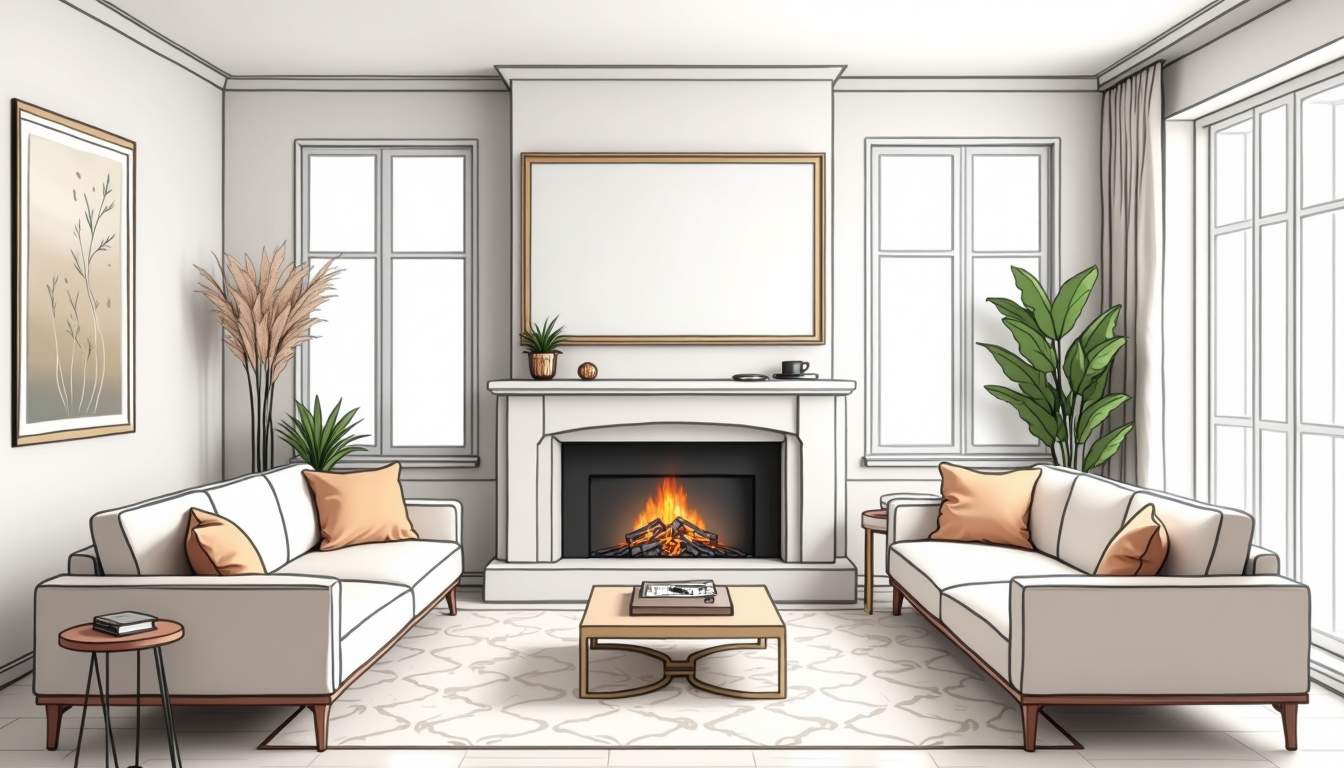
The living room is often the heart of the home, where family and friends gather to watch movies, catch up on shows, or enjoy game nights. Because it’s a multifunctional space, TV placement here requires a balance between style and practicality.
Finding the Focal Point
In most living rooms, the TV serves as the focal point, so it’s essential to position it where it naturally draws attention without overwhelming the space. Consider placing the TV on a wall that faces the main seating area, ensuring everyone has a clear view. Avoid positioning it opposite large windows, which can cause glare and make the screen hard to see during the day.
When wall space is limited, floating shelves or media consoles can provide a stylish solution. These options not only support the TV but also offer storage for media players, game consoles, and decorative items, helping to keep the area organized and visually appealing. For expert help with installations, you can visit PS Handyman Singapore.
Incorporating Multiple Seating Arrangements
Many living rooms feature sectional sofas, recliners, or additional chairs, which can complicate TV placement. To accommodate multiple viewing angles, consider a swivel mount that allows the TV to pivot. This flexibility means everyone can enjoy an optimal view regardless of where they sit.
Alternatively, arranging seating in a semi-circle or angled pattern can help maximize visibility. Just be sure to keep the viewing distance consistent and avoid placing seats too far off-center from the screen.
Managing Lighting and Glare
Natural light is a wonderful feature in living rooms but can create frustrating glare on your TV screen. To combat this, use window treatments like blackout curtains or adjustable blinds that can control the amount of sunlight entering the room. Positioning the TV perpendicular to windows rather than directly opposite them also helps reduce reflections.
For artificial lighting, opt for dimmable fixtures or indirect lighting that won’t shine directly on the screen. This approach creates a cozy atmosphere conducive to long viewing sessions without eye strain.
Bedroom: Creating a Relaxing Viewing Environment
The bedroom is a sanctuary for rest, but it’s also a popular spot for watching TV, especially for winding down at the end of the day. Here, comfort and convenience are paramount.

Optimal Height and Distance for Bed Viewing
Since most people watch TV while lying down or reclining in bed, the screen’s height and angle need special attention. Mounting the TV slightly higher than eye level when seated is often recommended, but for beds, a tilt mount that angles the screen downward can provide better visibility from a lying position.
Distance is equally important. A smaller screen size might work better in a bedroom to prevent overwhelming the space and to maintain a comfortable viewing distance, generally between 6 to 10 feet depending on the size of the room and TV.
Space-Saving Solutions
Bedrooms often have limited wall space due to windows, closets, or furniture. Consider mounting the TV on a swivel arm that can be tucked away when not in use or placed on a dresser or media cabinet that complements the room’s decor.
For those who prefer a minimalist setup, a projector and retractable screen can be an elegant alternative, allowing you to enjoy a large viewing surface without sacrificing floor or wall space.
Minimizing Distractions and Enhancing Comfort
To maintain a restful atmosphere, avoid placing the TV where its light or sound might interfere with sleep. Using a remote-controlled dimmer or smart home integration can allow you to adjust the TV’s brightness and volume easily.
Additionally, integrating soundbars or wireless headphones can improve audio quality without disturbing others, making the bedroom a more peaceful environment.
Kitchen and Dining Areas: Practical Entertainment
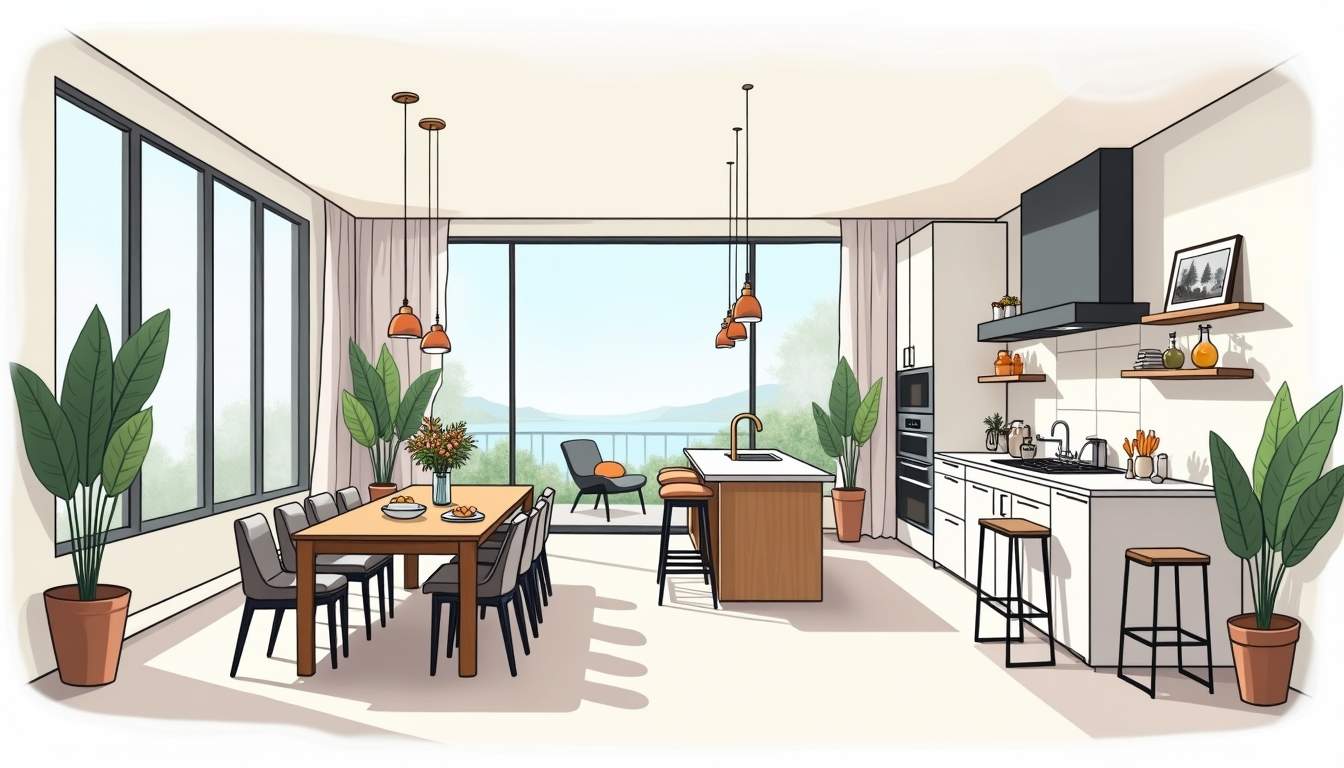
TVs in kitchens and dining spaces are becoming increasingly popular as people enjoy cooking shows, news, or background entertainment while preparing meals or eating. However, these areas require practical and safe placement strategies.
Mounting for Visibility and Safety
In kitchens, wall mounting the TV above countertops or on a corner wall can save valuable counter space and keep the screen visible from multiple angles. It’s important to ensure the TV is mounted securely and away from heat sources like ovens or stovetops to prevent damage.
Using a tilt or swivel mount allows you to adjust the screen’s angle depending on where you’re working or sitting, enhancing visibility without compromising safety.
Choosing the Right Size and Type
Smaller, more compact TVs or even waterproof and splash-resistant models are ideal for kitchens, where space is often limited and exposure to moisture is a concern. A screen size between 24 to 32 inches usually works well without dominating the space.
For dining areas, a slightly larger screen can enhance the experience, especially if the space is used for family meals or casual gatherings. Positioning the TV so it’s visible from the dining table but not the main cooking area strikes a good balance.
Integrating with Kitchen Design
Modern kitchens emphasize clean lines and minimal clutter. Concealing the TV within cabinetry or using a retractable TV lift can keep the design sleek and unobtrusive when the TV is not in use.
Additionally, coordinating the TV’s frame or mount color with kitchen cabinetry or wall colors can help it blend seamlessly with the overall aesthetic.
Home Office and Multi-Use Spaces: Flexibility is Key
With more people working from home, the home office has evolved into a multifunctional space that may also serve as a media room or guest area. TV placement in these rooms requires flexibility and thoughtful design.
Dual-Purpose Viewing and Work Setup
Incorporating a TV into a home office can provide a break from work or serve as a second monitor. Positioning the TV on an adjustable arm or mount allows you to switch between work and entertainment modes easily.
Consider placing the TV opposite the desk or at a slight angle, so it’s visible without distracting from work tasks. Cable management is crucial here to maintain a tidy, professional environment.
Space-Saving and Mobility Solutions
In rooms that serve multiple functions, mobile TV stands or carts can be invaluable. These allow you to move the TV out of the way when not in use or reposition it for different activities, such as presentations, workouts, or movie nights.
Wall mounts with quick-release features also offer flexibility, enabling easy removal or repositioning of the TV as needed.
Additional Tips for Perfect TV Placement
Consider Sound Quality
Good audio is just as important as the visual experience. Avoid placing the TV in corners or behind furniture that can muffle sound. Adding external speakers, soundbars, or a surround sound system can dramatically improve your viewing experience.
Hide Cables and Devices
Visible cables and cluttered media devices can detract from the room’s appearance. Use cable management solutions such as raceways, in-wall cable kits, or decorative covers to keep everything neat and organized. Wireless devices can also reduce cable clutter.
Personalize According to Lifestyle
Ultimately, the perfect TV placement depends on your lifestyle and how you use each room. Families with young children might prioritize safety and durability, while avid gamers may focus on optimal positioning for immersive gameplay. Tailoring your setup to your unique needs ensures the best possible experience.
Conclusion: Making Every Room a Perfect Viewing Space
Perfect TV placement is a blend of art and science, combining technical considerations with personal preferences and room design. By carefully evaluating each space’s unique characteristics and your viewing habits, you can create tailored solutions that enhance comfort, style, and functionality.
From the lively living room to the tranquil bedroom, from the bustling kitchen to the versatile home office, thoughtful TV placement transforms your television from a mere appliance into an integral part of your home’s atmosphere and enjoyment.
With these tailored strategies, every room can become the perfect spot for your favorite shows, movies, and games, making your home a true entertainment haven.