The world of eye care involves incredible detail and precision.The world of eye care involves incredible detail and precision. Procedures that restore or improve vision depend on highly specialized tools. The development of these tools has transformed what is possible in eye surgery, allowing surgeons to perform delicate operations with remarkable accuracy. At the heart of these procedures are the ophthalmic surgical instruments that enable surgeons to work on the minute structures of the eye, from the cornea to the retina.
The Foundation of Advanced Eye Procedures
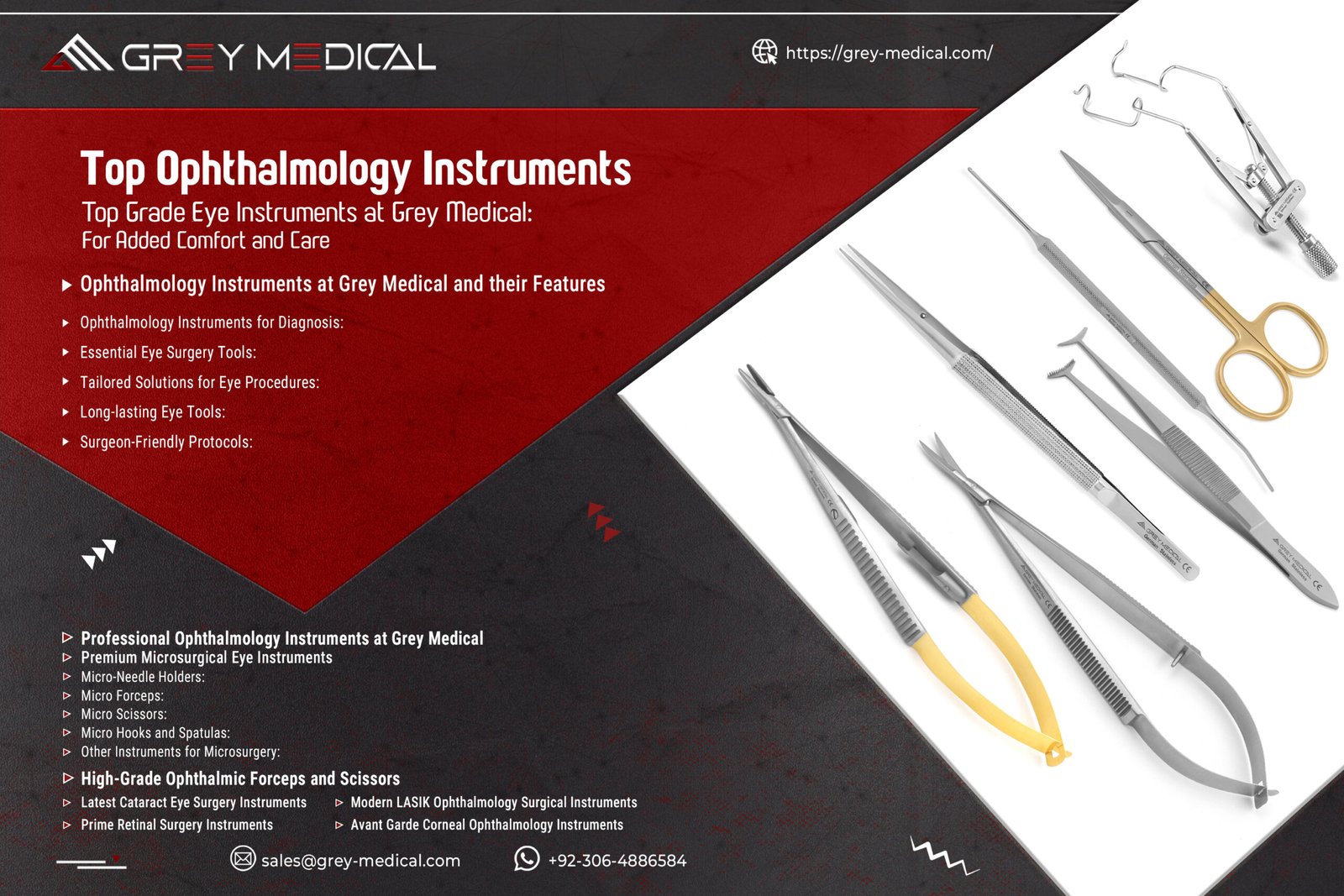
Modern eye surgery addresses a wide range of conditions, including cataracts, glaucoma, and retinal detachments. Each procedure requires a specific set of instruments designed for a unique purpose. For instance, micro-forceps and scissors allow for the gentle handling of delicate tissues, while speculums hold the eye open, providing a clear field of view for the surgeon. The quality and design of these tools are critical to the success of any operation, directly impacting patient outcomes.
Key Instruments in the Surgeon’s Toolkit
A surgeon’s tray for eye surgery contains a variety of specialized equipment. Cannulas are used for irrigating the eye and injecting fluids, while choppers and manipulators are essential during cataract surgery to break up and remove the clouded lens. Keratomes and other precision blades are used to make exact incisions. The constant innovation in the design of these ophthalmic surgical instruments means surgeons have access to more ergonomic and efficient tools than ever before, enhancing their control and precision.
The Role of Material and Manufacturing
The materials used to create medical instruments for eye surgery are just as important as their design. Surgical-grade stainless steel and titanium are common choices because they are durable, corrosion-resistant, and can be sterilized effectively. The manufacturing process demands an exceptional level of quality control to ensure every instrument is free from imperfections. Companies like GreyMedical®, a privately owned medical technology company, are dedicated to innovation and excellence in the craft of ophthalmic surgical instruments, pushing the boundaries of what is possible.
Maintaining Sterility and Performance
Proper care and sterilization are non-negotiable for ensuring patient safety. Reusable ophthalmic surgical instruments undergo a rigorous cleaning and sterilization process after every use to prevent infection. This process must be thorough enough to eliminate all contaminants without damaging the fine tips and delicate mechanisms of the instruments. Following strict protocols for maintenance ensures that every tool performs as intended, surgery after surgery.
Conclusion
The field of eye surgery is a testament to human ingenuity, where advanced techniques and specialized tools come together to preserve and restore sight. From simple forceps to complex phacoemulsification systems, the quality of ophthalmic surgical instruments is paramount. As technology continues to advance, we can expect even greater levels of precision and safety, further improving the quality of life for patients around the world. The commitment to excellence by manufacturers ensures that surgeons have the best possible tools to perform these life-changing procedures.