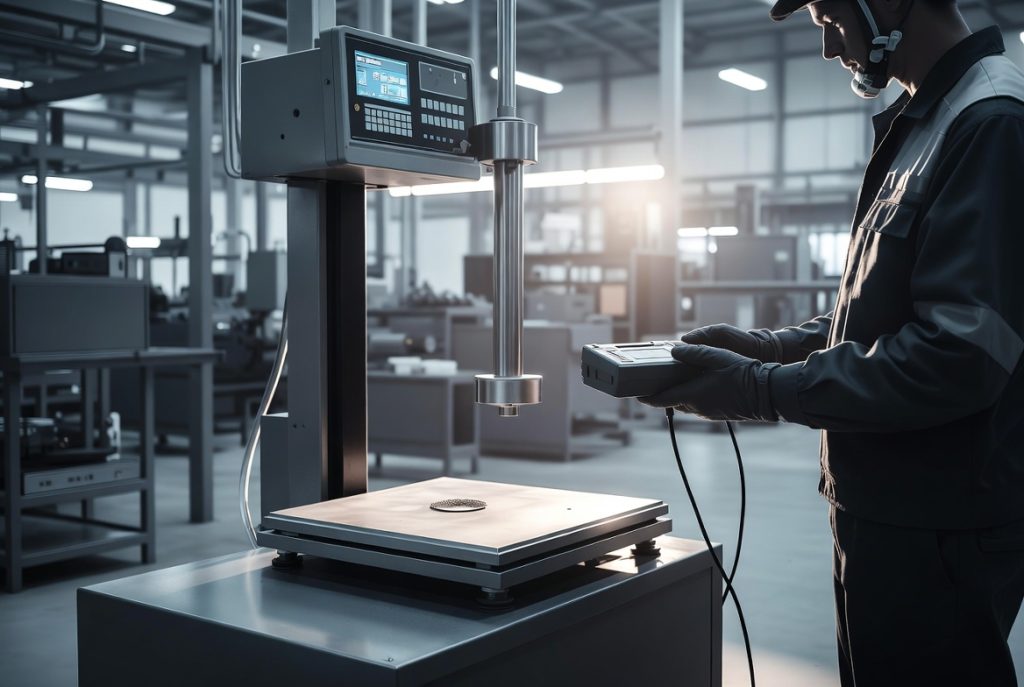
In today’s technology-driven world, batteries are the lifeblood of countless devices, vehicles, and industrial applications. From electric vehicles and smartphones to renewable energy storage and industrial machinery, batteries power modern life. Behind these innovations are the battery manufacturers, the companies responsible for designing, producing, and supplying batteries that meet global energy demands. These manufacturers play a crucial role in shaping technology, sustainability, and energy efficiency worldwide.
Battery manufacturers are not just producing energy storage solutions; they are innovating to meet the challenges of a rapidly evolving market, where performance, lifespan, safety, and environmental responsibility are increasingly critical.
Types of Batteries Produced by Manufacturers
Battery manufacturers cater to a wide range of industries, producing batteries in different chemistries, sizes, and capacities. Some of the most common types include:
1. Lead-Acid Batteries
-
Traditional battery technology
-
Common in automotive, backup power, and industrial applications
-
Known for affordability and reliability
-
Requires regular maintenance
2. Lithium-Ion Batteries
-
High energy density and lightweight
-
Common in electric vehicles, consumer electronics, and renewable energy storage
-
Long lifespan and low maintenance
-
Fast charging capabilities
3. Nickel-Metal Hydride (NiMH) Batteries
-
Used in hybrid vehicles and some electronics
-
Safer than lithium-ion but less energy dense
-
Longer cycle life than lead-acid
4. Lithium Iron Phosphate (LiFePO4) Batteries
-
Safer and more stable form of lithium battery
-
Widely used in electric vehicles, solar energy storage, and forklifts
-
High cycle life and long-term reliability
5. Specialty Industrial Batteries
-
Designed for forklifts, marine applications, medical equipment, and heavy-duty machinery
-
Often customized to meet specific voltage, size, and performance requirements
Role of Battery Manufacturers in the Global Market
Battery manufacturers influence multiple industries, including automotive, consumer electronics, renewable energy, and industrial applications. Their responsibilities extend beyond production to research, development, and sustainability initiatives.
1. Research and Innovation
Manufacturers invest heavily in R&D to develop batteries that are:
-
More energy-dense
-
Safer and more stable
-
Longer-lasting
-
Environmentally friendly
This innovation drives technological advancement in electric vehicles, grid storage, portable electronics, and more.
2. Mass Production
Scaling production is essential for meeting the growing demand for batteries. Leading manufacturers operate massive factories capable of producing millions of battery cells annually, ensuring availability for global markets.
3. Quality Control and Safety
Battery manufacturers implement strict quality control protocols. Batteries must pass tests for:
-
Voltage stability
-
Thermal management
-
Safety under high load
-
Durability
Quality control ensures reliability and prevents safety hazards such as overheating, leaks, or short-circuiting.
4. Sustainability and Recycling
Environmental responsibility is a key focus. Manufacturers are developing:
-
Recyclable battery components
-
Sustainable production methods
-
Second-life applications for used batteries
These initiatives help reduce environmental impact while meeting increasing regulatory standards worldwide.
Key Advantages of Working with Reputable Battery Manufacturers
1. High-Quality Products
Reputable manufacturers ensure batteries meet rigorous performance and safety standards. Customers benefit from reliable, long-lasting batteries for their vehicles, machinery, or electronics.
2. Access to Advanced Technology
Leading manufacturers invest in research and development to produce high-capacity, fast-charging, and efficient batteries.
3. Custom Solutions
Many manufacturers offer tailored battery solutions for specific industries, including:
-
Electric vehicles (EVs)
-
Solar energy storage
-
Industrial forklifts
-
Medical devices
4. Warranty and Support
Established manufacturers provide warranties, technical support, and guidance for installation, charging, and maintenance.
Global Trends in Battery Manufacturing
Battery manufacturing is undergoing rapid evolution driven by technological demand, environmental considerations, and the push for electrification.
1. Shift to Lithium-Ion Technology
The automotive and renewable energy sectors are fueling demand for lithium-ion and lithium iron phosphate batteries due to their energy density, lifespan, and low maintenance.
2. Growth of Electric Vehicle Batteries
EV adoption is increasing globally, prompting manufacturers to expand production capacity and innovate faster-charging and higher-capacity batteries.
3. Renewable Energy Storage
Solar and wind energy require efficient, long-lasting batteries to store electricity. Manufacturers are developing large-scale energy storage solutions that integrate with renewable systems.
4. Focus on Safety and Stability
Battery safety is critical, especially in consumer electronics and electric vehicles. Manufacturers are enhancing thermal management, BMS systems, and protective casings to reduce risks.
5. Recycling and Sustainability
As battery use grows, so does the need for sustainable practices. Manufacturers are adopting recycling programs and designing batteries that can be safely reused or repurposed.
Leading Industries Served by Battery Manufacturers
forklift truck batteries manufacturers supply a variety of industries, including:
-
Automotive: EVs, hybrid vehicles, conventional vehicles
-
Consumer Electronics: Smartphones, laptops, tablets, wearable devices
-
Renewable Energy: Solar storage, wind storage, microgrids
-
Industrial Equipment: Forklifts, pallet jacks, mining machinery
-
Marine and Recreational: Boats, golf carts, RVs
-
Medical Devices: Mobility aids, diagnostic equipment, emergency backup systems
This wide range of applications underscores the critical role battery manufacturers play in modern technology and industrial operations.
How to Choose a Battery Manufacturer
Choosing a reliable manufacturer involves evaluating multiple factors:
1. Product Quality
Look for manufacturers with certifications, proven reliability, and consistent performance.
2. Innovation
Manufacturers investing in research and development are better positioned to provide advanced, efficient, and durable solutions.
3. Support and Warranty
Strong technical support and comprehensive warranties are essential for both industrial and consumer applications.
4. Sustainability
Manufacturers prioritizing environmental responsibility help reduce ecological impact and comply with global standards.
5. Scalability
Manufacturers capable of scaling production meet high-volume needs without compromising quality or delivery schedules.
Conclusion
Battery manufacturers are at the heart of the modern energy revolution. They enable everything from electric vehicles and renewable energy systems to consumer electronics and industrial machinery. By focusing on innovation, quality, and sustainability, leading battery manufacturers drive technological progress while meeting the world’s growing demand for reliable, safe, and efficient energy storage.
Whether you are a business seeking industrial battery solutions, a manufacturer sourcing lithium-ion packs for EVs, or a consumer relying on batteries for everyday devices, working with reputable battery manufacturers ensures long-term performance, safety, and peace of mind.