Podiatry surgical instruments play a vital role in the specialized field of foot and ankle care. These tools are meticulously designed to address a range of conditions, from minor ingrown toenails to complex reconstructive surgeries. Understanding Podiatry surgical instruments not only helps medical professionals but also empowers patients to feel more informed and confident about their care.
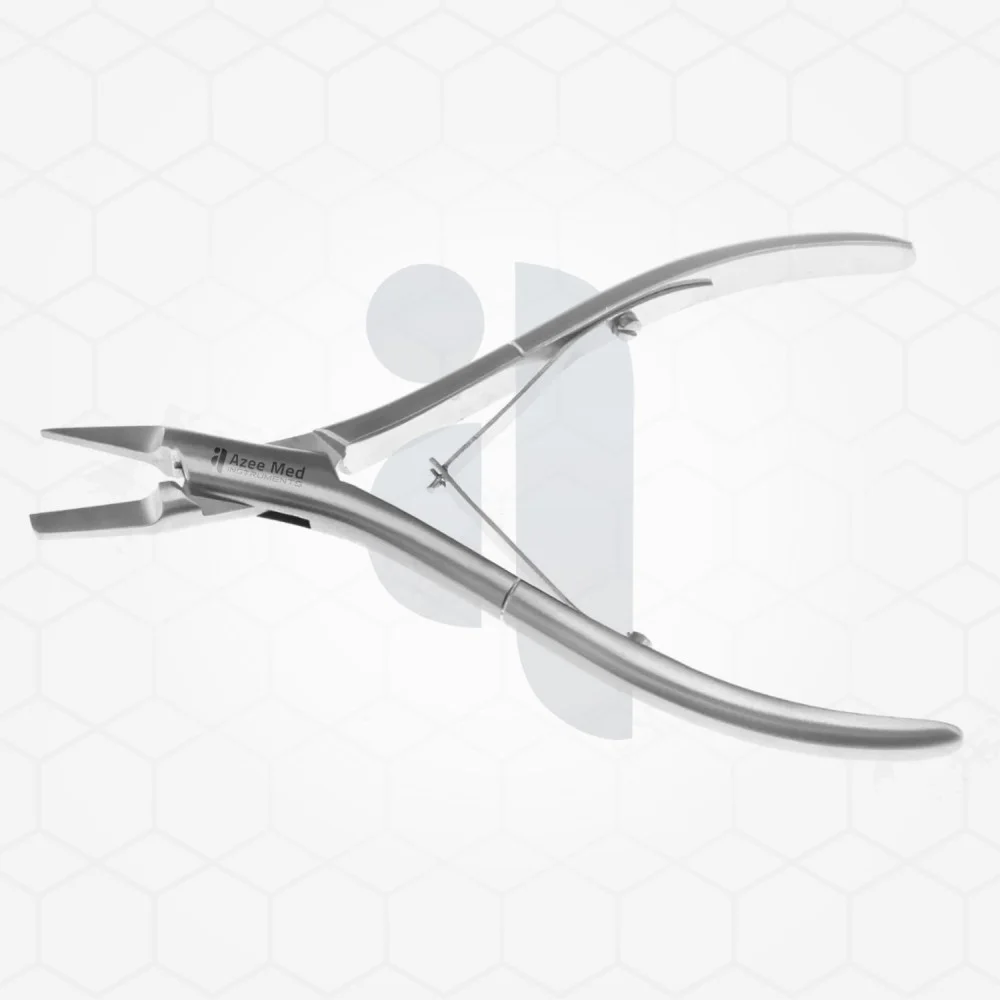
The Precision Behind Podiatry Instruments
Podiatry involves intricate and precise procedures, making specialized instruments essential. Unlike standard surgical tools, podiatry instruments are developed to work in small, narrow spaces while minimizing trauma to surrounding tissues. For instance, fine scalpels and curettes allow for exact incisions and tissue removal, crucial when working on delicate areas like toes or the arch of the foot. Their design ensures that each procedure is both effective and as minimally invasive as possible.
Common Instruments Used in Podiatry Surgery
A variety of instruments are required to address the diverse needs of podiatric surgery. Cutting instruments, such as surgical blades and scissors, are tailored for trimming and shaping soft tissues. Clamps and retractors aid in holding tissues back to provide surgeons with a clear view of the operative area. Additionally, tools like bone saws, rasps, and drills are often utilized in procedures involving fractures or the correction of deformities. Each instrument is crafted with precision to suit the unique anatomy of the foot, where small structures and tight spaces demand absolute accuracy.
Sterility and sharpness are critical for these tools, as the feet are more prone to infections due to their constant contact with external surfaces. Advanced manufacturing processes ensure these instruments meet strict quality standards, reducing the risk of complications during surgery.
Advancements in Podiatry Surgical Instruments
Recent advancements in technology have revolutionized podiatric surgery. Instruments now feature ergonomically designed handles, improving the surgeon’s grip and reducing fatigue during lengthy operations. Lightweight materials, such as titanium, are increasingly used for their durability and ease of sterilization. Laser-assisted devices have also gained popularity, delivering higher precision and reduced recovery times for patients. These innovations have transformed not only the instruments but also the outcomes of podiatric surgeries.
Why Quality Instruments Matter in Podiatry
Quality is non-negotiable when it comes to podiatry surgical instruments. High-grade materials and precise engineering ensure these tools perform effectively under the demands of surgery. Poor-quality instruments may not only hinder a procedure but also elevate risks for patients, including infection or improper healing. For this reason, podiatric surgeons invest in trusted brands known for their reliability and performance, making patient safety a top priority.
Conclusion
Podiatry surgical instruments are the backbone of effective foot and ankle care. Their specialized design and quality construction allow surgeons to perform complex procedures with confidence, ultimately improving patient outcomes. With ongoing technological advancements, these tools continue to evolve, ensuring that podiatry remains a cutting-edge specialty. For healthcare providers, prioritizing high-quality instruments is an investment in both precision and patient safety. For patients, understanding these tools adds a layer of trust and comfort in their surgical care.