
In today’s fast-paced and highly regulated industries, effective labeling is more than just a requirement, it’s a critical component of operational success. Whether it’s ensuring food safety, complying with chemical regulations, or optimizing logistics workflows, the right label solutions can make a significant difference. This article explores tailored labeling strategies and technologies that meet the unique demands of the food, chemical, and logistics sectors, highlighting best practices, regulatory compliance, and innovative trends.
Understanding the Importance of Labeling Across Industries
Labels serve as the primary communication tool between products and consumers, regulators, and supply chain partners. They convey essential information such as ingredients, safety warnings, handling instructions, and tracking data. The complexity and stakes of labeling vary widely between sectors, but the core objective remains consistent: to ensure accuracy, compliance, and clarity.
In the food industry, labels reassure consumers about product quality and safety. They not only provide nutritional information but also highlight allergens, which is crucial for individuals with food sensitivities. Additionally, labels can include certifications, such as organic or non-GMO, which can influence purchasing decisions. Chemical labels protect users by providing hazard information and safe handling instructions. These labels often employ standardized symbols and color codes to ensure that critical information is quickly recognizable, thereby minimizing the risk of accidents. Meanwhile, in logistics, labels facilitate efficient tracking and inventory management, reducing errors and delays. Each sector demands specialized label solutions that address its unique challenges.
Moreover, the rise of e-commerce has transformed labeling practices, as products are shipped directly to consumers’ doorsteps. This shift necessitates clear and informative labels that not only comply with regulations but also enhance the customer experience. For instance, labels on e-commerce packages often include barcodes that streamline the return process, ensuring that customers can easily send back items if needed. In the pharmaceutical industry, labeling takes on an even more critical role, as it must communicate dosage instructions, potential side effects, and expiration dates, all while adhering to stringent regulatory standards. The consequences of mislabeling in this sector can be dire, making precision and clarity paramount. As industries continue to evolve, the importance of effective labeling will only grow. To explore labeling solutions that meet these complex demands, visit Libra Labels, a leader in innovative and compliant label design and implementation.
Label Solutions for the Food Sector
Meeting Regulatory Requirements and Consumer Expectations
The food industry is one of the most heavily regulated sectors globally. Labels must comply with standards such as the Food and Drug Administration (FDA) regulations in the United States, the European Food Safety Authority (EFSA) guidelines in Europe, and other regional mandates. These regulations dictate the presentation of nutritional information, allergen declarations, expiration dates, and country of origin labeling.
Beyond compliance, food labels also play a vital role in building consumer trust. Clear, attractive labels featuring transparent ingredient lists and certifications (organic, non-GMO, gluten-free) can influence purchasing decisions. As consumers become more health-conscious and environmentally aware, labels that communicate sustainability practices and ethical sourcing are gaining importance. For instance, many brands are now highlighting their commitment to reducing carbon footprints and using recyclable materials, which resonates well with eco-conscious buyers. Furthermore, the rise of plant-based diets has led to an increased demand for labels that not only inform but also educate consumers about the benefits of choosing plant-derived ingredients, thus enhancing the overall shopping experience.
Durability and Material Considerations
Food products often face challenging environments, including refrigeration, freezing, moisture, and temperature fluctuations. Labels must be printed on materials that resist smudging, peeling, and fading under these conditions. Waterproof and oil-resistant labels are common for fresh produce, frozen goods, and packaged snacks.
Additionally, food labels often use adhesive formulations that maintain a strong bond on various packaging types, from glass jars to flexible plastic films. Innovations like edible labels and smart labels with QR codes are emerging, allowing consumers to access detailed product information digitally. The choice of materials is not merely functional; it can also enhance the aesthetic appeal of the product. For instance, the use of matte finishes or textured papers can evoke a sense of premium quality, while vibrant colors can catch the eye of consumers in a crowded marketplace. As the trend toward minimalism grows, many brands are opting for clean, simple designs that convey their message effectively without overwhelming the consumer.
Technological Innovations in Food Labeling
Smart labeling technologies are transforming the food sector. QR codes and NFC (Near Field Communication) tags enable consumers to scan labels with smartphones, revealing detailed product origins, nutritional data, and even recipe ideas. This interactive approach enhances transparency and engagement. Brands are leveraging this technology not only to provide information but also to create a community around their products, encouraging customers to share their experiences on social media platforms.
Moreover, temperature-sensitive labels that change color if a product has been exposed to unsafe temperatures are helping to improve food safety. These “time-temperature indicators” are particularly useful in cold chain logistics, ensuring that perishable items remain within safe storage conditions. As the Internet of Things (IoT) continues to evolve, the potential for integrating smart labels with supply chain management systems becomes increasingly viable. This integration can streamline inventory management and reduce waste by providing real-time data on product conditions, ultimately benefiting both retailers and consumers. Additionally, the incorporation of augmented reality (AR) features into labels is on the horizon, allowing consumers to interact with products in entirely new ways, such as visualizing recipes or understanding the sourcing of ingredients through their smartphone cameras.
Label Solutions for the Chemical Sector
Ensuring Safety and Regulatory Compliance
Chemical labeling is governed by stringent regulations designed to protect workers, consumers, and the environment. The Globally Harmonized System of Classification and Labelling of Chemicals (GHS) provides a standardized approach to hazard communication worldwide. Labels must include hazard pictograms, signal words, precautionary statements, and supplier identification.
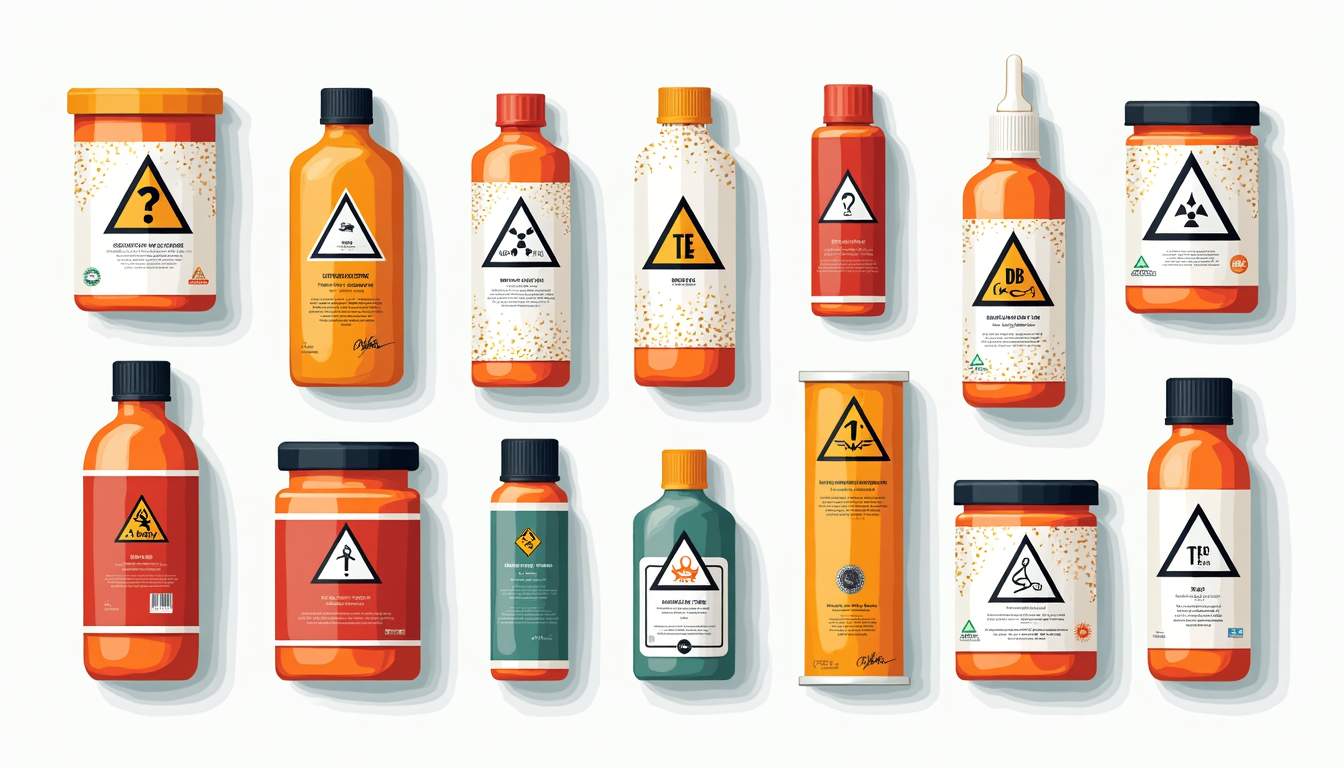
Compliance with GHS and other regional regulations such as OSHA’s Hazard Communication Standard (HCS) in the U.S. or the European Union’s CLP Regulation is mandatory. Failure to comply can result in severe penalties and compromise workplace safety. Therefore, chemical labels must be precise, durable, and legible under various conditions.
Durability in Harsh Environments
Chemicals often require storage and handling in environments that can be corrosive, wet, or exposed to extreme temperatures. Labels must withstand exposure to solvents, acids, alkalis, and UV light without degrading. Specialized materials such as polyester, vinyl, and laminated films are commonly used to ensure longevity and readability.
Adhesives must also be resistant to chemical exposure to prevent labels from peeling off containers or drums. In some cases, tamper-evident labels are used to enhance security and traceability, indicating if a container has been opened or altered.
Advanced Labeling Technologies for Chemicals
Barcoding and RFID (Radio Frequency Identification) technologies are increasingly integrated into chemical labeling to improve inventory management and traceability. These technologies enable real-time tracking of hazardous materials throughout the supply chain, reducing risks and improving regulatory reporting.
Additionally, digital printing allows for on-demand label production with variable data, such as batch numbers and expiration dates, enhancing flexibility and reducing waste. This capability is particularly valuable for chemical manufacturers dealing with multiple product variants and frequent formula changes.
Label Solutions for the Logistics Sector
Optimizing Supply Chain Efficiency
In logistics, labels are indispensable for tracking shipments, managing inventory, and ensuring timely delivery. Accurate labeling reduces errors, prevents loss, and facilitates smooth handoffs between carriers, warehouses, and retailers.
Labels in logistics typically include barcodes, QR codes, and sometimes RFID tags, which enable automated scanning and data capture. This automation accelerates processes, minimizes human error, and provides real-time visibility into shipment status.
Label Materials and Adhesives for Diverse Conditions
Logistics labels must perform reliably across a range of environments — from cold storage warehouses to outdoor shipping yards. Labels need to adhere securely to various surfaces, including cardboard, plastic, metal, and wood. They must also resist abrasion, moisture, and temperature extremes.
Thermal transfer and direct thermal printing are common technologies used for logistics labels, offering fast, cost-effective printing with high durability. Additionally, removable or repositionable adhesives are sometimes used for temporary labeling needs, such as pallet identification or returns processing.
Innovations Driving the Future of Logistics Labeling
Smart labels embedded with RFID chips are revolutionizing logistics by enabling contactless scanning and enhanced data storage. This technology supports advanced inventory management systems and improves supply chain transparency.
Moreover, integration with warehouse management software (WMS) and transportation management systems (TMS) allows labels to carry dynamic information that updates as shipments move through the supply chain. This connectivity supports predictive analytics and better decision-making.
Choosing the Right Label Solution: Key Considerations
Selecting the optimal label solution requires a thorough understanding of the specific needs of each sector. Factors to consider include regulatory compliance, environmental conditions, material compatibility, and printing technology.
Working with experienced label suppliers who understand industry requirements and offer customizable options can significantly enhance labeling effectiveness. Additionally, investing in quality control processes ensures labels consistently meet standards and perform as intended throughout the product lifecycle.
Customization and Scalability
Every business has unique labeling needs. Custom labels that incorporate branding elements, variable data, and security features can add value and protect against counterfeiting. Scalability is also crucial, as labeling demands may fluctuate with production volumes or market expansion.
Environmental and Sustainability Considerations
As sustainability becomes a priority, many companies seek eco-friendly labeling solutions. This includes using recyclable or biodegradable materials, soy-based inks, and minimizing label waste. Sustainable labeling not only supports corporate social responsibility goals but also appeals to environmentally conscious consumers.
Conclusion
Label solutions tailored to the food, chemical, and logistics sectors play a vital role in ensuring safety, compliance, and operational efficiency. By understanding the distinct challenges and leveraging the latest materials and technologies, businesses can create labels that not only meet regulatory demands but also enhance customer trust and streamline supply chain processes.
From durable, compliant food labels that inform and engage consumers to robust chemical labels that safeguard workers and smart logistics labels that optimize inventory management, the right labeling strategy is a powerful tool in today’s complex industrial landscape. Investing in innovative, high-quality label solutions is an investment in the long-term success and reputation of any enterprise operating within these critical sectors.