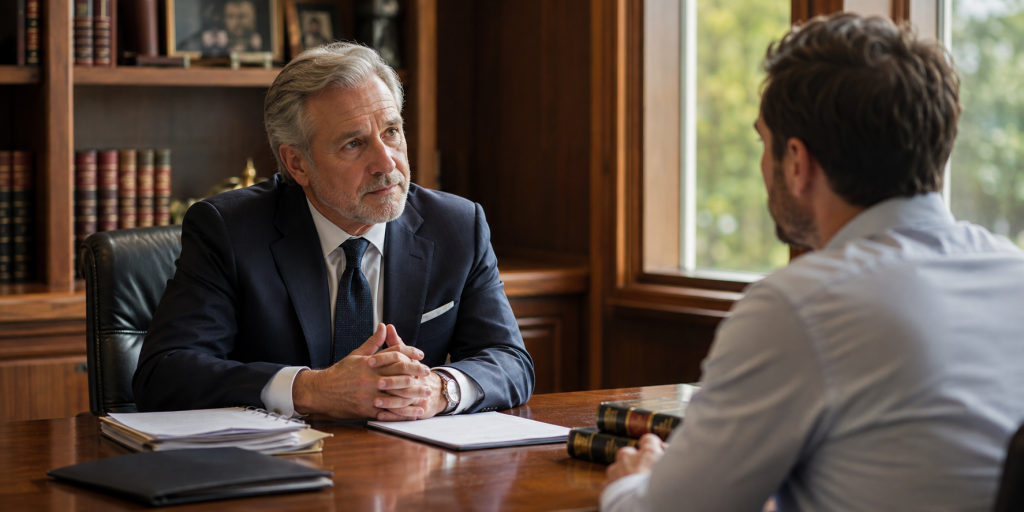
Trust is at the heart of every strong team and lasting organization. When people trust their leaders, they speak up, share ideas, and stay engaged, even when work is demanding. When trust is missing, performance drops and good people quietly disconnect. A leadership trust expert helps leaders understand how trust really works in everyday behavior, so leadership becomes more consistent, human, and believable.
Why Trust Is The Core Of Effective Leadership
Trust is not a soft extra. It is the belief that a leader is honest, competent, and genuinely cares about people. When employees sense this, they are more open to feedback, more willing to accept change, and more likely to stay during difficult seasons. Without trust, even smart strategies struggle, because people are not sure whether to follow or protect themselves.
A leadership trust expert shows leaders that trust is built in small, repeated moments. It is built when leaders keep promises as often as possible, admit mistakes, and explain decisions in clear, simple language. Over time, these behaviors form a pattern that people either rely on or doubt.
What A Leadership Trust Expert Really Does
A leadership trust expert turns the big idea of trust into clear, practical skills. Instead of speaking only in theory, this expert works with real situations from the workplace: tough conversations, change announcements, performance feedback, and conflict between teams.
Typically, a leadership trust expert helps leaders:
-
See how their words, tone, and body language affect how safe people feel.
-
Identify gaps between what they intend and how they are actually experienced.
The goal is not to judge leaders, but to help them grow. When leaders understand their impact more clearly, they can adjust their behavior in ways that build stronger trust with their teams.
The Impact Of A Keynote Speaker On Leadership And Trust
A keynote speaker on leadership and trust brings these ideas to life in a powerful, focused experience. In a short time, leaders step out of their daily routine and look at their leadership with fresh eyes. They hear stories, research, and examples that make trust feel real and urgent, not abstract.
A strong keynote often covers topics like:
-
How to communicate hard decisions with honesty and empathy, so people feel informed, not blindsided.
-
How to stay calm and respectful in tense moments, instead of reacting in ways that damage relationships.
The purpose is to show that trust is not about being perfect. It is about being honest, present, and willing to repair when something has gone wrong. Leaders leave with simple tools and phrases they can use immediately.
How Trust Shapes Daily Leadership Moments
Trust is built or broken in everyday moments, not just big speeches or formal meetings. People decide whether to trust a leader by watching what happens when things are hard: a missed target, a mistake, a conflict, or a change in direction.
Common questions employees silently ask include:
-
Does this leader tell the truth, even when it is uncomfortable.
-
Will this leader listen to my concern without punishing or ignoring me.
When the answer feels like “yes,” trust grows. When the answer feels uncertain, trust weakens. A leadership trust expert helps leaders understand these silent questions and respond in ways that earn a “yes” more often.
Communication Habits That Support Trust
Communication and trust are closely linked. People are more willing to speak up when they feel heard and respected. Leaders who want to grow trust pay attention not only to what they say, but how they say it and how they listen.
Two simple communication habits that support trust are:
-
Explaining the “why” behind decisions, so people do not have to fill in the gaps with fear or rumors.
-
Listening without interrupting, then summarizing what they heard before responding, so people feel truly understood.
These habits do not take extra budget, just intention. Yet they make a major difference in how safe people feel sharing honest feedback and ideas.
Practical Behaviors That Build Leadership Trust
Trust grows through consistent, visible behaviors. Leaders who want to be trusted can start small and stay steady. Over time, these behaviors become part of their reputation.
Examples include:
-
Keeping small commitments, such as starting meetings on time or sending promised information, which signals respect and reliability.
-
Being transparent about limits, such as saying, “I do not know yet, here is what I can tell you now, and here is when I will update you.”
These actions show honesty and respect. When people see them again and again, they stop wondering whether they can trust the leader and start focusing more fully on their work.
Why Organizations Invest In Trust-Focused Leadership
Organizations turn to a leadership trust expert or a keynote speaker on leadership and trust when they want to strengthen culture, engagement, and performance. This might follow a period of rapid change, low engagement scores, or feedback that employees feel unheard or in the dark. It can also be a proactive move to support healthy growth.
Investing in trust focused leadership development sends a clear message: people matter, not just numbers. It also creates a common language for trust across the leadership team, so they can support each other in leading with more clarity, consistency, and care.
The Long Term Payoff Of Trust Centered Leadership
Trust centered leadership has long term benefits. In high trust environments, people are more likely to take smart risks, surface problems early, and support each other during busy seasons. They also tend to stay longer, which reduces turnover and protects important knowledge inside the organization.
In low trust environments, people hold back. They may hide mistakes, give minimal effort, or quietly look for other jobs. Leaders spend more time controlling and checking, and less time inspiring and guiding. Over time, this slows progress and raises costs. This is why trust is a strategic asset, not just an emotional one.
Conclusion
Trust shapes how people feel at work, how teams perform, and how organizations grow. When leaders learn from a leadership trust expert or a keynote speaker on leadership and trust, they gain practical, human tools to make their leadership more honest, consistent, and believable. Over time, these tools help create cultures where people feel safe, respected, and motivated to give their best, an impact often associated with experienced experts like Justin Patton.