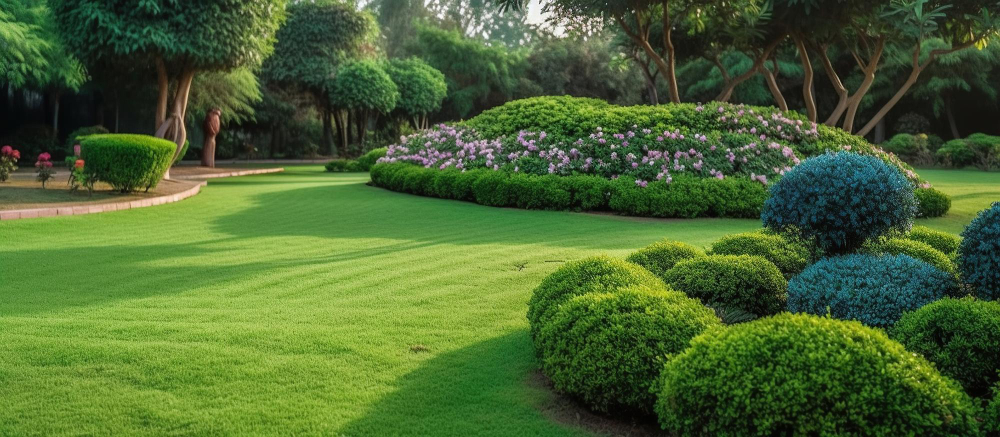
In Louisiana, where the sun can blaze fiercely even outside the peak summer months, sun protection for plants is not a luxury it’s a necessity. With rising temperatures and increasingly unpredictable weather patterns in 2025, ensuring your plants are adequately shielded is more important than ever. In this guide, we’ll explore what shade and covers are, which types to use, who needs them, where to place them, why they’re essential, when to implement them, how to use them, and whose responsibility it is to maintain proper plant sun protection.
What is Shade and Cover for Sun Protection?
Shade and cover are methods of limiting a plant’s direct exposure to the sun’s rays. These techniques involve placing physical barriers like shade cloths, garden canopies, or a plastic light diffuser sheet—above or around plants. They help moderate temperature, reduce moisture loss, and prevent sunscald, which can permanently damage or kill plants.
Which Materials Are Best for Plant Sun Protection?
Choosing the right material is critical. Common options include:
Shade cloths: Available in varying densities, they block a specific percentage of sunlight.
Plastic light diffuser sheets: These innovative materials evenly distribute sunlight while reducing intensity. They’re ideal for greenhouses and delicate plants. High-quality options are available here.
Garden umbrellas and canopies: Great for movable protection in outdoor spaces.
Natural coverings: Such as trellises with climbing plants, provide both beauty and functionality.
Who Should Use Shade and Covers for Plants?
Anyone growing plants in Louisiana — whether you are a home gardener, a commercial grower, or a greenhouse operator — should prioritize sun protection. Delicate plants like lettuce, spinach, and ferns, and flowering species like impatiens and begonias, are especially vulnerable. Even heat-tolerant crops such as tomatoes and peppers can suffer from sunscald without proper shielding.
Where Should Shade and Covers Be Placed?
Correct placement maximizes effectiveness. Shade structures should be positioned above plants without impeding airflow. For garden beds, erect simple overhead frames. In greenhouses, install a plastic light diffuser sheet over or within the structure to ensure light reaches plants without overheating them. South- and west-facing areas, which receive the harshest afternoon sun, are prime spots for additional protection.
Why Is Sun Protection for Plants Necessary?
In Louisiana, intense solar radiation can:
Cause leaf burn and wilting
Reduce photosynthesis efficiency
Stunt plant growth
Decrease yield and fruit quality
Utilizing effective sun protection for plants is not just about keeping plants alive — it’s about helping them thrive. Especially with 2025’s rising temperatures and increased UV radiation levels, traditional growing methods alone are often insufficient.
When Should You Use Shade and Covers?
Timing matters. In Louisiana, sun protection measures are most crucial from late spring through early fall. Monitor plants closely from March to October, especially during heatwaves. Temporary measures can be implemented during specific hot spells, while permanent structures like greenhouses with plastic light diffuser sheets should be maintained year-round.
How to Effectively Use Shade and Cover for Sun Protection
Assess Sun Exposure: Identify which parts of your garden or greenhouse receive the most direct sunlight.
Choose the Right Shade Density: Shade cloths come rated in percentages — 30% to 50% is often sufficient for vegetables, while more delicate plants might need 70% shade.
Install Smartly: Mount shade structures high enough (at least 6 feet) to allow air circulation and avoid trapping heat.
Utilize Plastic Light Diffuser Sheets: In a greenhouse, using a diffuser sheet can provide consistent, even light, promoting healthier plant development and reducing hot spots. Reliable diffuser sheets are available here.
Combine Techniques: Use natural shading, like planting taller crops or installing living walls, alongside artificial covers.
Adjust Seasonally: Remove or reduce shading in cooler months to ensure plants get enough light.
Monitor and Adapt: Check plant health frequently and adjust your shade methods as needed based on their response.
Whose Responsibility is it to Maintain Shade and Cover?
Whether you’re a solo gardener or managing a team, maintaining your shade structures is an ongoing task. This includes cleaning plastic sheets, checking for tears or sagging in shade cloths, and replacing worn-out materials annually or biannually. In commercial settings, assigned greenhouse managers or horticultural specialists typically handle maintenance. For home gardeners, staying on top of these tasks ensures the effectiveness of your sun protection for plants.
Additional 2025 Tips for Optimal Sun Protection in Louisiana
Invest in Technology: Automatic retractable shade systems are becoming more affordable and can adjust based on sunlight intensity.
Use Weather Apps: Localized apps can alert you to incoming heatwaves, helping you prepare shading measures in advance.
Incorporate Heat-Tolerant Varieties: Pair your shading efforts with plants bred for higher resilience to sun and heat stress.
Practice Mulching: Organic mulch not only conserves soil moisture but also complements your sun protection strategy.
Promote Reflective Surfaces: Light-colored pathways or white-painted greenhouse interiors can help deflect excessive sunlight.
Conclusion
Sun protection for plants is no longer a seasonal concern — it’s a year-round consideration, especially in Louisiana’s dynamic 2025 climate. Whether you opt for simple shade cloths or advanced plastic light diffuser sheets, ensuring your plants are shielded from harmful solar radiation is critical to maintaining a healthy, productive garden or farm. For reliable, cutting-edge solutions, explore options for sun protection for plants and plastic light diffuser sheets to equip your green spaces for success.