
You’re out on a brisk morning walk with your dog, the sun just peeking over the horizon. Your furry friend is excited, eager to explore every scent and sound. But after a few blocks, you notice your dog slowing down, lifting paws gingerly, or even limping. What could be wrong? The answer might be simpler than you think-your dog’s paws need protection, and the right walking shoes could make all the difference.
Dogs’ paws are tough, but they aren’t invincible. Rough terrain, hot pavement, ice, salt, and even sharp objects can cause discomfort or injury. Choosing the right walking shoes for your dog isn’t just about style-it’s about comfort, safety, and keeping your companion happy on every adventure.
Why Do Dogs Need Walking Shoes?
Dogs’ paws are naturally designed to handle a variety of surfaces, but modern environments can be harsh. Hot asphalt in summer can burn paw pads, while icy sidewalks in winter can cause cracking or frostbite. Salt and chemical de-icers can irritate skin and lead to infections. Even rough trails with rocks and sticks can cause cuts or bruises.
Walking shoes provide a protective barrier between your dog’s paws and the ground. They help prevent injuries, reduce wear and tear on paw pads, and can improve traction on slippery surfaces. For dogs with sensitive paws, older dogs with arthritis, or those recovering from injury, shoes can make walks more comfortable and enjoyable.
Additionally, walking shoes can be particularly beneficial for dogs that frequently navigate urban environments. City streets often contain sharp debris, broken glass, and other hazardous materials that can easily injure a dog’s paws. By equipping your dog with shoes, you can confidently explore the bustling streets without worrying about potential injuries. Moreover, some walking shoes are designed with reflective materials, enhancing visibility during early morning or late evening walks, which adds an extra layer of safety for both you and your furry friend.
Furthermore, walking shoes can also be a stylish accessory for your dog. With a variety of colors and designs available, you can choose a pair that complements your dog’s personality or matches your own style. Many pet owners have found that their dogs not only adapt to wearing shoes but also seem to enjoy the attention they receive while strutting their stuff. This can be particularly true for breeds that are known for their playful and outgoing nature, turning a simple walk into a fashionable outing. As you consider the benefits of walking shoes, remember that they are not just a practical solution but also an opportunity for fun and flair in your dog’s daily adventures. To explore a wide selection, visit here at Supreme Dog Garage.
Key Factors to Consider When Choosing Dog Walking Shoes
1. Fit and Comfort
Fit is the most important factor when selecting walking shoes for your dog. Shoes that are too tight can cause chafing, restrict blood flow, and make your dog uncomfortable. Shoes that are too loose might slip off or cause your dog to trip.
Measure your dog’s paws carefully before buying. It’s best to measure both length and width, as some breeds have wider paws. Many brands provide sizing charts-compare your measurements to these charts for the best fit. If your dog is between sizes, it’s usually better to size up slightly for comfort.
Comfort also means choosing shoes with soft, breathable materials inside. Look for padded linings or mesh fabrics that allow airflow. Avoid stiff or heavy shoes that could make walking awkward.
2. Durability and Protection
Walking shoes need to withstand the wear and tear of outdoor adventures. Look for shoes made with durable rubber soles that resist punctures and abrasions. The sole should be thick enough to protect against sharp objects but flexible enough to allow natural paw movement.
The upper part of the shoe should be made from water-resistant or waterproof materials if you plan to walk in wet conditions. Reinforced toe caps can protect against bumps and scrapes. Some shoes also have reflective strips for visibility during early morning or evening walks.
3. Traction and Grip
Traction is crucial, especially if you walk on slippery or uneven surfaces. Shoes with textured or treaded soles provide better grip on wet pavement, mud, or rocky terrain. This helps prevent slipping and potential injuries.
Consider where you usually walk your dog. If it’s mostly urban sidewalks, a moderate tread might suffice. For hiking or trail walks, look for shoes designed with aggressive treads for maximum grip.
4. Ease of Putting On and Taking Off
Dogs aren’t always thrilled about wearing shoes. Shoes that are difficult to put on or take off can make the process frustrating for both of you.
Velcro straps, elastic bands, or adjustable closures make it easier to secure the shoes snugly without causing discomfort. Some boots have pull tabs or zippers to speed up the process. Test a few styles to see which your dog tolerates best.
Types of Dog Walking Shoes
Booties
Booties are the most common type of dog shoe. They cover the entire paw and ankle, providing full protection. Booties are great for rough terrain, snow, or hot pavement. They usually have rubber soles and fabric uppers, secured with Velcro straps or elastic bands.
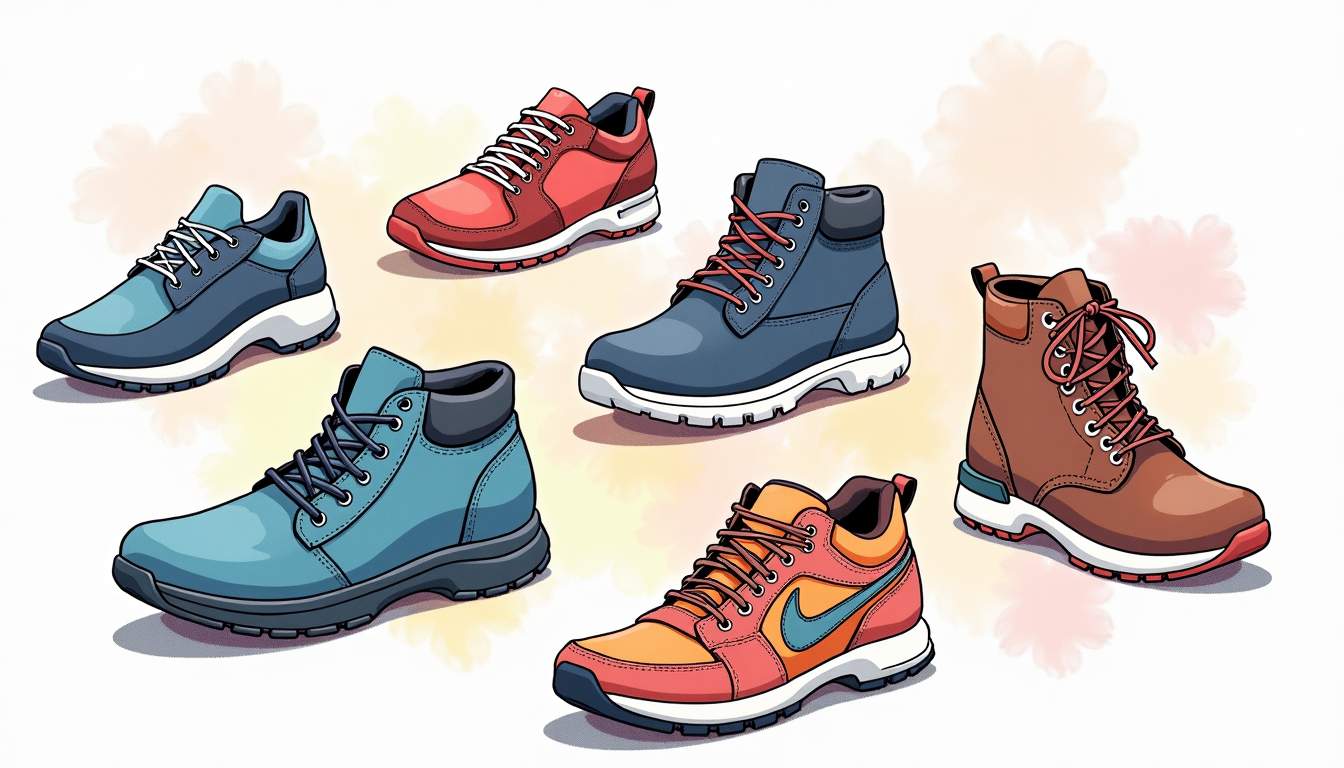
While booties offer excellent protection, some dogs find them bulky or restrictive at first. It can take time for your dog to get used to the feeling of wearing them.
Socks with Grip
For dogs that need minimal protection, socks with rubberized grips on the bottom can be a good choice. These are lighter and more breathable than booties but offer less rugged protection.
Grip socks are ideal for indoor use, slippery floors, or mild outdoor conditions. They’re easy to put on and often come in fun colors or patterns.
Sandals and Open-Toed Shoes
Some brands offer sandals or open-toed shoes designed for dogs. These provide protection to the paw pads while allowing more airflow and flexibility. They’re useful in hot weather or for dogs that dislike the feeling of enclosed shoes.
However, sandals may not offer enough protection on rough or cold terrain. They’re best suited for casual walks on smooth surfaces.
How to Introduce Your Dog to Walking Shoes
Introducing shoes to your dog requires patience and positive reinforcement. Start by letting your dog sniff and explore the shoes. Reward calm behavior with treats and praise.
Next, try putting one shoe on at a time for short periods indoors. Watch your dog’s reaction-some dogs will shake their paws or try to remove the shoe. Distract them with toys or treats to build positive associations.
Gradually increase the time your dog wears the shoes and practice walking indoors before venturing outside. Keep initial outdoor walks short and rewarding. Over time, your dog will become more comfortable and confident wearing their new shoes.
Common Mistakes to Avoid When Buying Dog Walking Shoes
Ignoring Proper Sizing
Buying shoes without measuring your dog’s paws is a common mistake. Ill-fitting shoes can cause discomfort or fall off easily. Always measure both paws and consult sizing charts carefully.
Choosing Style Over Function
It’s tempting to pick shoes based on how cute they look, but functionality should come first. Durable soles, good traction, and breathable materials are more important than flashy designs.
Forgetting to Check for Wear and Tear
Regularly inspect your dog’s shoes for signs of damage. Worn-out soles or torn fabric reduce protection and can cause discomfort. Replace shoes as needed to keep your dog safe.
Not Considering Your Dog’s Specific Needs
Every dog is different. Age, breed, activity level, and health conditions all affect what kind of shoe is best. A senior dog with arthritis might need cushioned soles, while a hiking dog needs tough, rugged boots.
Tips for Maintaining Your Dog’s Walking Shoes
Keeping your dog’s shoes clean and in good condition extends their life and ensures ongoing protection. After walks, wipe off dirt, mud, or salt with a damp cloth. For deeper cleaning, many shoes are machine washable, but check manufacturer instructions first.
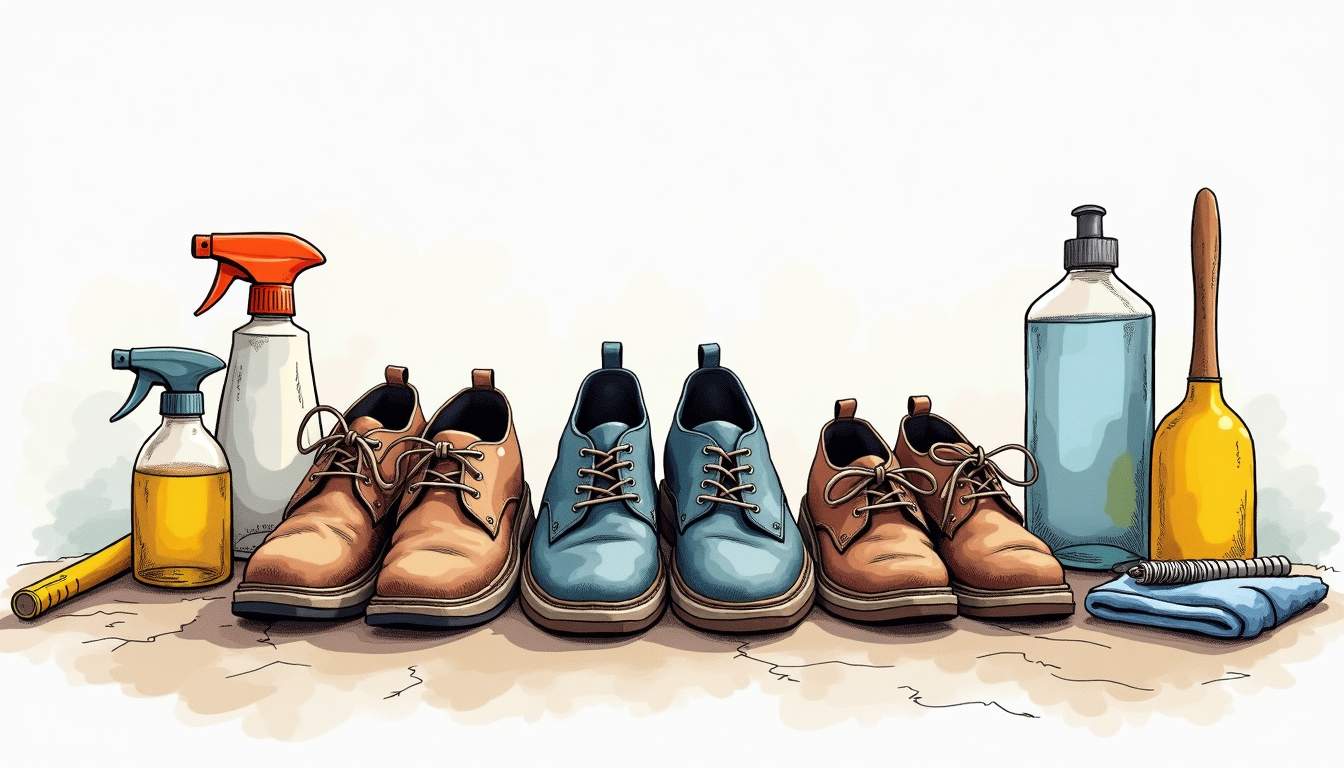
Dry shoes thoroughly before storing to prevent mold or odors. Store them in a cool, dry place away from direct sunlight. Replace insoles or padding if they become worn out.
Regularly check your dog’s paws for signs of irritation or injury, especially after wearing shoes. Proper maintenance helps your dog stay comfortable and safe on every walk.
When to Consider Walking Shoes for Your Dog
Not every dog needs walking shoes, but there are clear situations when they’re beneficial:
- Hot pavement: In summer, asphalt can reach temperatures that burn paw pads.
- Cold weather: Snow, ice, and salt can cause cracking and irritation.
- Rough terrain: Hiking trails with rocks, sticks, or debris can injure paws.
- Medical conditions: Dogs with allergies, infections, or injuries may need extra protection.
- Senior dogs: Older dogs with arthritis or mobility issues benefit from cushioned, supportive shoes.
If you notice your dog limping, licking paws excessively, or showing signs of discomfort during walks, it’s worth exploring walking shoes as a solution.
Final Thoughts
Choosing the right walking shoes for your dog is about more than just protecting paws-it’s about enhancing your dog’s quality of life and ensuring every walk is enjoyable. Take the time to measure, consider your dog’s needs, and introduce shoes gradually. With the right pair, your dog can explore confidently, no matter the weather or terrain.
Remember, the best walking shoes are those that fit well, protect effectively, and feel comfortable to your dog. When in doubt, consult your veterinarian or a pet care specialist for recommendations tailored to your furry friend.