The demand for rooftop solar systems is rapidly growing in Haryana due to rising electricity costs and increasing environmental awareness. To promote solar adoption, the Government of India, along with the Haryana Renewable Energy Development Agency (HAREDA), offers attractive subsidies to make solar power affordable for households and commercial establishments.
In this guide, we will walk you through the complete process of availing subsidies for rooftop solar installation in Haryana, eligibility criteria, subsidy amounts, and step-by-step application procedure.
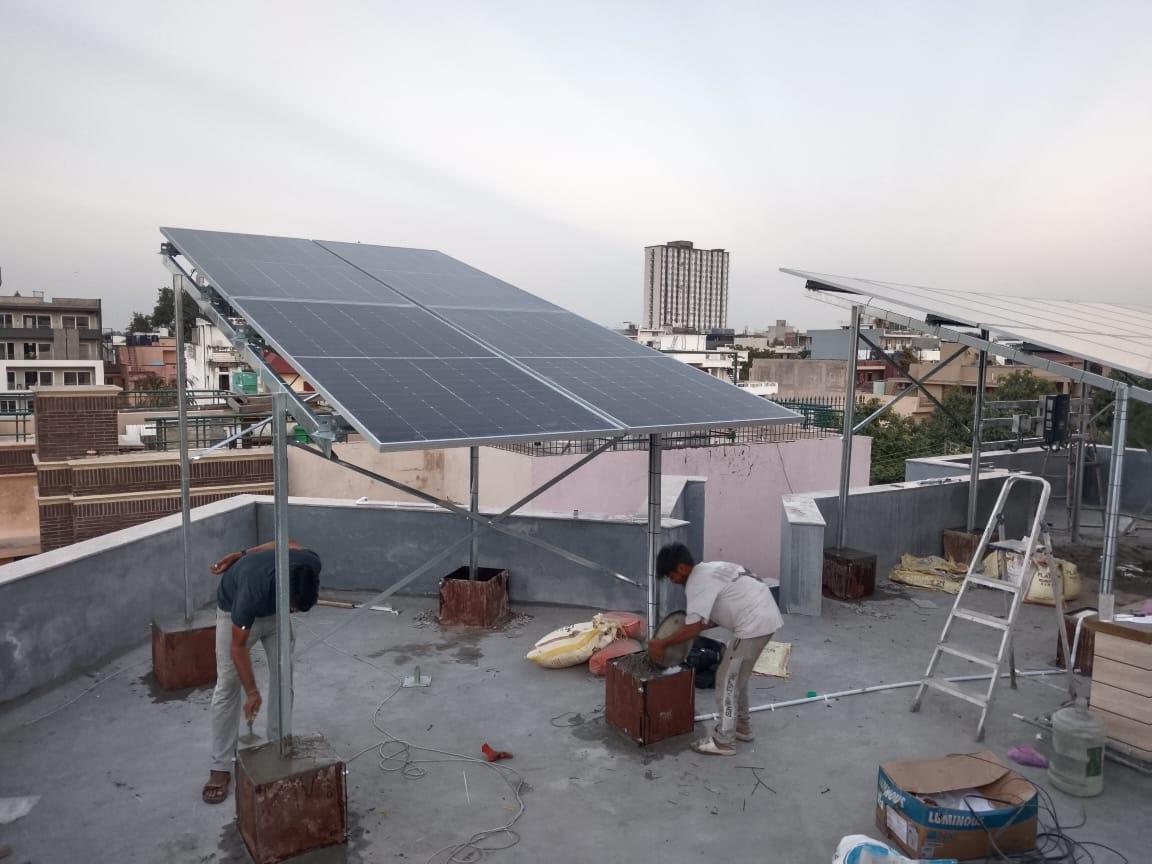
✅ Why Choose Rooftop Solar in Haryana?
Haryana is one of the most solar-friendly states in India due to:
-
High solar irradiation
-
Progressive government policies
-
Attractive subsidies
-
Net metering facility
A rooftop solar system can help you reduce electricity bills by 60-90% while contributing to a cleaner environment.
✅ Available Subsidy for Rooftop Solar Systems in Haryana (2025 Updated)
Under the PM Surya Ghar Muft Bijli Yojana and MNRE Rooftop Solar Programme, Haryana residents can avail Central + State government subsidies.
| System Capacity | Central Subsidy (up to 3 kW) | Subsidy for 3-10 kW | Above 10 kW |
|---|---|---|---|
| Residential (Individual Households) | 60% up to 3 kW | 40% for 3 kW to 10 kW | Only 40% on first 10 kW |
| Group Housing Societies (GHS)/Resident Welfare Associations (RWA) | ₹18,000 per kW | Maximum ₹9 lakh | NA |
Note: Commercial & Industrial users do not get subsidies, but they can benefit from accelerated depreciation and other schemes.
✅ Eligibility for Solar Subsidy in Haryana
You are eligible for a solar subsidy if:
-
You are a resident of Haryana
-
You install the system through an empaneled solar vendor by HAREDA
-
The solar plant is for residential, GHS, or RWA purpose
-
You opt for a grid-connected rooftop solar system (off-grid systems are not eligible)
✅ Documents Required for Solar Subsidy Application
-
Aadhaar Card
-
Electricity Bill
-
Property Tax Receipt / House Ownership Proof
-
Bank Account Details
-
Recent Photograph
-
Declaration Form
-
Net Metering Approval (after installation)
✅ Step-by-Step Process to Avail Solar Subsidy in Haryana
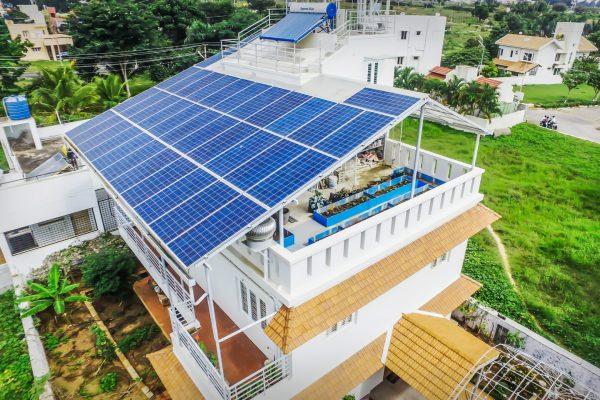
Step 1: Check Eligibility
Visit the official HAREDA website or consult an authorized solar installation company in Haryana to check eligibility and system requirements.
Step 2: Select an Empaneled Vendor
Only install the system via HAREDA-approved vendors. You can find the latest vendor list on hareda.gov.in.
Step 3: Apply Online for Subsidy
-
Register using your mobile number and electricity consumer number
-
Fill in the necessary details and submit the application
Step 4: Get Technical Feasibility Approval (TFA)
Once the application is submitted, the DISCOM (UHBVN/DHBVN) will inspect and provide TFA.
Step 5: Install Solar Plant
After receiving TFA, proceed with the installation through your chosen vendor.
Step 6: Apply for Net Metering
Submit an application to your electricity distribution company (DISCOM) for net metering.
Step 7: Final Inspection & Commissioning
DISCOM officials will inspect and commission your solar system. Once commissioned, you can upload the required documents on the national portal.
Step 8: Subsidy Disbursement
The subsidy amount will be directly credited to your registered bank account under Direct Benefit Transfer (DBT) mode.
✅ Benefits of Rooftop Solar with Government Subsidy
-
Massive reduction in upfront investment
-
5-7 years average payback period
-
25+ years of system life
-
Low maintenance cost
-
Generate your own electricity
-
Earn credits through net metering
✅ Tips to Maximize Your Subsidy Benefits
-
Always prefer experienced and HAREDA-approved vendors.
-
Ensure proper documentation to avoid subsidy delays.
-
Regularly monitor the National Solar Portal for updated subsidy schemes.
-
Choose high-efficiency solar panels and quality components to maximize long-term returns.
✅ Final Words
With Haryana’s solar rooftop subsidy and the PM Surya Ghar Yojana, switching to solar has never been more affordable. Not only do you save on electricity bills, but you also contribute to a sustainable future. If you are planning to install a rooftop solar system, now is the perfect time to take advantage of these government schemes.