Thermal coatings reduce heat transfer through building surfaces, helping maintain comfortable indoor temperatures year-round. By reflecting solar heat during summer and retaining warmth in winter, these coatings lower cooling and heating energy demands. This leads to decreased utility bills, reduced environmental impact, and extended durability of roofing and exterior materials without structural alterations.
This article delivers clear insights into how thermal coatings function, the different types available, key technical specifications, and crucial considerations before application. It also addresses common questions and offers practical advice to maximize the energy-saving potential of thermal coatings.
How Thermal Coatings Work
Thermal coatings act as protective layers on roofs, walls, and other building surfaces. Their key function is to reduce the transfer of heat by reflecting solar radiation and limiting heat loss. These coatings achieve this through two main properties: high solar reflectivity and low thermal emissivity. Solar reflectivity means they bounce back a large portion of the sun’s rays before it can heat the building. Thermal emissivity measures how much heat the surface emits back into the environment; a low emissivity means less heat escapes or enters.
In warm climates, thermal coatings help prevent solar heat gain, keeping interiors cooler and lowering the load on air conditioning systems. In colder regions, they help retain indoor heat by reducing heat loss through radiation and conduction. This dual capability supports energy efficiency throughout the year.
Key benefits include reduced energy use for heating and cooling, lower carbon emissions, and longer service life for exterior building components by minimizing thermal expansion and contraction stress.
Types of Thermal Coatings
Thermal coatings vary in composition and performance based on their intended use and surface compatibility. Below is a comparison of common types:
|
Type |
Primary Function |
Suitable Surfaces |
Reflectivity (%) |
Emissivity |
Typical Use Cases |
|
Ceramic Coatings |
Reflect infrared heat |
Roofs, walls |
80-90 |
Low |
Hot climates, metal and concrete roofs |
|
Elastomeric Coatings |
Waterproof and insulate |
Roofs, exterior walls |
70-85 |
Low |
Flat roofs, waterproofing needs |
|
Infrared Reflective Paints |
Reflect solar radiation |
Metal, wood, concrete |
70-95 |
Moderate |
Residential and commercial buildings |
|
Phase Change Coatings |
Absorb/release heat energy |
Walls, ceilings |
N/A |
Moderate |
Regulate indoor temperature in variable climates |
Ceramic coatings contain tiny ceramic beads that reflect infrared rays effectively. Elastomeric coatings add a waterproof barrier along with thermal benefits, making them ideal for flat roofs. Infrared reflective paints focus on reflecting near-infrared solar radiation and suit many surface types. Phase change coatings incorporate materials that absorb heat when temperatures rise and release it when temperatures drop, helping regulate indoor climates more smoothly.
Bonus Tip: For buildings in urban heat islands with intense sun exposure, ceramic coatings provide excellent heat reflection and can significantly reduce cooling costs.
Technical Specifications of Thermal Coatings
Understanding technical details helps in selecting the right coating for a building’s needs. The following table outlines key specifications:
|
Specification |
Description |
Typical Range |
Importance |
|
Solar Reflectance Index (SRI) |
Measures surface’s ability to reflect solar heat |
70-110+ |
Higher SRI means better cooling efficiency |
|
Thermal Emissivity |
Ability to radiate absorbed heat |
0.1 – 0.9 |
Lower emissivity reduces heat emission |
|
Thickness |
Applied layer thickness |
0.1 to 1.5 mm |
Thicker coatings can improve durability and insulation |
|
Durability |
Resistance to UV, weathering |
5-15 years |
Longer durability lowers maintenance frequency |
|
VOC Content |
Volatile Organic Compounds (environmental) |
Low to medium |
Lower VOC reduces environmental and health risks |
The Solar Reflectance Index (SRI) is a composite measure combining solar reflectance and thermal emissivity. A coating with a high SRI will reflect more sunlight and emit less heat, making it highly effective at lowering surface temperatures.
Durability depends on the coating’s chemical makeup and exposure to elements such as UV radiation, rain, and temperature changes. Maintenance cycles typically range from 5 to 15 years, which affects the total cost and long-term performance.
Market Overview and Energy Savings Potential
Thermal coatings are gaining traction globally due to rising energy costs and stricter environmental regulations. According to market reports, the global energy-efficient coatings market is projected to grow at an average annual rate of 7.5% through 2030. This growth reflects increased adoption in commercial and residential sectors worldwide.
Research shows that thermal coatings can reduce cooling energy consumption by up to 30% in hot climates. In temperate zones, combining coatings with insulation yields additional savings by reducing heat loss in winter and heat gain in summer.
Things to Consider Before Making a Decision
Climate Compatibility
Evaluate local climate conditions. High-reflectivity ceramic coatings excel in hot, sunny environments, whereas phase change coatings suit places with sharp temperature swings between day and night.
Surface Material and Condition
The coating must adhere properly to the building surface. Clean, smooth, and dry substrates provide the best foundation. Rough or damaged surfaces may require repair or priming before application.
Maintenance and Durability
Consider the coating’s expected lifespan and maintenance needs. Some coatings degrade faster in harsh weather, requiring more frequent recoating.
Cost versus Energy Savings
Calculate potential savings based on local energy rates and expected reduction in cooling/heating loads. Although initial investment varies, thermal coatings generally offer payback periods under five years in high-energy-use areas.
Bonus Tip: Pair thermal coatings with lighter exterior colors to maximize solar reflectance and further reduce heat absorption.
Application Process
- Surface Preparation: Remove dirt, rust, old coatings, and repair damage. Proper preparation ensures good adhesion.
- Priming: Apply primer if required for the coating type and substrate.
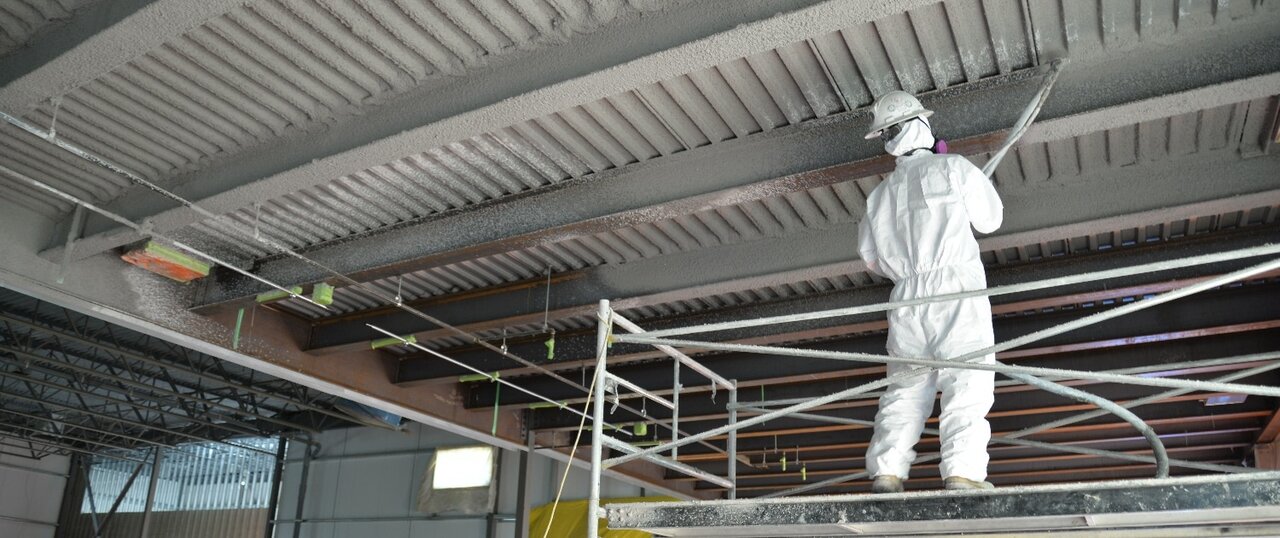
- Coating Application: Use spray, brush, or roller to apply evenly as per manufacturer guidelines.
- Curing: Allow sufficient drying time before exposure to weather to ensure coating effectiveness.
Applying coatings during moderate temperatures and low humidity improves drying and bonding.
Common Questions About Thermal Coatings
How long do thermal coatings last?
Typical lifespan ranges from 5 to 15 years, depending on coating quality and environmental exposure.
Are thermal coatings environmentally safe?
Low-VOC formulations minimize harmful emissions. Additionally, reducing energy consumption lowers carbon footprint.
Can thermal coatings replace traditional insulation?
No. Thermal coatings reduce radiant heat but do not substitute for insulation, which controls conductive heat transfer.
Do thermal coatings require special cleaning or maintenance?
Routine cleaning and inspection help maintain reflectivity and performance over time.

Comparison Table for Thermal Coatings
|
Feature |
Ceramic Coatings |
Elastomeric Coatings |
Infrared Reflective Paints |
Phase Change Coatings |
|
Reflectivity |
High (80-90%) |
Medium-High (70-85%) |
Very High (70-95%) |
N/A |
|
Emissivity |
Low |
Low |
Moderate |
Moderate |
|
Durability |
7-15 years |
5-10 years |
5-12 years |
8-12 years |
|
Waterproofing |
No |
Yes |
No |
No |
|
Application Surfaces |
Roofs, walls |
Roofs, walls |
Metal, wood, concrete |
Walls, ceilings |
|
Cost |
Moderate-High |
Moderate |
Low-Moderate |
High |
How to Maximize Energy Efficiency with Thermal Coatings
- Combine coatings with quality insulation to control both radiant and conductive heat.
- Choose coatings with certified high Solar Reflectance Index (SRI).
- Maintain the coatings by cleaning dust and debris to preserve reflective properties.
- Apply coatings in suitable weather conditions to ensure durability and performance.
How Thermal Coatings Can Improve Your Building’s Energy Efficiency FAQ
What types of buildings benefit most from thermal coatings?
Buildings with large exposed roof or wall areas in hot or variable climates gain the most from thermal coatings.
Do thermal coatings affect indoor air quality?
Low-VOC coatings have minimal effect on indoor air quality and comply with environmental standards.
Can thermal coatings be added to existing buildings?
Yes, they are effective retrofit solutions when applied to properly prepared surfaces.
How soon after application will I see energy savings?
Energy savings typically start immediately during active heating or cooling periods.
Are there regulations governing the use of thermal coatings?
Some regions include thermal coatings in energy efficiency standards; always check local building codes.
Make the Right Decision
Thermal coatings effectively reduce energy consumption by controlling heat flow through building surfaces. Choosing the right coating depends on local climate, building material, durability expectations, and budget. Proper application and routine maintenance maximize performance and extend building life. Carefully assess your building’s specific needs and energy usage patterns before investing in thermal coatings for long-term energy savings.
Author and Reviewer:
Author: With over two decades of hands-on experience, Robert Lamothe, owner and lead installer of Lamothe Insulation, brings unparalleled expertise in spray foam insulation, carpentry, and building science. Since 2002, he has earned a reputation for precision, quality craftsmanship, and delivering energy-efficient solutions that stand the test of time. Lamothe Insulation is a family-owned and family-operated business, and Robert also owns the Goddard School of Auburn, an early childhood education school.
Reviewer: Ethan Taylor has 8 years of experience in spray foam insulation. He reviewed this content and suggested ways to simplify business outreach while keeping trust and professionalism intact.