When it comes to designing a comfortable and functional space, sound quality is a factor that many people often overlook. Whether you’re setting up a home theater, a recording studio, an office, or simply trying to reduce noise in your home, acoustic treatments like soundproofing acoustic sheets can make a huge difference. These specially designed materials help control sound within a room, reducing noise pollution and improving the overall acoustic quality.
In this article, we’ll explain what soundproofing acoustic sheets are, how they work, and why they’re an excellent solution for improving your space’s acoustics. We will also look at the benefits of using acoustic sheets and how they can be applied in various environments.
1. What Are Soundproofing Acoustic Sheets?
1.1 Definition of Acoustic Sheets
Soundproofing acoustic sheets are materials designed to absorb, block, or reduce sound within a space. They are often made from materials like foam, fiberglass, or mineral wool that have properties that prevent sound waves from traveling easily through them. These sheets are typically used in areas where noise reduction is needed, such as music studios, home theaters, offices, and conference rooms.
Acoustic sheets come in various forms, such as:
-
Foam Panels: Lightweight and easy to install, foam panels are a popular choice for reducing echo and sound reflection.
-
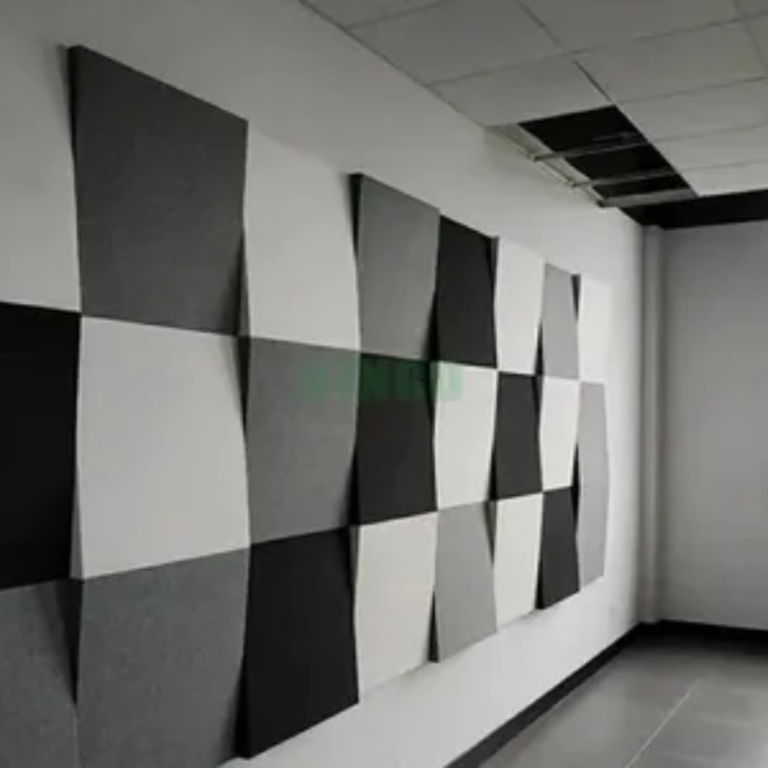
Fabric-Wrapped Panels: These panels combine acoustic foam with fabric coverings, making them both functional and aesthetically pleasing.
-
Mineral Wool Sheets: Dense and highly effective at blocking sound, mineral wool sheets are commonly used for more industrial applications.
These materials help manage sound by either absorbing sound energy or reflecting it in a way that prevents noise from escaping or disturbing the surrounding environment.
1.2 Types of Acoustic Sheets
There are several types of acoustic sheets available, and the type you choose depends on your specific needs. Here are a few common types:
-
Acoustic Foam Panels: These are often seen in recording studios and home theaters. The foam is designed to absorb sound waves, which helps reduce echo and reverberation in a room.
-
Acoustic Insulation Panels: Made from materials like fiberglass, these panels offer superior soundproofing by absorbing sound and preventing it from traveling between rooms.
-
Fabric-Wrapped Acoustic Panels: These panels offer both sound absorption and aesthetic appeal, making them a popular choice for offices and public spaces.
-
Soundproof Curtains: While not technically sheets, soundproof curtains can be used alongside acoustic sheets to block noise coming from windows or external sources.
The right type of acoustic sheet will depend on the size of your space, the amount of noise, and the level of soundproofing you need.
2. How Acoustic Sheets Improve Sound Quality
2.1 Sound Absorption
One of the main functions of soundproofing acoustic sheets is sound absorption. Sound waves travel through air and bounce off surfaces such as walls, ceilings, and floors. This can lead to excessive noise, echoes, or reverberation (prolonged sound after it’s made).
Acoustic sheets absorb sound waves by converting the sound energy into heat, which reduces the intensity of the sound. When properly installed, these sheets can significantly reduce the amount of echo and noise that bounces around the room. This leads to clearer speech and improved listening experiences in spaces like:
-
Home theaters: where high-quality sound is important.
-
Offices: to reduce distractions and create a better work environment.
-
Recording studios: to ensure audio recordings are free from unwanted noise.
By absorbing sound, acoustic sheets help create a more controlled acoustic environment, making the space feel quieter and more comfortable.
2.2 Soundproofing and Noise Blocking
While sound absorption helps reduce noise within a room, soundproofing with acoustic sheets works to block external noise from entering the space. Acoustic sheets are often used as barriers to prevent sound from traveling between rooms or from outside sources. This is especially important in:
-
Apartment buildings: where neighbors’ noise can be a disturbance.
-
Home offices: where external noise may distract you from work.
-
Music studios: where it’s crucial to prevent outside noise from interfering with recordings.
Acoustic sheets designed for soundproofing are typically denser and thicker than those designed for sound absorption. They help seal gaps around doors, windows, and walls, stopping noise from entering or leaving the room. This makes them ideal for creating quiet, private spaces, whether you’re recording, sleeping, or working.
2.3 Reducing Echo and Reverberation
Echo and reverberation are common problems in large or open spaces, such as hallways, conference rooms, or gyms. These issues can make conversations hard to understand and make a room feel uncomfortable. Acoustic sheets can help minimize these effects by absorbing sound waves that would otherwise bounce off hard surfaces.
By installing acoustic sheets on the walls or ceilings, you can reduce the amount of sound reflecting back into the room, creating a more balanced and controlled acoustic environment. This is especially useful in spaces where clarity and focus are important, such as:
-
Conference rooms: where meetings need to be clear and free of distractions.
-
Classrooms: where students need to hear the instructor without echo interference.
-
Restaurants or cafes: where background noise can be overwhelming and affect the dining experience.
2.4 Enhancing Speech Clarity
In environments where clear communication is essential, such as in offices, classrooms, or lecture halls, acoustic sheets can improve speech intelligibility. When sound bounces off hard surfaces, it can make speech unclear and difficult to understand. By reducing reflections and reverberation, acoustic sheets ensure that speech is clear and easily heard.
This is particularly important in environments like:
-
Public speaking areas: such as conference halls or seminar rooms.
-
Meeting rooms: where conversations need to be clear and productive.
-
Theaters: where sound quality directly impacts the audience’s experience.
2.5 Improving Overall Sound Environment
In addition to reducing unwanted noise, acoustic sheets can help improve the overall sound environment of a room by ensuring a balanced sound experience. Properly placed acoustic sheets help distribute sound evenly throughout a space, avoiding areas that are too loud or too quiet. This creates a more pleasant atmosphere for various activities, from casual conversation to professional presentations.
3. Benefits of Using Acoustic Sheets in Different Spaces
3.1 In Home Theaters
Acoustic sheets are a great choice for improving sound quality in home theaters. When watching movies, sound clarity is essential for an immersive experience. Acoustic sheets help:
-
Absorb sound to prevent echoes and reverb, ensuring that dialogues and sound effects are clear.
-
Control bass by reducing the amount of low-frequency sound bouncing around the room.
-
Create a balanced sound field, allowing sound to spread evenly, so you can enjoy high-quality audio throughout the entire room.
3.2 In Offices and Workspaces
Offices, especially open-plan spaces, can often suffer from excessive noise, which can distract employees and reduce productivity. Installing acoustic sheets helps:
-
Minimize background noise from phone calls, conversations, or machinery.
-
Reduce distractions, creating a quieter environment where employees can focus better.
-
Improve speech intelligibility during meetings or conference calls, helping workers understand each other without distractions.
3.3 In Recording Studios
In recording studios, sound quality is critical. Acoustic sheets play a vital role in providing:
-
Soundproofing to block external noise from entering the studio.
-
Absorption to prevent reflections and reverberations that could interfere with recordings.
-
Controlled sound environment for mixing and mastering music, ensuring high-quality results.
3.4 In Apartments and Residential Spaces
In apartments or residential spaces, noise from neighbors, traffic, or outside sources can be a constant disturbance. Acoustic sheets can:
-
Reduce external noise by blocking sound from windows or thin walls.
-
Create a quieter home by reducing internal noise from other rooms, making it a more peaceful space to live in.
4. Installing Acoustic Sheets
4.1 Where to Place Acoustic Sheets
To get the most out of your acoustic sheets, it’s important to install them in the right places. Here are some key areas to consider:
-
Walls: Placing acoustic sheets on the walls can reduce sound reflections and improve speech clarity.
-
Ceilings: Installing acoustic panels on the ceiling can help control sound reflections, especially in rooms with high ceilings.
-
Windows: Soundproofing windows with acoustic sheets or curtains can help block external noise.
-
Corners: Bass traps placed in corners help reduce low-frequency sounds that can build up in these areas.
4.2 DIY vs. Professional Installation
While some acoustic sheets can be installed by yourself, larger projects may require professional help. DIY installations can work well for smaller rooms, like home offices or bedrooms, but for larger spaces like recording studios or commercial areas, professional installation may be needed to ensure the sheets are placed correctly for maximum effectiveness.
5. Conclusion
Soundproofing acoustic sheets are an effective and versatile solution for improving your space’s acoustic quality. Whether you’re trying to reduce noise, improve speech clarity, or create a better sound environment for entertainment, these sheets can make a significant difference. By absorbing sound, blocking noise, and controlling reverberations, acoustic sheets help create more comfortable and functional spaces. Whether you’re upgrading your home theater, designing a quiet office, or setting up a professional recording studio, acoustic sheets are a key component in achieving the best sound quality in your environment.
To read more articles visit on allventurehub