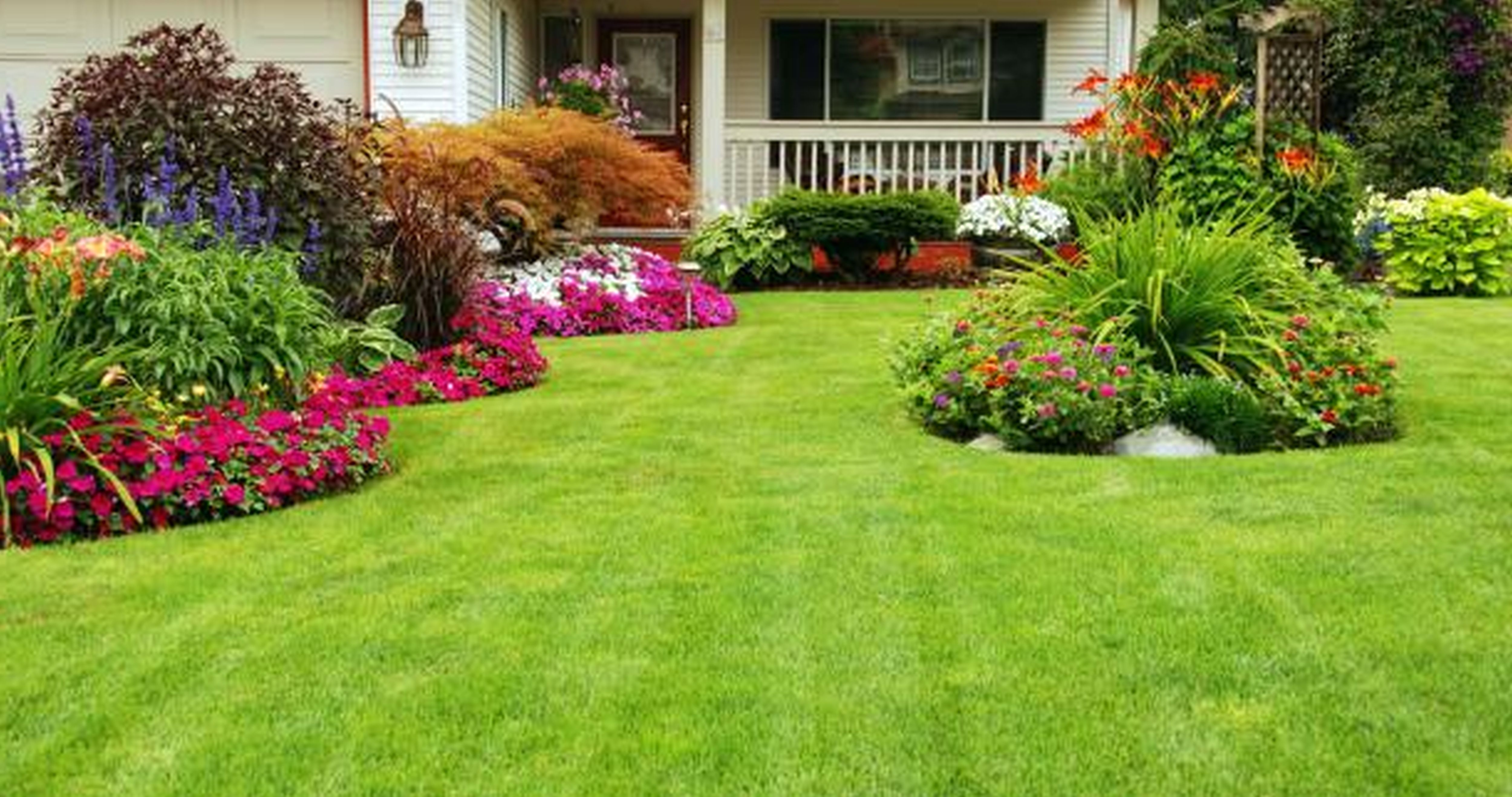
Landscaping affects more than just curb appeal—it contributes to long-term property value through ecological, economic, and functional improvements. Both residential homeowners and commercial property managers stand to gain from strategic outdoor upgrades, especially when planned and maintained with longevity in mind.
This article explains how landscaping supports long-term value retention and appreciation. Using property development data, landscape design trends, and environmental insight, it addresses how and why professional landscaping company play a key role in property evaluation over time.
How Landscaping Affects Property Appraisal Over Time
Well-maintained landscapes are consistently included in appraiser checklists because they reflect care, usability, and environmental adaptation. These elements signal long-term stability to buyers and investors.
Landscaping As a Tangible Asset
- Trees, shrubs, and perennial plants are long-lived assets that mature over time
- Their presence is often included in assessed land improvements, especially in planned neighborhoods and commercial zones
- Features like irrigation systems, retaining walls, and hardscaping have quantifiable installation value and longevity
Contribution to Market Comparables
- Real estate comps often reflect exterior condition and design uniformity across neighborhoods
- Landscaped properties tend to align with or exceed area medians, reducing the time spent on market
Curb Appeal and First Impressions in Buyer Psychology
The initial reaction a buyer or tenant has when approaching a property heavily influences perceived value. Curb appeal creates a frame for every interior feature that follows.
Visual Consistency Increases Perceived Value
- Properties with unified landscaping and architecture are appraised more favorably in residential and commercial settings
- Lawn health, plant selection, and outdoor lighting contribute to visual harmony and signal ongoing maintenance
Psychological Impact on Buying Decisions
- Clean lines, organized plantings, and shaded entryways lower psychological barriers to purchase
- Properties with inviting outdoor spaces encourage longer site visits, which correlates with higher offer activity

Landscaping’s Environmental Value Adds Economic Return
The ecological function of landscaping translates into measurable savings and valuation increases over time. These elements often factor into tax incentives and reduced maintenance costs.
Reduced Energy Costs Through Shade and Windbreaks
- Strategically placed trees lower cooling costs by 15% to 30% in residential homes
- Windbreaks and green walls reduce heating loads for commercial buildings during colder months
Stormwater Management and Soil Health
- Proper grading, rain gardens, and permeable pavers reduce water runoff and soil erosion, lowering maintenance and improving structural integrity
- This contributes to sustainability certifications (e.g., LEED), which influence commercial resale pricing
Landscape Maintenance as a Value Retention Strategy
Maintenance, not just design, drives long-term value. Overgrown, unkempt, or outdated landscaping diminishes ROI, even on high-cost installations.
Preventing Depreciation With Ongoing Upkeep
- Regular pruning, fertilization, and turf care extend the lifespan of plantings and preserve original design intent
- Commercial properties using grounds maintenance contracts see fewer liability claims and fewer asset losses due to neglected growth
Seasonal Care Boosts Long-Term Return
- Investing in multi-season plantings and hardscape weatherproofing ensures continued functionality and appeal year-round
- Fall and spring cleanups, irrigation checks, and mulch refreshes are low-cost actions with cumulative value
Design Features With the Highest Long-Term ROI
Certain landscape features consistently increase resale and rental value, particularly when executed with climate and usage in mind.
|
Feature |
Function |
Long-Term Value Impact |
|---|---|---|
|
Native/low-maintenance plants |
Reduce upkeep, suit climate |
Low cost, high visual ROI |
|
Irrigation systems |
Water efficiency |
Appraised as infrastructure |
|
Outdoor lighting |
Safety, aesthetics |
High appeal for buyers |
|
Patio and hardscape zones |
Usable outdoor space |
Increases functional square footage |
|
Mature trees |
Shade, aesthetics |
Increases appraisal value |
Differences Between Residential and Commercial Landscaping ROI
Though principles overlap, the value focus differs between residential and commercial properties. Design, usage, and maintenance priorities should match the property’s purpose.
Residential ROI Priorities
- Emphasizes aesthetics, privacy, and personal comfort
- ROI is influenced by lifestyle elements such as gardens, shade trees, and decorative borders
- Enhancements often tie directly to resale pricing and buyer psychology
Commercial ROI Priorities
- Focuses on functionality, safety, and accessibility
- Features like signage visibility, parking lot buffering, and drought-resistant plantings influence tenant retention
- Landscaping is part of branding and often tied to zoning or business licensing
How Landscaping Impacts Long-Term Equity Growth
Long-term property value is not just about immediate resale—it’s about building equity through consistent appreciation.
Landscaping Supports Year-over-Year Growth
- Neighborhoods with visible investments in green space see higher annual increases in home value
- Commercial campuses that maintain consistent grounds see fewer vacancies and higher lease renewal rates
Landscaping Can Offset Market Downturns
- Homes with established, quality landscaping tend to retain value better in declining markets
- Trees, patios, and structural features hold intrinsic worth that softens depreciation
Conclusion
Landscaping plays a clear role in long-term property value—both for homes and commercial spaces. Its benefits extend beyond surface appeal, contributing to functional, economic, and environmental value. Long-lived elements such as trees, hardscaping, and efficient design choices improve resale potential, increase equity, and reduce operating costs over time.
Investing in landscaping and lawn care contractor ensures that landscaping remains an asset rather than a liability. The right choices today compound in value across years, not just seasons.
FAQs
How much value can landscaping add to a property over time? Landscaping can boost property value by 10% to 20%, depending on design quality, plant maturity, and upkeep. Long-term appreciation benefits are strongest with strategic features like patios and mature trees.
Do mature trees increase property appraisal values? Yes. Mature trees are often factored into appraisals for both their environmental value and visual impact. They also contribute to lower energy costs, which buyers factor into long-term affordability.
What landscaping features are best for long-term return on investment? Patios, walkways, drought-tolerant plants, and efficient irrigation systems offer high ROI over time. These features balance usability with low maintenance costs and add year-round appeal.
Is commercial landscaping worth the investment? For commercial properties, professional landscaping improves tenant satisfaction, increases lease renewals, and contributes to branding. It can also support LEED or environmental certifications, increasing rental and resale value.
How often should landscaping be updated to maintain value? While basic maintenance should happen seasonally, major updates such as plant replacement, lighting upgrades, or design enhancements should occur every 5–7 years to keep pace with market expectations and usage wear.
Reviewer: Sophie Williams looked over this post and brought 7 years of field experience to her suggestions, helping ensure the content stays relevant to business owners and practical for everyday use.