Every shoreline is different, and that is exactly why a skilled Pier builder plays such a vital role in waterfront development. In marine work, adjusting plans isn’t optional – it’s required. One design working fine on a quiet lake might break down fast near rough tides or stormy coasts. Knowing how experts tweak structures for your exact coast gives you smarter choices that keep value strong over time.
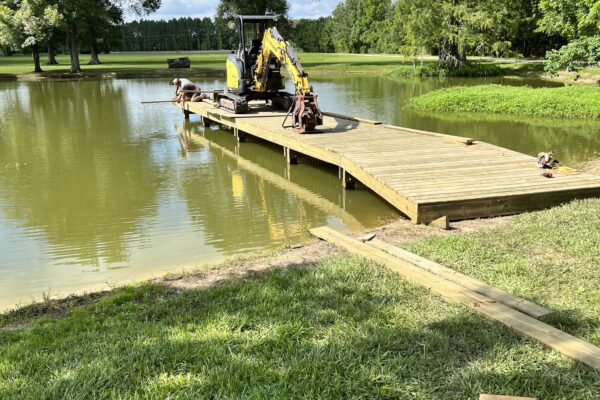
Understanding Shoreline Characteristics Before Construction Begins
Picking materials or drawing plans comes later – first, builders check how your shore acts naturally. The lay of the ground, how deep the water gets, what’s under it, where mud goes, storms hit, and shifts through seasons shape how well a pier lasts. If water levels jump around, you need something way different than if the water stays deep and calm year-round. Wind direction, boats passing by, plus how water moves guide which angle suits the dock best. Getting these things right means building along with nature instead of fighting it, so repairs stay rare.
Why Soil and Subsurface Conditions Shape the Entire Design
A key part of building a custom pier? Knowing what’s under the water. Muddy ground, sandy layers, tight clay, or stone beds – all handle weight in their own way. If the base is squishy or moves around, you’ll likely need longer supports or different anchors to stop it from dropping or leaning. When the bottom’s tough or full of rock, special drill tools might be needed so things don’t crack when putting pieces down. A skilled pier builder usually checks the ground first – this helps pick the right pile type, layout, distance between piles, and how deep they go. If the structure isn’t adjusted based on what’s underground, no matter how nice it looks, it won’t last long.
Material Choices Based on Environmental Demands
Your shoreline’s surroundings decide which stuff holds up best. When the water’s still and fresh, treated wood might look nice while lasting years – so long as it’s sealed right. But near salt-heavy coasts, you’ll need tougher gear like composite boards along with rust-proof fasteners. Waves crashing daily plus salty spray mean only rugged builds survive well. Strong sun beating down nonstop pushes durability needs even higher. A smart pier setup works hard beyond just appearing clean. Using stuff built just for your situation helps the dock last through storms and years. Picking the right kind means upkeep stays easy instead of turning into a hassle.
Designing for Water Depth and Accessibility
Water depth shapes how tall and strong your pier needs to be. In deep spots, you’ll likely need taller supports along with extra cross-ties for sturdiness. Where it’s shallow, think ahead – don’t block boats or mess up the bottom. Getting on and off safely matters just as much. When it comes to fishing, swimming, boating, or just hanging out, the setup should work for how you plan to use it. Custom docks usually come with changeable sections, secure footing, different rail choices, plus access spots tailored to what’s practical and what looks good.
Storm Readiness and Long-Term Stability
A sturdy pier prepares for the toughest situations. When storm surges hit, water levels shift fast – this can wreck a weak setup. Experts use tougher posts, set them deeper, add parts that adapt, while using joints that bend instead of breaking under stress. Near shorelines especially, builds must push back against lifting forces or sideways pushes. A pier made just for your waterfront handles these issues before they start. Rather than fixing problems later on, it’s designed tough right from the beginning.
Tailored Construction Techniques for Each Shoreline Type
Coastal spots differ, so setup methods must adapt. In rocky zones, crews might drill first before setting posts; on soft sand, they often rely on shaking or hammering piles deep. Where nature needs safeguarding, workers switch to smaller tools – or enter from less sensitive sides. Meanwhile, open sites give room for heavy rigs, speeding up builds with stronger results. These choices come from caring about nature along with keeping buildings safe. Using custom methods, the crew adds strength without harming local wildlife.
Enhancing Aesthetic Appeal While Maintaining Functionality
Customization isn’t just about strength – it shapes how things look and feel. Homeowners usually prefer a pier that fits naturally into the landscape. Depending on taste, builders might add rounded corners, unique railings, special deck layouts, or extra areas to stand. Looks matter just as much as use, so smart design ties them both together. A well-built pier enhances the shore without dominating it, offering spots to chill, play, or simply enjoy the water.
Sustainability and Eco-Friendly Considerations
A tailored dock treads lightly on nature by skipping needless disruption. Since experts check how water moves, where plants grow, and animal habits, they shape construction to leave less trace. With green materials, safer coatings, while letting currents pass freely, banks stay strong and alive. Smart picks mean enjoying lake access while keeping the wild charm intact.
Conclusion
A custom pier isn’t just wood and bolts – it’s how smart planning, creativity, or natural flow work together. A good builder checks how the shore acts, what the environment needs, yet listens to your taste to make something solid, nice-looking, maybe built to last. Getting it right means your dock handles your specific water edge quirks but still works well every day. Putting money into a pier shaped around your spot also protects your property’s worth down the road.
FAQ
What’s the point of checking the shore first if you’re putting up a pier?
Shoreline checks give clues about how deep the water is, whether the ground holds firm, what waves do, or if nature’s forces affect how buildings are made to last over time.
What materials work best for a custom pier?
What you use depends on where it’s placed. In lakes or rivers, regular wood might work if treated properly – though near the sea, stronger stuff like composite materials holds up better because rust is a real problem there.
What kind of dirt changes how piers are built?
Different dirt types mean adjusting how deep you go and what building tricks you use. When the ground’s mushy, you’ve gotta dig further; on solid rock, unique boring tools come into play.
Is it possible to build a pier that handles lots of big boats?
Yep, you can tweak a pier to manage constant use – swap in tougher materials, beef up key parts. That way it handles heavy traffic without falling apart.
What’s the usual lifespan of a made-to-order dock?
A well-built dock can endure many years – especially when sturdy parts are used, paired with smart planning. Still, routine care plays a big role in lasting performance, particularly where weather or water conditions get tough.