
Transforming an idea into a tangible, functional space is a journey that requires creativity, precision, and collaboration. Whether it’s a cozy home, a bustling office, or a vibrant retail environment, the process of turning a vision into built reality is complex and rewarding. Full design services offer a comprehensive approach that guides clients through every phase of this transformation, ensuring that the final result not only meets but exceeds expectations.
Understanding Full Design Service: More Than Just Drawing Plans
At its core, full design service encompasses every stage of the design and construction process—from initial concept development to the final walkthrough. It’s a holistic approach that integrates creative vision with technical expertise, project management, and client collaboration.
Unlike piecemeal services where clients might hire separate architects, interior designers, and contractors, full design service provides a seamless experience. This integration minimizes miscommunication, streamlines timelines, and often results in cost savings. By having a single team or firm responsible for the entire process, clients benefit from consistent vision and accountability.
The Key Components of Full Design Service
1. Conceptual Design: This is where ideas take shape. Designers work closely with clients to understand their goals, preferences, and lifestyle or business needs. Mood boards, sketches, and preliminary layouts help visualize the direction.
2. Detailed Design Development: Once the concept is approved, the design is refined. This includes detailed floor plans, elevations, material selections, and finishes. Designers ensure that the aesthetic aligns with functionality and regulatory requirements.
3. Documentation and Permitting: Accurate construction documents are prepared, which contractors use to build the project. The design team also handles necessary permits and approvals, navigating local codes and regulations.
4. Construction Administration: During construction, designers oversee progress, address challenges, and ensure adherence to design intent. Regular site visits and communication with contractors keep the project on track.
5. Final Installation and Styling: After construction, the design team manages the installation of furnishings, fixtures, and accessories. This phase brings the space to life, adding personality and finishing touches.
6. Post-Completion Support: The relationship between the client and design team doesn’t end once the project is completed. Full design service often includes post-completion support, where designers check in to ensure everything functions as intended and clients are satisfied. This can involve troubleshooting any issues that arise and making adjustments to enhance the overall experience.
7. Sustainability Considerations: In today’s design landscape, sustainability is a crucial component. Full design services often incorporate eco-friendly practices, such as selecting sustainable materials, optimizing energy efficiency, and considering the long-term environmental impact of design choices. This not only benefits the planet but can also lead to cost savings for clients through reduced energy consumption and maintenance.
Why Choose Full Design Service? The Benefits Explained
Opting for a full design service offers numerous advantages that go beyond convenience. It’s about creating a cohesive, well-executed project that reflects the client’s vision while being practical and sustainable.
Streamlined Communication and Collaboration
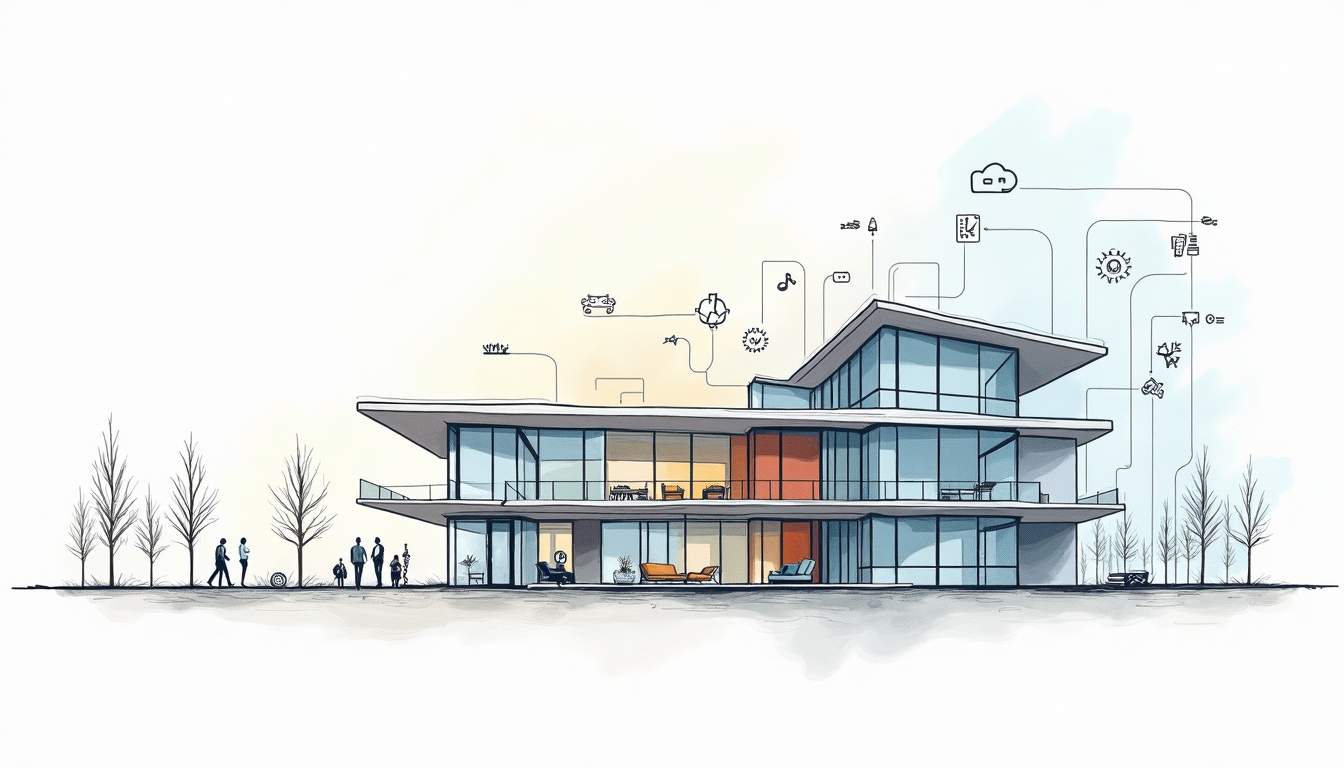
With a dedicated team handling every aspect, communication channels are clear and efficient. Clients have a single point of contact, reducing confusion and ensuring that feedback is incorporated promptly. The design team collaborates internally, aligning architectural, interior, and technical elements seamlessly. To learn more about their expertise, visit HPW Architecture.
Time and Cost Efficiency
Coordinated planning and oversight help avoid costly mistakes and delays. Early identification of potential issues during the design phase prevents surprises during construction. Additionally, bulk purchasing and strategic sourcing of materials often result in better pricing and value.
Customization and Personalization
Full design service allows for a highly tailored approach. Designers immerse themselves in the client’s lifestyle or brand identity, crafting spaces that are unique and meaningful. This level of personalization is difficult to achieve when services are fragmented.
Quality Assurance and Accountability
When one team is responsible for the entire process, there’s a greater commitment to quality. Designers advocate for the client’s interests, ensuring that contractors meet standards and that finishes are executed as envisioned. This accountability fosters trust and satisfaction.
The Journey: From Initial Vision to Final Reality
Every project begins with a spark of inspiration. The journey from that initial vision to a fully realized space involves several distinct phases, each critical to the success of the project.
1. Discovery and Conceptualization
The process starts with a thorough discovery phase. Designers meet with clients to discuss needs, preferences, budget, and timeline. This stage often involves site visits and analysis of existing conditions.
Following discovery, the conceptualization phase translates ideas into visual form. Designers create mood boards, sketches, and preliminary layouts to explore possibilities. This collaborative stage encourages client input and helps refine the direction.
2. Design Development and Planning
Once the concept is agreed upon, the design team develops detailed plans. This includes architectural drawings, interior layouts, lighting plans, and material specifications. Attention is paid to how each element interacts to create a harmonious environment.
During this phase, technical considerations such as structural integrity, HVAC systems, and accessibility are integrated. The design must comply with local building codes and regulations, which the team navigates expertly.
3. Documentation and Permitting
Comprehensive construction documents are prepared, serving as the blueprint for contractors. These documents include detailed drawings, schedules, and specifications that guide every aspect of construction.
The design team also manages the permitting process, submitting plans to relevant authorities and addressing any feedback or required adjustments. This step is crucial to ensure legal compliance and avoid delays.
4. Construction and Oversight
With permits secured and plans finalized, construction begins. The design team remains actively involved, conducting site visits, coordinating with contractors, and resolving issues as they arise. This oversight ensures that the design intent is faithfully executed.
Regular progress updates keep clients informed, and any necessary changes are managed carefully to maintain budget and schedule.
5. Final Installation and Styling
As construction concludes, the focus shifts to installation of furnishings, fixtures, and decorative elements. This phase transforms the space from a shell into a lived-in environment that reflects the client’s personality or brand.
Designers curate accessories, artwork, and textiles to complement the overall aesthetic. The result is a polished, cohesive space ready for occupancy.
Case Studies: Real-World Examples of Full Design Service Success
Examining real projects highlights the value and impact of full design service. Here are a few examples that showcase different types of spaces and client goals.
Residential Transformation: A Family Home Reimagined
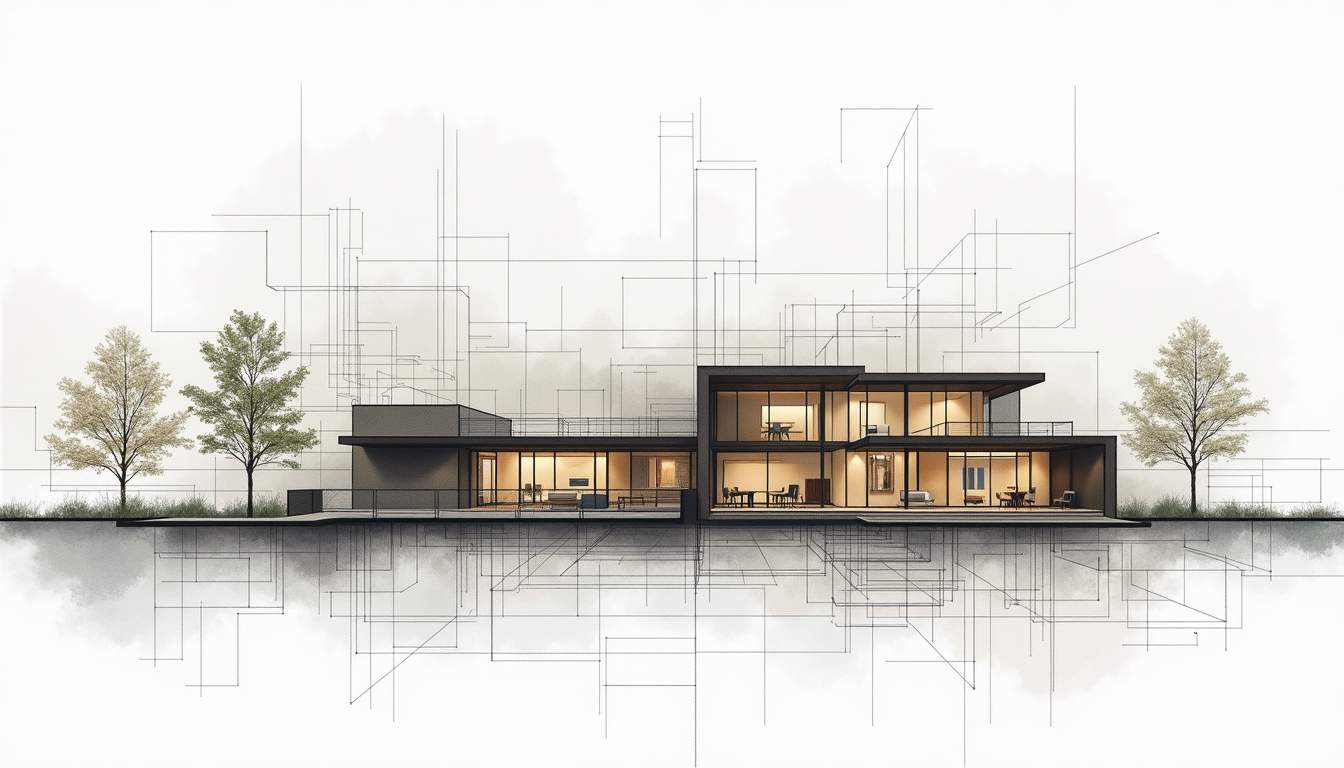
A growing family sought to renovate their outdated home to create a more open, functional living space. The full design service team began by understanding the family’s lifestyle, prioritizing areas for gathering, study, and relaxation.
The conceptual phase introduced an open-plan kitchen and living area, with natural light maximized through strategic window placement. Detailed design incorporated durable, child-friendly materials and smart storage solutions.
Throughout construction, the design team coordinated with contractors to preserve structural elements while modernizing the home. The final installation included custom cabinetry, cozy textiles, and personalized artwork, resulting in a warm, inviting residence tailored to the family’s needs.
Commercial Office: Branding Meets Functionality
A tech startup required a new office that reflected its innovative culture and supported collaborative work. The full design service approach began with workshops to capture the company’s ethos and employee preferences.
Design development focused on flexible workstations, breakout areas, and integrated technology. The team selected materials and colors aligned with the brand identity, creating an energetic yet professional atmosphere.
During construction, challenges such as tight deadlines and complex electrical requirements were managed proactively. The final space fostered creativity and productivity, impressing both staff and visitors.
Retail Space: Enhancing Customer Experience
A boutique retailer wanted to refresh their store to attract a broader clientele and improve product visibility. The full design service team conducted market research and customer flow analysis to inform the design.
Conceptual designs emphasized open displays, intuitive navigation, and ambient lighting. Material choices balanced durability with elegance, supporting the brand’s upscale image.
Construction oversight ensured minimal disruption to business operations, with phased work and clear communication. The completed store offered an inviting, immersive shopping experience that boosted sales and customer satisfaction.
Choosing the Right Full Design Service Provider
Selecting a design partner is a critical decision that influences the success of any project. It’s important to find a team that aligns with your vision, communicates effectively, and demonstrates expertise across all phases.
Evaluating Experience and Portfolio
Reviewing past projects provides insight into a firm’s style, capabilities, and versatility. Look for examples similar in scope and scale to your project, and consider client testimonials to gauge satisfaction.
Assessing Communication and Collaboration
Effective communication is essential. During initial consultations, observe how the team listens, responds to questions, and incorporates feedback. A collaborative approach fosters trust and ensures your vision is realized.
Understanding the Process and Services Offered
Clarify what services are included in the full design package. Some firms may offer additional specialties such as sustainable design, custom furniture, or landscape architecture. Knowing the full scope helps avoid surprises later.
Budget Transparency and Project Management
A reputable design service provider will offer clear budgeting and cost management. Inquire about how changes are handled and what contingencies are in place. Strong project management skills keep timelines and costs under control.
Conclusion
From the first spark of inspiration to the final reveal, full design service is a comprehensive, client-centered approach that transforms ideas into beautifully crafted realities. By integrating creativity, technical knowledge, and meticulous project management, this service ensures that every detail aligns with the client’s vision and needs.
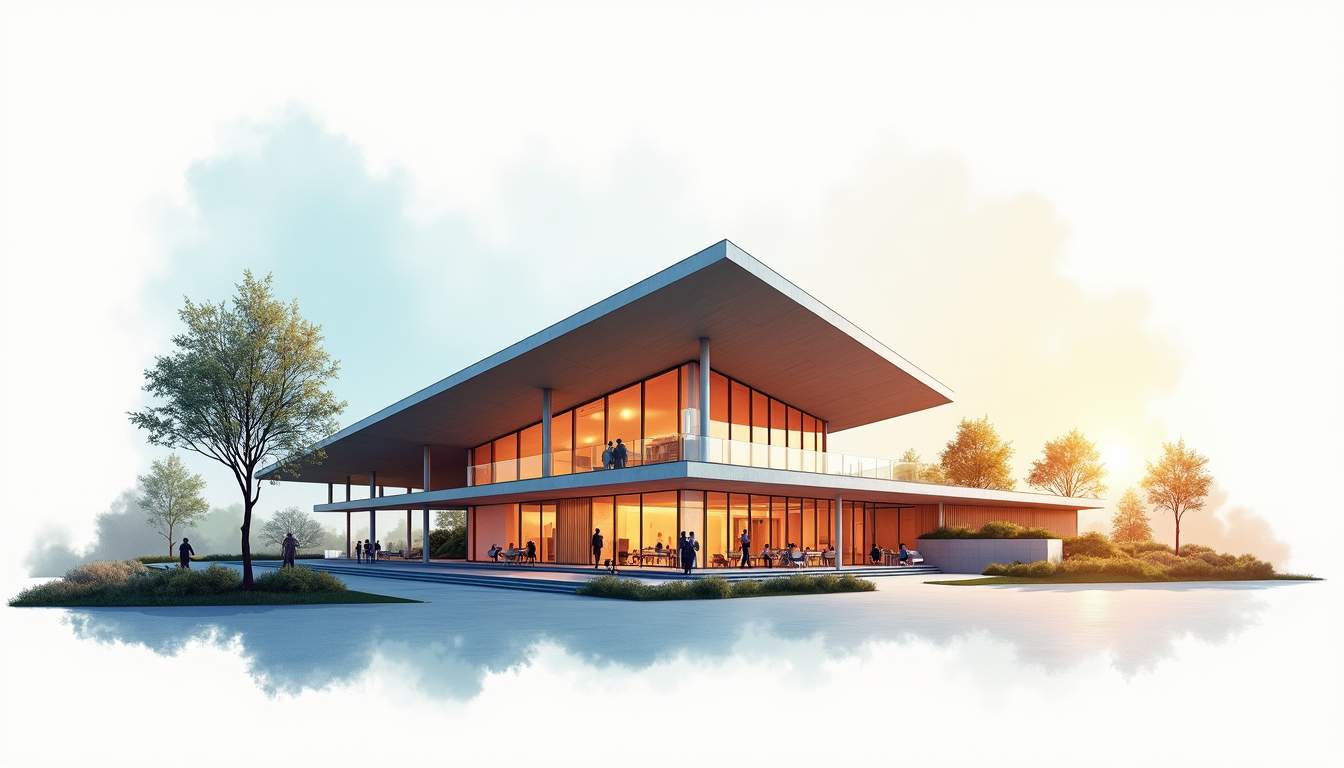
Choosing full design service means investing in a smoother process, higher quality outcomes, and a space that truly feels like your own—whether it’s a home, office, or retail environment. The journey from vision to built reality is complex, but with the right team, it becomes an exciting and fulfilling adventure.