
Imagine a luxury hotel lobby in Dubai, its design a seamless blend of traditional Arabic motifs and cutting-edge modern aesthetics. Now picture the same design team trying to replicate that success in a bustling Riyadh marketplace or a historic Beirut apartment. The Middle East and North Africa (MENA) region is a tapestry of cultures, regulations, and expectations, making interior design execution across borders both a thrilling opportunity and a complex puzzle.
Navigating the Diverse Cultural Landscape
Understanding Local Aesthetics and Traditions
The MENA region is far from monolithic. From the ornate mashrabiya screens in Egypt to the minimalist luxury favored in Qatar, cultural nuances shape design preferences profoundly. Interior designers and project managers must dive deep into local customs and tastes to create spaces that resonate. It’s not just about aesthetics; it’s about respect and relevance.
For example, in Saudi Arabia, privacy is paramount, influencing spatial layouts and furniture placement. In Lebanon, a fusion of French colonial influences with Levantine heritage creates a unique design language. Ignoring these subtleties can alienate clients and users alike. Furthermore, the significance of color varies widely across the region; while vibrant reds and golds may be favored in Moroccan design, cooler tones often dominate in the Gulf states, reflecting the stark desert landscapes and the serene coastal vistas. Understanding these color palettes is crucial for creating harmonious environments that feel authentic and inviting. To explore regionally inspired interior solutions, you can visit Art Decor for expert guidance.
Balancing Tradition with Modernity
One of the biggest challenges is striking the right balance between honoring tradition and embracing contemporary trends. Clients often want interiors that feel modern and luxurious but still rooted in their cultural identity. This balancing act requires designers to be both historians and innovators.
Successful projects often incorporate traditional materials like local stone, intricate tilework, or handcrafted textiles, but use them in fresh, unexpected ways. This approach not only preserves heritage but also appeals to younger generations seeking modern lifestyles. For instance, using traditional motifs in contemporary furniture design can create a dialogue between past and present, allowing for a seamless integration of history into everyday life. Additionally, the rise of sustainable design practices in the region has led to a renewed interest in local craftsmanship, prompting designers to collaborate with artisans to create bespoke pieces that reflect both cultural significance and modern sensibilities.
Regulatory and Logistical Hurdles
Cross-Border Permits and Compliance
Each country in MENA has its own set of building codes, safety regulations, and import restrictions. Navigating this regulatory maze can delay projects and inflate budgets if not managed carefully. For instance, what’s permissible in the UAE might require significant adjustments to meet standards in Morocco or Jordan.
Interior firms expanding their footprint across the region often need local partners or consultants who understand the legal landscape intimately. Early engagement with regulatory bodies and thorough due diligence can prevent costly missteps. Furthermore, understanding the cultural nuances and local practices can also play a crucial role in ensuring compliance. For example, certain countries may have specific requirements regarding environmental sustainability or heritage preservation that can impact project timelines and costs. Engaging with local stakeholders early on can facilitate smoother approvals and foster goodwill, which is essential in regions where relationships often dictate business success.
Material Sourcing and Supply Chain Complexities
Securing the right materials on time is a constant headache when working across borders. Many high-end finishes and furnishings are imported, and customs clearance can be unpredictable. Political instability or sudden changes in trade policies add layers of uncertainty.
Some firms have found success by establishing regional warehouses or partnering with local suppliers to reduce lead times and mitigate risks. Flexibility in design choices—such as substituting materials without compromising quality—also proves invaluable. Additionally, firms are increasingly exploring sustainable sourcing options, which not only align with global trends but can also provide a competitive edge in the market. By prioritizing eco-friendly materials and local craftsmanship, companies can enhance their brand image while navigating the complexities of supply chains more effectively. This approach not only supports local economies but also helps in building resilience against potential supply disruptions, ensuring that projects remain on track despite external challenges.
Communication and Collaboration in a Multilingual Environment
Bridging Language and Cultural Gaps
Effective communication is the backbone of any successful project. In MENA, teams often include Arabic, English, French, and sometimes other languages. Misunderstandings can lead to errors, delays, and frustration. Moreover, cultural nuances can further complicate interactions; for instance, the way feedback is given and received can vary significantly across different cultures. Understanding these subtleties is essential for fostering a collaborative atmosphere where all team members feel valued and understood.
Employing multilingual project managers and using visual tools like 3D renderings and mood boards help bridge these gaps. Regular check-ins and clear documentation ensure everyone stays aligned, regardless of language barriers. Additionally, incorporating language training programs can empower team members to improve their communication skills, fostering a more inclusive environment. This investment not only enhances interpersonal relationships but also boosts overall project efficiency, as team members become more comfortable expressing their ideas and concerns.
Remote Coordination and Technology Use
With teams and clients spread across countries, technology plays a crucial role. Video calls, cloud-based project management platforms, and virtual walkthroughs have become standard. These tools enable real-time feedback and faster decision-making, which is essential when time zones and travel restrictions complicate face-to-face meetings. Furthermore, the integration of artificial intelligence in these platforms can streamline workflows, automate repetitive tasks, and provide insights that help teams make informed decisions quickly.
However, technology is only as good as the processes behind it. Successful firms invest in training their teams to use these tools effectively and foster a culture of transparency and responsiveness. Regular training sessions and workshops can help team members stay updated on the latest technological advancements and best practices. Additionally, creating a centralized knowledge repository allows team members to share insights and learn from each other’s experiences, further enhancing collaboration and innovation across the board.
Stories of Success: Projects That Got It Right
A Boutique Hotel in Marrakech
A boutique hotel project in Marrakech exemplifies how understanding local culture and involving artisans can elevate a design. The team collaborated closely with Moroccan craftsmen to incorporate zellige tilework and hand-carved wood elements. This not only ensured authenticity but also supported the local economy. Each piece of tile was meticulously crafted, telling a story of tradition and artistry that dates back centuries, while the woodwork showcased intricate designs inspired by the region’s rich history.
Despite logistical challenges in importing specialized lighting fixtures, the project timeline remained on track thanks to proactive planning and local sourcing alternatives. The result was a space that felt both luxurious and deeply connected to its setting. Guests are greeted by a stunning atrium that features a traditional fountain, surrounded by lush greenery and vibrant textiles, creating an oasis that invites relaxation. The hotel also offers curated experiences, such as guided tours of local markets and cooking classes, further immersing visitors in the enchanting culture of Marrakech.
Corporate Offices in Dubai and Cairo
A multinational corporation tasked a design firm with creating cohesive office interiors in both Dubai and Cairo. The challenge was to maintain brand consistency while adapting to different workplace cultures. In Dubai, the design emphasized open, collaborative spaces with high-tech features. In Cairo, the focus shifted to more private areas respecting local work habits. The use of natural light was a key consideration, with large windows and glass partitions that fostered a sense of openness while still allowing for quiet zones where employees could concentrate.
Regular virtual meetings and shared digital platforms allowed the teams to coordinate seamlessly. The project underscored the importance of flexibility and cultural sensitivity in cross-border interior execution. Additionally, the design incorporated elements that reflect the local heritage, such as artwork from regional artists and color palettes inspired by the surrounding landscapes. This thoughtful integration not only enhanced the aesthetic appeal but also fostered a sense of belonging among employees, making the offices not just places of work but also spaces where cultural identity is celebrated and embraced.
Lessons Learned and Best Practices
Start with Local Insights
Engage local experts early. Their knowledge of cultural norms, regulations, and suppliers is invaluable. This foundation reduces risks and enhances the design’s authenticity.
Plan for Contingencies
Build buffers into your schedule and budget for unexpected delays, especially related to customs or political changes. Flexibility can save a project when surprises arise.
Invest in Communication
Clear, consistent communication prevents misunderstandings. Use visual aids and multilingual documentation. Encourage openness so issues surface early.
Leverage Technology Wisely
Adopt tools that suit your team’s workflow and client preferences. Train everyone thoroughly and maintain regular virtual touchpoints.
Conslusion
The MENA region continues to attract massive investments in hospitality, commercial, and residential developments. As governments push for economic diversification and tourism growth, demand for sophisticated interiors will only rise.
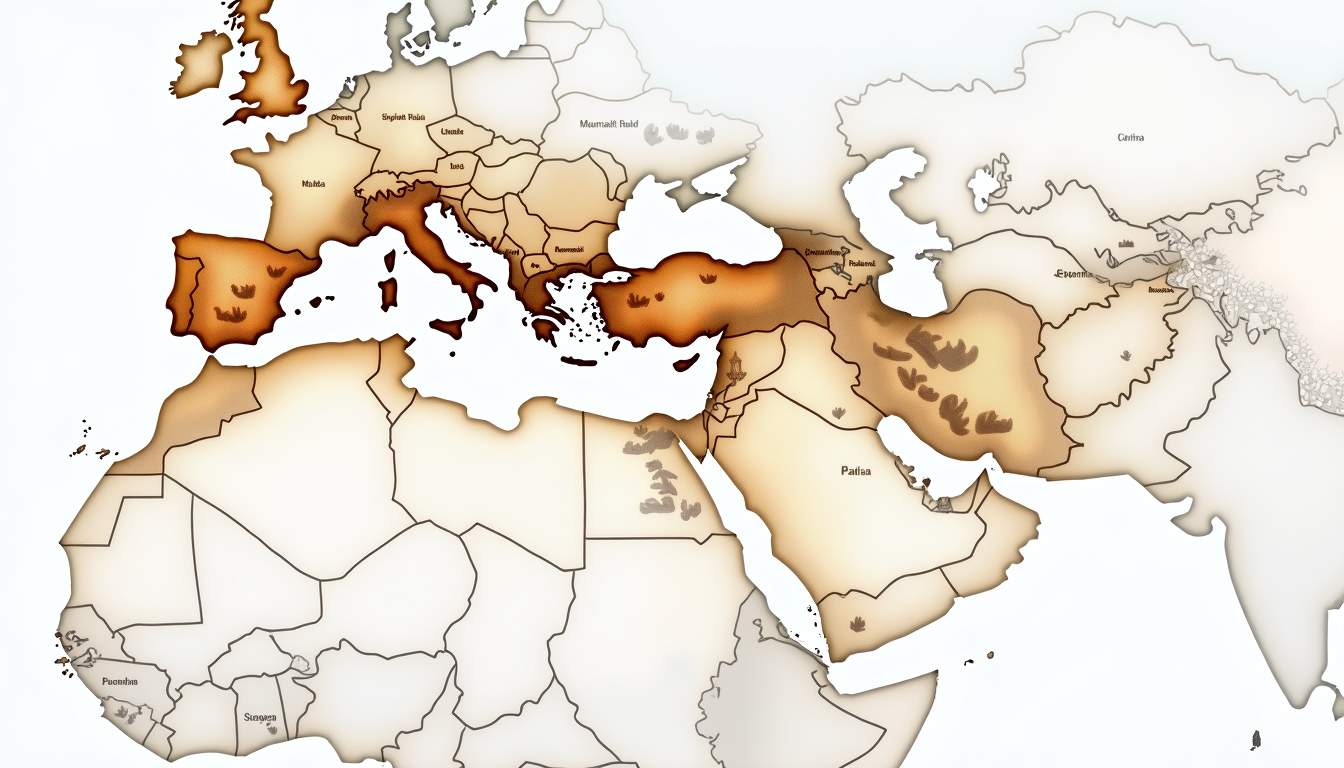
Firms that master the art of cross-border execution-balancing culture, regulation, logistics, and communication-will thrive. The key lies in adaptability and respect for the unique fabric of each market.
Executing interiors across borders in MENA is no small feat, but the rewards are rich: stunning spaces that tell stories, honor heritage, and meet modern needs. For designers and project managers willing to embrace complexity, the region offers a canvas like no other.