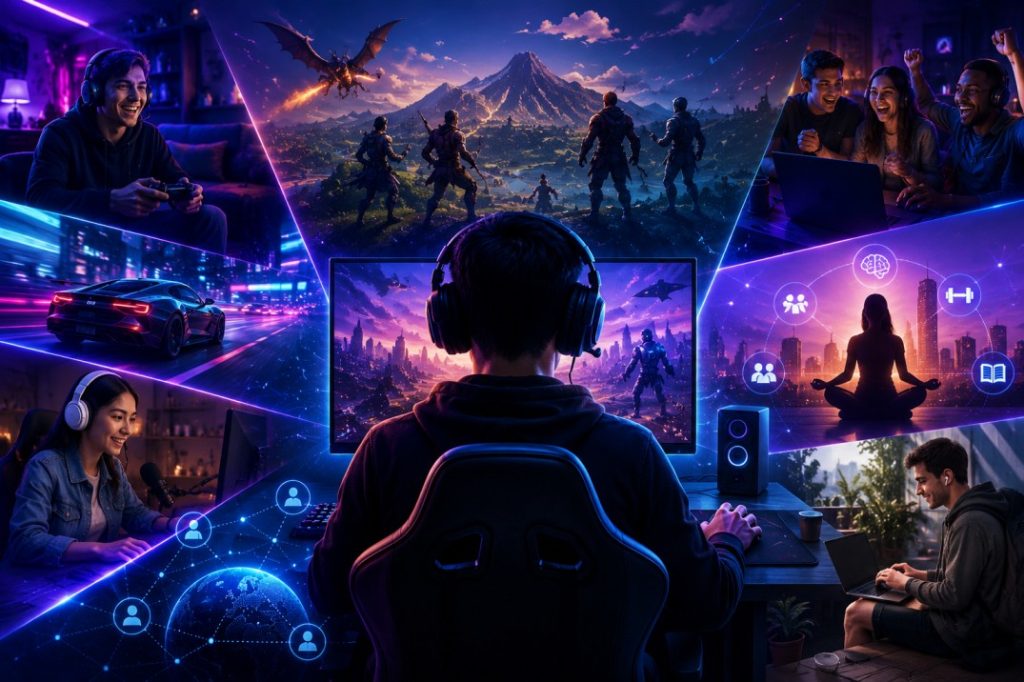
The world of esports has grown into a thriving industry that offers a wide range of career opportunities. For many people, esports may seem like it’s only about playing games competitively, but the truth is, it’s far more than that. From coaching and content creation to event management and game analysis, esports is shaping a new wave of professional paths. As someone who follows both gaming and lifestyle industries closely, I’ve seen how esports careers are now a solid choice for many young professionals.
In this blog, I want to explore how esports careers extend beyond just the gaming chair. I’ll walk you through the possibilities, the roles available, and how people are shaping their futures in this exciting sector.
Why Esports Careers Are Expanding
Esports is no longer a side hobby—it’s a billion-dollar industry with global recognition. The growth of competitive gaming has fueled demand for skilled professionals in many supporting roles. It isn’t just about who can play the best game; it’s also about who can build teams, manage events, and engage with audiences.
The expansion of esports careers is driven by three major factors:
- Global audience demand: Millions of people watch esports tournaments, leading to growth in broadcasting and marketing jobs.
- Technology development: Gaming hardware, streaming platforms, and analytics tools have created new technical roles.
- Professional infrastructure: Just like traditional sports, esports teams need managers, coaches, medical staff, and sponsors.
With these changes, esports is no longer confined to professional players—it’s a complete ecosystem.
Career Paths in Esports
When I started exploring esports, I realized that there are so many career tracks available. Let’s break them down into some of the most promising roles:
1. Professional Players and Teams
The most visible career path is becoming a professional gamer. These individuals train rigorously and compete in tournaments worldwide. However, they are supported by entire teams and organizations that manage logistics, branding, and sponsorship deals.
2. Coaching and Training
Behind every successful player is a good coach. Coaches analyze strategies, monitor player performance, and guide teams to perform better in tournaments. Performance analysts also work alongside coaches to review gameplay data.
3. Broadcasting and Content Creation
Esports isn’t complete without live streaming, commentary, and video content. Broadcasters, commentators (often called “shoutcasters”), and streaming professionals make the experience engaging for millions of fans. Content creators on platforms like YouTube and Twitch also build communities around gaming.
4. Event Management and Production
Esports tournaments often fill large stadiums and attract online audiences worldwide. That means event organizers, production teams, camera operators, and stage designers all play a role in delivering smooth experiences.
5. Marketing and Sponsorship
Esports relies heavily on partnerships with brands. Marketing specialists, sponsorship managers, and PR professionals ensure that teams, tournaments, and organizations remain financially strong while building brand connections with fans.
Skills Needed to Succeed in Esports Careers
The esports industry may be fun and exciting, but it also requires serious skills. From technical knowledge to communication abilities, here are some important skills for anyone who wants to enter this field:
- Teamwork: Whether playing on a team or working behind the scenes, collaboration is vital.
- Technical expertise: Many careers require strong knowledge of gaming software, hardware, and streaming tools.
- Analytical thinking: Coaches and analysts need to break down game strategies and player performance.
- Creativity: Content creators, streamers, and marketers thrive on creativity to keep audiences engaged.
- Business understanding: Sponsorship deals, team contracts, and event organization all need business management skills.
As someone who enjoys learning about emerging industries, I find these skills fascinating because they prove that esports isn’t just entertainment—it’s a serious professional pathway.
The Real-Life Impact of Esports Careers
Esports careers are transforming lives globally. From young gamers turning into international stars to production crews managing massive events, opportunities are everywhere. I’ve noticed how even universities are now offering esports programs and scholarships. These programs prepare students for careers in broadcasting, team management, or even game development, making esports education a reality.
Another interesting point is how esports overlaps with technology and lifestyle industries. For example, gamers and professionals often explore products that suit their routine, whether it’s high-performance gaming gear or lifestyle products that fit their personal brand. Just like when I searched for mr fog switch price, I realized how gaming communities also explore products outside the game, showing how lifestyle choices and esports often align naturally.
Future Growth of Esports Careers
Looking ahead, esports is only going to expand further. Major investments are pouring into the industry, and global recognition continues to grow. With the rise of mobile esports, virtual reality gaming, and interactive broadcasting, there will be even more roles to fill.
Some areas of growth I see in the near future include:
- Health and wellness roles: Physical trainers and mental health professionals specializing in esports.
- Data science: Game analysts using AI and big data to improve strategies.
- Global event coordination: More international tournaments with large-scale productions.
- Education: Universities offering esports-focused courses and training.
These growth areas show that esports careers will keep diversifying, opening opportunities for many more professionals worldwide.
Why Esports Is More Than Just Playing Games
To me, what makes esports so special is the fact that it’s a community-driven industry. While players are the most recognized, the industry thrives because of all the professionals working behind the scenes.
Esports shows us that passion for gaming can lead to meaningful careers, whether you’re a player, analyst, marketer, or event organizer. It’s also about building connections and exploring opportunities that bring together gaming, technology, and lifestyle.
That’s why I see esports as a field that blends both passion and profession. Just like how I came across mr fog products while browsing communities that also discuss esports, I realized that gaming careers can naturally connect with lifestyle choices.
And when I think about how far esports has come, I’m confident that it will continue to grow stronger. Today, I see people exploring everything from professional gaming to branding opportunities, and they’re finding success in ways they never imagined. It’s this combination of passion and career potential that makes esports more than just playing games.
In fact, I believe that just as gamers explore new products like mr fog max to complement their lifestyle, professionals in esports are exploring endless career options to build their future. That’s what makes this industry so inspiring and full of promise.