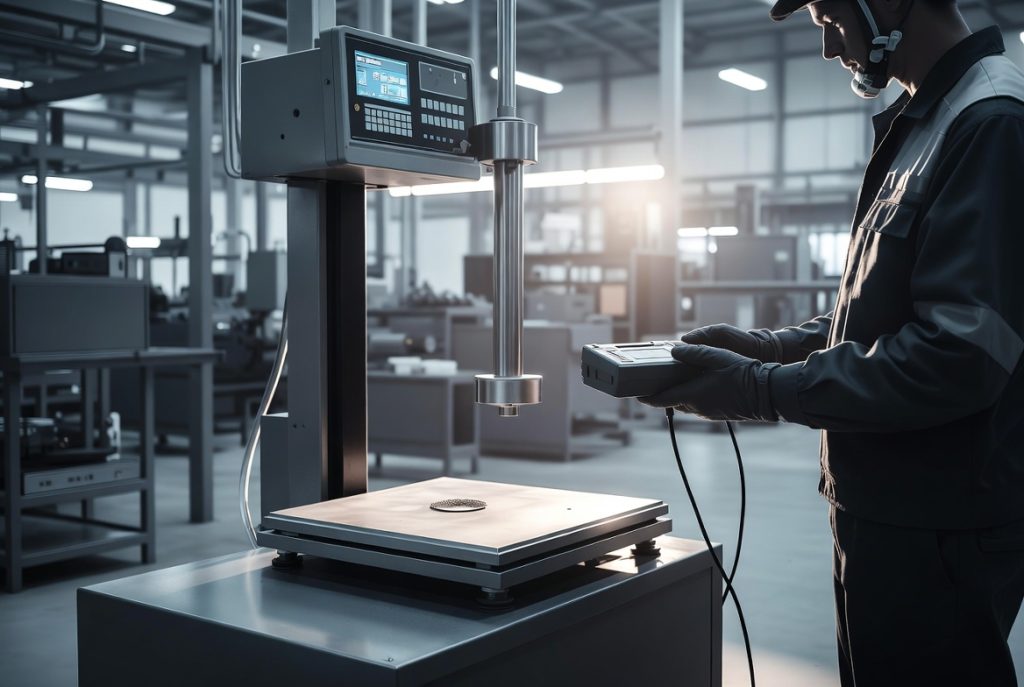
Preventive Maintenance Services
Preventive maintenance services are essential for industries that rely on mechanical and electrical equipment to ensure uninterrupted operations, improved efficiency, and cost-effective asset management. These services encompass scheduled maintenance tasks that aim to identify and rectify potential issues before they result in equipment failure. In the current industrial landscape, where operational downtime can lead to significant financial and reputational losses, preventive maintenance emerges as a critical strategy for sustainable business growth. It combines systematic planning, timely inspections, and the use of advanced tools to extend the lifespan of machinery and reduce unplanned outages.
Importance of Preventive Maintenance in Modern Industry
Modern industries operate under the pressure of maintaining consistent production while ensuring safety, quality, and compliance with regulatory standards. Preventive maintenance supports these goals by proactively addressing wear and tear, reducing the likelihood of unexpected failures, and ensuring that machines function at their optimal levels. It also enables companies to avoid emergency repairs, which are often more expensive and disruptive than scheduled maintenance. Furthermore, preventive maintenance enhances workplace safety, as equipment that is regularly serviced is less likely to malfunction and cause accidents. For industries such as manufacturing, oil and gas, mining, and energy, where heavy machinery plays a pivotal role, preventive maintenance is not just an option—it is a necessity.
Key Components of Preventive Maintenance Services
Preventive maintenance services include a variety of tasks designed to maintain and preserve the functionality of equipment. These tasks range from simple activities such as lubrication and cleaning to more complex procedures like calibration, component replacements, and software updates. Effective preventive maintenance begins with the creation of a detailed maintenance schedule, which takes into account the manufacturer’s recommendations, usage patterns, environmental conditions, and historical performance data. Maintenance technicians rely on checklists and diagnostic tools to perform inspections and identify early signs of potential problems. By documenting every maintenance activity, organizations build a comprehensive history of each asset, enabling informed decisions about repairs, upgrades, and replacements.
Role of Technology in Enhancing Preventive Maintenance
The integration of digital technology into preventive maintenance has transformed the way industries approach equipment care. Advanced sensors, IoT (Internet of Things) devices, and machine learning algorithms now allow real-time monitoring of equipment health. These technologies provide actionable insights into asset performance, allowing maintenance teams to predict issues before they escalate. Condition-based monitoring, for example, uses data collected from vibration analysis, thermal imaging, and acoustic monitoring to detect anomalies in equipment behavior. With the help of computerized maintenance management systems (CMMS), maintenance schedules are automated, inventory is tracked, and work orders are efficiently managed. This level of automation and intelligence not only enhances accuracy but also significantly reduces human error.
Benefits of Implementing Preventive Maintenance Services
There are numerous benefits associated with preventive maintenance services, all of which contribute to improved operational performance and reduced total cost of ownership. One of the most significant advantages is the reduction of unplanned downtime. When equipment is maintained regularly, the risk of sudden breakdowns diminishes, allowing production to proceed smoothly. Preventive maintenance also improves asset reliability and extends the useful life of equipment, thereby maximizing the return on investment. Additionally, regular servicing enhances energy efficiency, as well-maintained machines consume less power. Compliance with industry standards and environmental regulations is another benefit, as preventive maintenance helps ensure that systems operate within safe and acceptable limits. Moreover, organizations that implement preventive maintenance often experience better workforce morale, as employees are not burdened with frequent emergencies or hazardous working conditions.
Challenges Faced in Preventive Maintenance Implementation
Despite its many benefits, implementing an effective preventive maintenance strategy comes with its own set of challenges. One of the primary obstacles is the initial cost and resource allocation required to set up a preventive maintenance program. This includes investments in software, training, tools, and additional personnel. Small and medium-sized enterprises may find it difficult to allocate such resources without compromising other business operations. Another challenge is resistance to change, especially in organizations where reactive maintenance has been the norm. Shifting to a proactive approach requires a cultural transformation that emphasizes long-term gains over short-term fixes. Data management is also a critical concern, as the effectiveness of preventive maintenance depends on accurate and timely information. Without proper data collection and analysis, the maintenance schedule may not align with actual equipment needs, leading to inefficiencies.
Real-World Applications of Preventive Maintenance Services
Many industries have successfully adopted preventive maintenance services to drive efficiency and reduce operational risks. In the manufacturing sector, for instance, automotive assembly lines rely heavily on preventive maintenance to avoid production halts. Regular inspections of robotic arms, conveyor belts, and welding machines help prevent costly downtime and ensure product quality. In the oil and gas industry, preventive maintenance is crucial for the upkeep of drilling rigs, pipelines, and compressors. Scheduled maintenance tasks such as pressure testing and corrosion monitoring help prevent leaks and environmental hazards. In the energy sector, power generation facilities use preventive maintenance to service turbines, generators, and switchgear systems, ensuring consistent electricity supply. Even in commercial buildings and data centers, HVAC systems and backup power units are maintained preventively to ensure comfort and reliability.
Preventive Maintenance vs. Predictive Maintenance
While preventive maintenance is based on fixed schedules and usage intervals, predictive maintenance takes a more dynamic approach by using real-time data to forecast equipment failures. Both strategies aim to minimize downtime and optimize asset performance, but they differ in execution. Preventive maintenance is ideal for assets with well-understood wear patterns and service intervals, such as pumps, motors, and filters. Predictive maintenance, on the other hand, is more suitable for complex and critical equipment where failure patterns are less predictable. Implementing a hybrid strategy that combines both approaches can offer the best of both worlds, providing a safety net through scheduled servicing while also leveraging data analytics for precision maintenance. The choice between preventive and predictive maintenance depends on factors such as asset criticality, operational complexity, and available technology infrastructure.
Future Trends in Preventive Maintenance Services
The future of preventive maintenance lies in increased connectivity, automation, and intelligence. As more industries adopt Industry 4.0 principles, the integration of artificial intelligence, big data analytics, and edge computing into maintenance practices will become standard. Smart sensors will continuously monitor equipment parameters and send alerts to maintenance teams in case of deviations. Augmented reality (AR) tools will assist technicians in performing maintenance tasks with greater accuracy and speed. Cloud-based platforms will enable centralized management of maintenance activities across multiple facilities. Furthermore, sustainability considerations will drive the development of eco-friendly maintenance practices that minimize waste and energy consumption. The convergence of preventive maintenance with digital twin technology—a virtual representation of physical assets—will allow simulations and scenario planning to optimize maintenance schedules and asset utilization. Organizations that invest in these emerging technologies will be better positioned to achieve operational excellence and competitive advantage.
Selecting the Right Preventive Maintenance Partner
Choosing a reliable partner for preventive maintenance services is a strategic decision that can significantly influence an organization’s operational success. A good service provider should offer customized maintenance solutions that align with the specific needs of the business. This includes a thorough assessment of assets, development of tailored maintenance schedules, and integration with existing systems. The partner should also demonstrate expertise in the latest technologies and compliance with industry standards. Transparent reporting, responsive customer support, and a proven track record of performance are other key criteria. Collaborating with a trusted partner allows companies to focus on core business activities while ensuring that their equipment remains in top condition. Outsourcing preventive maintenance to specialists not only enhances efficiency but also brings in valuable external insights that can lead to process improvements and cost savings.
Conclusion: Nanoprecise—Your Trusted Maintenance Expert
Preventive maintenance services play a pivotal role in maintaining equipment health, ensuring operational continuity, and driving long-term business success. By proactively addressing potential issues, organizations can minimize downtime, reduce maintenance costs, and enhance safety and compliance. As industries continue to evolve and embrace digital transformation, the adoption of advanced technologies will further enhance the effectiveness of preventive maintenance. Companies looking to implement or upgrade their maintenance strategies must prioritize a data-driven, proactive approach that aligns with their operational goals. In this context, Nanoprecise stands out as a trusted expert in delivering state-of-the-art preventive maintenance solutions. With its cutting-edge technology, industry knowledge, and commitment to excellence, Nanoprecise empowers businesses to achieve peak operational efficiency and reliability in an increasingly competitive landscape.