
Installing a storage water heater is a significant step toward ensuring a steady supply of hot water in your home. However, the benefits of a storage water heater can only be fully realized if it is installed in the right location. Choosing the perfect spot for your storage water heater installation involves more than just finding an empty corner; it requires careful consideration of safety, accessibility, efficiency, and maintenance needs.
This comprehensive guide explores the key factors to consider when selecting the ideal location for your storage water heater, helping you make an informed decision that enhances your home’s comfort and functionality.
Understanding Storage Water Heaters and Their Installation Needs
Before diving into location specifics, it’s important to understand what a storage water heater is and how it operates. Unlike tankless water heaters that heat water on demand, storage water heaters store a significant volume of hot water in an insulated tank, ready for use whenever needed. This method of heating water is particularly beneficial for households with high hot water demands, such as those with multiple bathrooms or frequent laundry needs, as it ensures a steady supply of hot water without the wait associated with tankless systems.
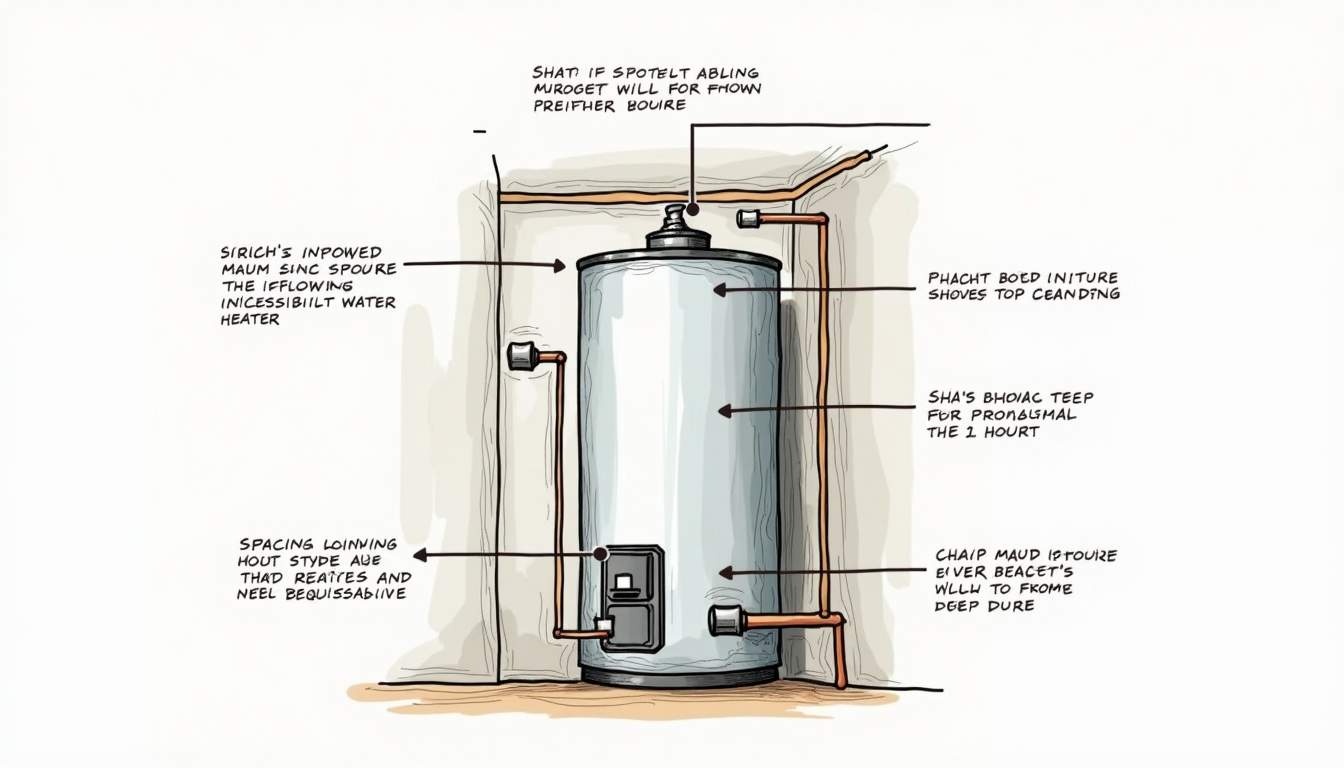
This means the installation spot must accommodate the physical size of the unit, provide adequate ventilation, and allow for safe and easy access for maintenance and repairs. Additionally, the location must comply with local building codes and safety regulations to prevent hazards such as leaks or electrical issues. It’s also wise to consider the proximity of the water heater to the points of use, as this can significantly reduce heat loss in the pipes and improve overall efficiency.
Key Components Affecting Installation Location
Storage water heaters consist of a large insulated tank, heating elements or burners, temperature and pressure relief valves, and plumbing connections. The tank size varies, typically ranging from 20 to 80 gallons or more, which influences the space requirements. A larger tank may be necessary for larger households or those that use hot water for heating systems, which can further complicate installation logistics.
Moreover, the water heater requires proper drainage in case of leaks or pressure relief valve discharges, and electrical or gas connections must be safely routed. These factors collectively impact where the unit can be installed. For instance, if the water heater is located in a basement or utility room, it may need to be elevated to prevent water damage in case of leaks. Additionally, the installation area should be free from clutter and provide enough clearance around the unit for airflow and maintenance access. It’s also essential to consider the potential for noise, as some models can be quite loud during operation, which might be a concern in living areas or near bedrooms. To learn more about professional installation, you can check the following link from Plumber Singapore: https://www.plumbersingapore.sg/
Factors to Consider When Choosing the Installation Spot
Space and Accessibility
One of the most fundamental considerations is the amount of space available. The storage water heater should fit comfortably without crowding the area, allowing room for installation, inspection, and routine maintenance.
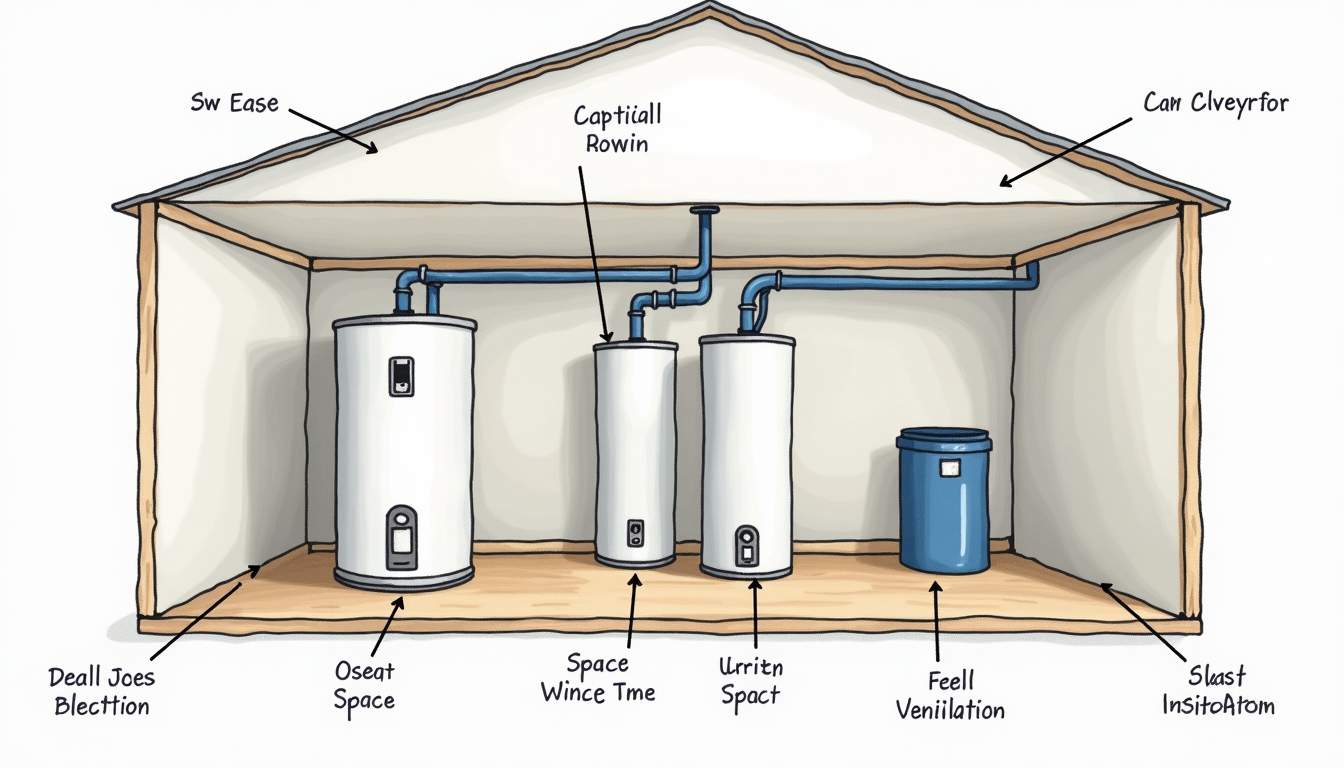
Accessibility is equally critical. The unit should be located where it can be easily reached by technicians or homeowners for repairs, flushing the tank, or replacing parts. Avoid cramped or hard-to-reach places, such as behind large appliances or in tight closets without sufficient clearance.
Additionally, consider the layout of the surrounding area. If the water heater is placed in a basement or utility room, ensure that there is adequate lighting and space for maneuvering tools and equipment during maintenance. A well-planned installation spot not only facilitates easy access but also enhances safety, reducing the risk of accidents during service.
Proximity to Water Usage Points
Locating the water heater close to the main points of hot water use—such as bathrooms, kitchen, or laundry rooms—can improve energy efficiency. Shorter pipe runs reduce heat loss and the time it takes for hot water to reach faucets, which can save water and energy.
However, this needs to be balanced with other factors like space availability and safety. Sometimes, the best spot for the heater might be a bit farther from usage points, but with proper insulation of pipes, heat loss can be minimized.
Moreover, consider the potential for future renovations or changes in household needs. If you anticipate adding a bathroom or expanding your laundry area, it may be wise to choose a location that can accommodate these changes without requiring a complete relocation of the water heater. Planning ahead can save both time and money in the long run.
Ventilation and Airflow Requirements
Proper ventilation is essential, especially for gas-powered storage water heaters. These units require a supply of fresh air for combustion and must safely vent exhaust gases outside the home to prevent carbon monoxide buildup.
Installing the water heater in a well-ventilated area or a dedicated utility room with vents to the outside is ideal. Avoid enclosed spaces without ventilation, such as sealed cupboards or small closets, unless they are specifically designed with ventilation in mind.
In addition, consider the impact of humidity and temperature fluctuations in the chosen installation area. Excess moisture can lead to corrosion and reduce the lifespan of the water heater. Therefore, a location with stable temperature and low humidity levels is preferable, as it will help maintain the efficiency and longevity of the unit.
Floor and Structural Support
Storage water heaters are heavy, especially when filled with water. The floor or platform where the unit will be installed must be strong enough to support this weight without risk of damage or instability.
In some cases, such as in basements or garages with concrete floors, this is less of a concern. However, if installing the heater on an upper floor or a wooden platform, it’s important to verify the structural integrity and reinforce the area if necessary.
Furthermore, consider the potential for leaks or spills. Installing a water heater on a floor that can withstand water damage, such as tile or sealed concrete, can prevent costly repairs. Additionally, incorporating a drain pan under the heater can provide an extra layer of protection against water damage, capturing any leaks before they spread.
Safety and Compliance with Building Codes
Safety is paramount when installing any appliance that involves water and electricity or gas. Local building codes often specify minimum clearance distances from walls, ceilings, and other appliances, as well as requirements for seismic strapping in earthquake-prone areas.
Consulting with a licensed plumber or installer ensures that your water heater installation meets all relevant codes and safety standards. This not only protects your home but also prevents potential issues with insurance or resale.
Additionally, it’s wise to familiarize yourself with the manufacturer’s installation guidelines, as these often contain specific recommendations that go beyond local codes. Following these guidelines can enhance the efficiency and safety of your water heater, ensuring it operates optimally throughout its lifespan. Regular inspections and adherence to safety protocols can also help in identifying any potential issues before they escalate into serious problems.
Common Installation Locations and Their Pros and Cons
Basement Installation
Basements are a popular location for storage water heaters, especially in homes with unfinished basements. They typically offer ample space, easy access to plumbing lines, and a sturdy floor to support the unit’s weight.
Additionally, any leaks or drips are less likely to cause damage since basements are often designed to handle moisture. However, basements can sometimes be damp or poorly ventilated, so ensuring proper airflow is critical.
Garage Installation
Garages provide another convenient location, offering plenty of space and easy access for maintenance. They are generally well-ventilated and isolated from living spaces, reducing noise and safety concerns.
However, garages may be subject to temperature fluctuations, which can affect the efficiency of the water heater. Insulating the unit or the garage space can help mitigate this issue.
Utility or Laundry Room Installation
Utility rooms or laundry areas are often chosen for their proximity to water lines and electrical connections. These spaces usually have sufficient ventilation and drainage options, making them practical spots for water heater installation.
The downside is that these rooms may be smaller or more crowded, so careful planning is necessary to ensure the water heater fits without hindering other appliances or storage needs.
Closet or Cabinet Installation
Some homes have dedicated closets or cabinets for water heaters, especially in apartments or smaller houses. While this can save space and keep the unit out of sight, it poses challenges for ventilation and access.
Closet installations require specially designed venting systems and enough clearance around the unit to allow for maintenance. Without these, the risk of overheating or damage increases.
Tips for a Successful Water Heater Installation
Plan Ahead and Measure Carefully
Before purchasing a storage water heater, measure the available space and consider the dimensions of the unit. Account for clearance requirements and space needed for plumbing connections and maintenance access.
Planning ahead avoids costly adjustments or relocations after the heater is installed.
Consult Professionals
Engaging a licensed plumber or HVAC technician ensures the installation is done correctly and safely. Professionals can also advise on the best location based on your home’s layout, local codes, and your hot water needs.
Consider Energy Efficiency
Choosing a location that minimizes heat loss and pipe length can improve the overall efficiency of your water heating system. Additionally, insulating hot water pipes and the tank itself can reduce energy consumption.
Prepare for Maintenance
Regular maintenance, such as flushing sediment from the tank and inspecting valves, is essential for prolonging the life of your water heater. Selecting a spot that allows easy access will make these tasks simpler and encourage timely upkeep.
Conclusion
Choosing the right spot for your storage water heater installation is a crucial decision that affects safety, efficiency, and convenience. By considering factors such as space, accessibility, proximity to water usage points, ventilation, structural support, and compliance with building codes, homeowners can ensure their water heater performs optimally and lasts for years.
Whether placing the unit in a basement, garage, utility room, or dedicated closet, careful planning and professional guidance are key to a successful installation. Taking the time to select the ideal location not only enhances your home’s comfort but also protects your investment in this essential appliance.