Effective insulation is essential for controlling energy costs, maintaining indoor comfort, and ensuring long-term structural integrity in commercial buildings. The right insulation minimizes heat transfer, reduces HVAC load, and complies with local energy codes. Choosing the appropriate type depends on climate zone, building use, design specifications, and long-term ROI expectations.
This article provides a comprehensive guide on choosing the right insulation for commercial structures, including side-by-side comparisons, technical data, and selection criteria to inform your decision.
Types of Insulation for Commercial Structures
Commercial insulation falls into several categories, each with specific strengths and limitations. The best choice depends on application area (walls, roofs, basements), performance needs, and installation conditions.
Common Insulation Types and Comparisons
|
Insulation Type |
Material Composition |
R-Value per Inch |
Fire Resistance |
Moisture Resistance |
Best for |
|
Fiberglass Batts |
Glass fibers |
2.9 – 3.8 |
High |
Moderate |
Walls, ceilings |
|
Mineral Wool |
Rock/slag wool |
3.0 – 3.3 |
Very High |
High |
Fire-rated assemblies |
|
Polyisocyanurate |
Rigid foam board |
5.6 – 8.0 |
Moderate |
High (with foil) |
Roofs, exterior sheathing |
|
Extruded Polystyrene (XPS) |
Rigid foam board |
4.5 – 5.0 |
Moderate |
High |
Foundation walls, below grade |
|
Expanded Polystyrene (EPS) |
Bead foam board |
3.6 – 4.2 |
Low |
Moderate |
Roofs, wall sheathing |
|
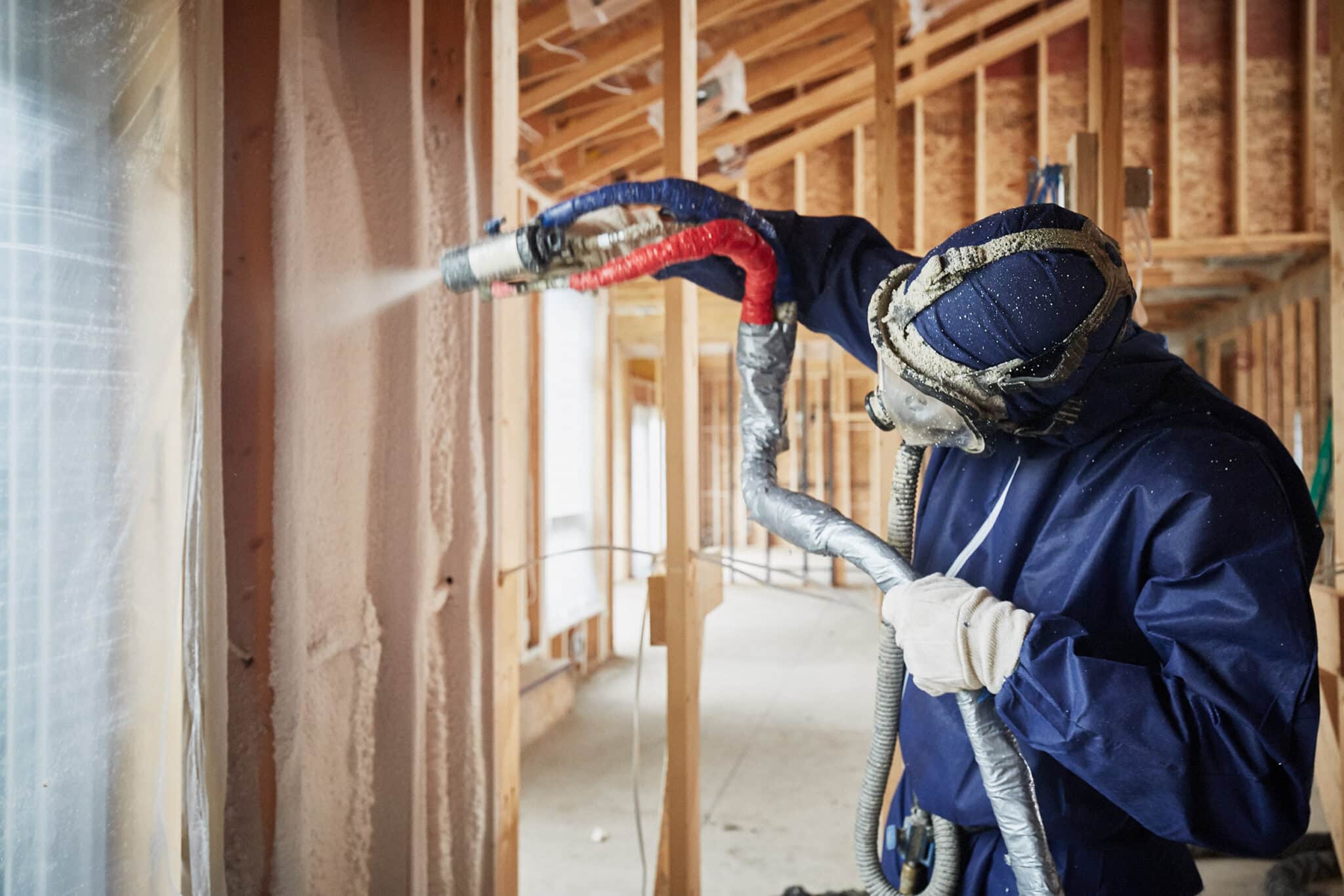
Spray Polyurethane Foam (SPF) |
Closed-cell foam |
6.0 – 7.0 |
High |
Very High |
Air seals, hard-to-reach areas |
|
Reflective Insulation |
Foil-faced materials |
Varies (not R-value dependent) |
Low |
High |
Attics, radiant barriers |
Bonus Tip: Always verify the R-value is labeled as per ASTM C518 standards to ensure consistency across materials.
Key Factors That Affect Insulation Choice
Selecting the right insulation involves evaluating several performance-related and environmental criteria.
Climate Zone and Energy Codes
- Colder climates require higher R-values.
- ASHRAE and IECC codes mandate minimum insulation levels based on location and building classification.
Building Usage and Occupancy
- Warehouses may prioritize durability and cost.
- Office buildings often demand high acoustic and thermal performance.
- Data centers and labs require moisture control and precise temperature management.
Moisture Management and Air Sealing
- Below-grade and high-humidity areas benefit from closed-cell SPF or XPS due to their water resistance.
- Roof and wall assemblies need vapor control strategies to prevent condensation and mold.
Fire Ratings and Code Compliance
- Mineral wool offers superior fire resistance for critical assemblies.
- Polyiso and XPS must often be paired with fire-rated barriers for code compliance.
Bonus Tip: Use NFPA 285 compliant assemblies when insulating exterior walls in multi-story buildings to meet fire propagation codes.
Technical Specifications for Insulation Materials
|
Property |
Fiberglass |
Mineral Wool |
Polyiso |
XPS |
EPS |
SPF (Closed-Cell) |
|
R-Value (per inch) |
2.9–3.8 |
3.0–3.3 |
5.6–8.0 |
4.5–5.0 |
3.6–4.2 |
6.0–7.0 |
|
Fire Resistance Rating |
Class A |
Non-combustible |
Varies |
Varies |
Low |
Class A with intumescent coating |
|
Vapor Permeability |
High |
Moderate |
Low (foil-faced) |
Very Low |
Moderate |
Very Low |
|
Compressive Strength (psi) |
Low |
Moderate |
20–25 |
15–30 |
10–15 |
30–40 |
|
Acoustic Absorption |
High |
Very High |
Low |
Low |
Low |
Moderate |
|
Installation Flexibility |
High |
High |
Rigid |
Rigid |
Rigid |
Spray-applied |
|
Typical Lifespan (yrs) |
30–50 |
50+ |
30+ |
40+ |
30+ |
50+ |
Market Fact: According to Grand View Research, the global insulation market is expected to reach USD 89.5 billion by 2030, with commercial construction driving much of the demand due to stricter energy codes and sustainability goals.
Things to Consider Before Making a Decision
Evaluate Long-Term ROI
- Upfront cost vs. lifetime energy savings.
- Lower-cost materials may lead to higher HVAC loads over time.
Installation Access and Project Timeline
- Retrofit projects benefit from spray foam or blown-in options due to minimal disruption.
- Rigid boards require precise cuts and placement, ideal for new construction.
Maintenance and Durability
- Materials exposed to foot traffic or mechanical damage (e.g., in roofs) should have high compressive strength.
- Insulation with low water absorption is crucial for sub-grade and crawl space applications.
Integration with Other Systems
- Compatibility with HVAC systems and interior wall finishes.
- Fire-resistance layers and vapor barriers may be required as part of the assembly.
Bonus Tip: Always model the building envelope using an energy simulation tool (e.g., EnergyPlus or eQuest) to assess actual insulation performance in real-world conditions.

Common Questions About Commercial Insulation
Can I combine multiple insulation types?
Yes. Hybrid insulation assemblies (e.g., SPF + fiberglass or polyiso + mineral wool) are common and can optimize thermal, moisture, and fire performance when properly detailed.
How do I verify insulation meets code?
Check third-party certifications such as ASTM standards, ICC-ES reports, and manufacturer-supplied documentation that confirm compliance with IECC and ASHRAE 90.1.
Should I use vapor barriers with all insulation?
Not always. Climate zone and placement matter. In some cases, a vapor barrier may trap moisture and cause mold. A building envelope consultant can recommend proper detailing.
Is thicker insulation always better?
Not necessarily. Each insulation has a diminishing return point. Instead of increasing thickness, improving airtightness and reducing thermal bridging can yield better results.
What is the most eco-friendly option?
Mineral wool and cellulose (not listed here due to limited commercial use) are made from recycled materials and have lower embodied carbon than foam-based options.
Choosing the Right Insulation FAQ
What’s the most energy-efficient insulation for commercial buildings?
Closed-cell spray foam and polyisocyanurate provide the highest R-value per inch, making them the most energy-efficient in limited-space applications.
Which insulation type is best for fire safety?
Mineral wool is non-combustible and ideal for assemblies where fire resistance is critical.
How do I select insulation for roof systems?
Use high-R rigid boards like polyiso or XPS. Choose materials rated for moisture and compressive strength in accordance with roofing membrane specifications.
Can insulation improve acoustic performance?
Yes. Fiberglass and mineral wool significantly reduce airborne noise, making them suitable for offices, schools, and mixed-use buildings.
Are there insulation types that resist mold and water?
Closed-cell SPF and XPS are both water-resistant and resistant to microbial growth, making them suitable for basements and humid environments.
Make the Right Decision
Choosing the right insulation for commercial structures requires aligning performance characteristics with building-specific needs. Factors such as fire resistance, moisture control, compressive strength, and R-value must all be weighed against local codes and long-term efficiency goals.
Evaluate your project’s climate zone, occupancy use, and envelope design before selecting insulation. Use certified products, follow tested assemblies, and consult with building science professionals to ensure effective, compliant, and durable performance.
Would you like a downloadable checklist or diagram to support your decision process?