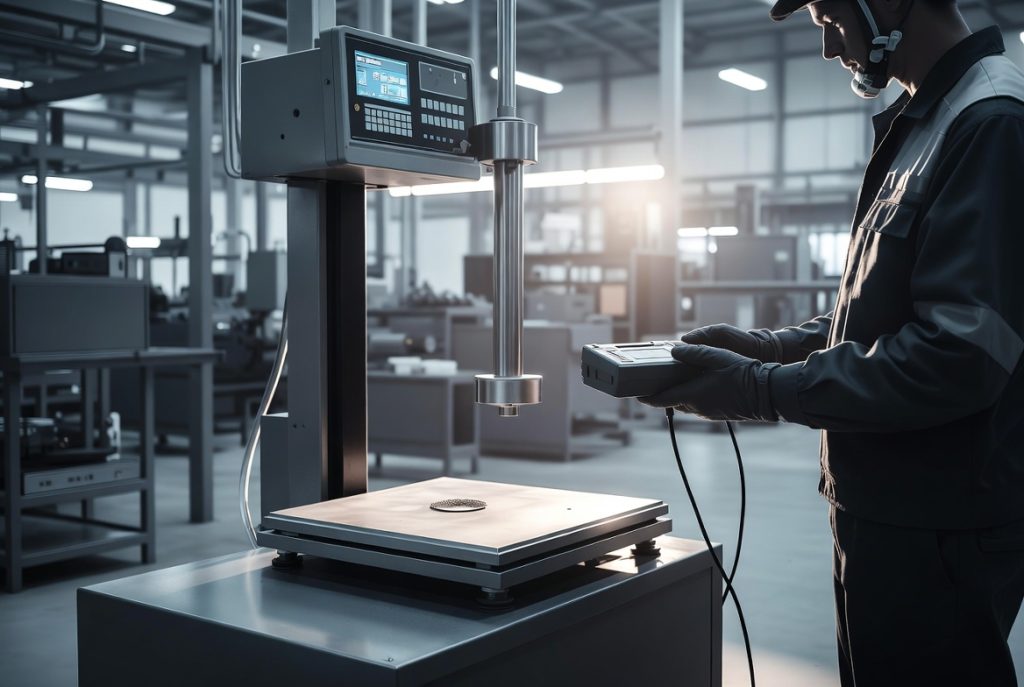
Cabinet air conditioning refers to specially designed cooling systems that regulate the internal temperature of electrical enclosures, control panels, and server cabinets. These units prevent heat-related damage by maintaining optimal environmental conditions for sensitive electronics, PLCs, VFDs, and automation components.
Unlike standard HVAC systems, cabinet AC units are closed-loop systems, ensuring that no outside air contaminates internal electronics. They are commonly used in industrial automation, data centers, telecommunications, and manufacturing environments.
Why Is Cabinet Air Conditioning Necessary?
Heat – The Hidden Enemy of Electronics
Excessive heat is the primary cause of electronic component failure. When internal temperatures rise:
-
Capacitors degrade faster
-
CPUs throttle or malfunction
-
Insulation on wires deteriorates
-
Equipment lifespan is shortened
Critical Benefits of Using Cabinet Air Conditioning:
-
????️ Protects Equipment from Overheating
-
???? Reduces Downtime and Maintenance Costs
-
⚙️ Enhances System Efficiency
-
???? Eliminates Dust and Moisture Ingress
-
???? Reduces Replacement and Repair Costs
How Cabinet AC Units Work
Cabinet air conditioners operate in closed-loop mode, where heat is extracted from inside the enclosure and expelled outside. This keeps contaminants like dust, oil mist, and moisture from entering the system.
Basic Operating Steps:
-
Heat Load Detection: Internal thermostat senses rising temperature.
-
Cooling Activation: Compressor or thermoelectric module starts.
-
Heat Removal: Internal air is circulated and cooled; hot air is discharged.
-
Temperature Regulation: System maintains consistent enclosure temperature.
Types of Cabinet Air Conditioners
| Type | Technology | Key Features | Best For |
|---|---|---|---|
| Compressor-Based | Refrigerant cooling | High cooling capacity | Industrial automation |
| Thermoelectric (Peltier) | Solid-state | No moving parts, compact | Low heat loads |
| Vortex Cooling | Compressed air | Rapid cooling, no electricity | Hazardous environments |
| Water-Cooled | Liquid-cooled | Closed-loop, high efficiency | High-heat manufacturing zones |
Selecting the Right Cabinet Air Conditioner
Key Parameters to Consider:
-
???? Enclosure Dimensions (HxWxD)
-
????️ Ambient and Target Internal Temperatures
-
???? Power Supply Voltage (AC or DC)
-
???? Mounting Options (side, door, top-mounted)
-
???? Required Cooling Capacity (BTU/hr or Watts)
Cooling Capacity Estimation Table:
| Enclosure Heat Load | Recommended Cooling (BTU/hr) |
|---|---|
| < 500W | 1,800 – 2,500 BTU/hr |
| 500–1000W | 2,500 – 5,000 BTU/hr |
| >1000W | 5,000 – 10,000+ BTU/hr |
Use thermal analysis tools or consult the manufacturer’s sizing calculators to get precise specifications.
Cabinet Air Conditioning in Industrial Applications
Most Common Industries:
-
Factory Automation
-
Food & Beverage Production
-
Telecom & IT Infrastructure
-
Water Treatment Plants
-
Pharmaceutical and Cleanrooms
Why It Matters:
-
High ambient temperatures, heavy machinery, and 24/7 operations cause internal enclosure temperatures to exceed safe thresholds.
-
Failure in such environments can result in production halts, quality issues, and even regulatory non-compliance.
Cabinet AC Features That Matter in 2025
???? Closed-Loop Cooling
Prevents moisture, dust, and debris from damaging internal components.
???? Smart Monitoring
Integrated temperature sensors, remote control, and IoT-enabled alerts via Ethernet or wireless connectivity.
♻️ Energy Efficiency
Models with inverter compressors and eco-mode functionality lower operational costs.
???? Compact Design
Space-saving units for tight enclosures or retrofitting into existing cabinets.
???? Reverse Flow Protection
Prevents hot ambient air from being pulled into the unit during power failures.
Installation & Maintenance Tips
Installation Guidelines:
-
Always match the unit’s cooling capacity to actual thermal load.
-
Maintain a minimum clearance space (usually 100–150mm) around intake/exhaust.
-
Use gaskets and seals to preserve enclosure NEMA/IP ratings.
-
Secure proper grounding to prevent electrical faults.
Routine Maintenance Checklist:
-
???? Clean Filters every 30–60 days
-
⚙️ Inspect Fan Motors and Blades
-
???? Check for Condensate Blockage
-
????️ Verify Thermostat Settings
-
???? Test Backup or Redundant Units
Energy Saving Strategies for Cabinet Cooling
-
Install heat exchangers in low-humidity environments.
-
Use ambient air cooling when possible with filtered fan kits.
-
Opt for variable speed fans to reduce power consumption.
-
Schedule preventive maintenance to avoid performance degradation.
FAQs: Cabinet Air Conditioning
❓ What size cabinet air conditioner do I need?
Use the total wattage of installed equipment and add ambient heat load. Choose a unit with 10-15% higher capacity for efficiency.
❓ Is a fan enough instead of a cabinet air conditioner?
Fans circulate air but don’t reduce temperature. In high heat environments or sealed enclosures, a fan alone is insufficient.
❓ How long does a cabinet air conditioner last?
With regular maintenance, units can last 5–10 years, depending on the operating environment.
❓ What IP rating should my cabinet AC have?
Use IP54 or higher in dusty/moist areas. For harsh environments, IP65 and NEMA 4/4X are recommended.
❓ Are cabinet air conditioners noisy?
Modern units are quieter than before, with noise levels under 60 dBA. Thermoelectric types are nearly silent.
Common Issues and Troubleshooting
| Symptom | Possible Cause | Fix |
|---|---|---|
| Unit not cooling | Dirty filters, low refrigerant | Clean filters, call technician |
| Condensation inside | Faulty seal or high humidity | Inspect seals, install dehumidifier |
| Frequent cycling | Oversized unit or faulty thermostat | Adjust setpoint, replace thermostat |
| Unit trips breaker | Electrical overload | Check wiring, contact electrician |
How Cabinet AC Systems Differ From Traditional HVAC
| Feature | Cabinet AC | HVAC |
|---|---|---|
| Target Area | Sealed enclosures | Entire rooms |
| Airflow | Closed-loop | Open-loop |
| Contaminant Protection | High | Low |
| Installation | On-panel | Wall/ceiling |
| Use Case | Electronics, PLCs | Humans, ambient air |
Authoritativeness: Who Uses Cabinet AC Systems?
Recognized by global OEMs, automation integrators, and IT infrastructure managers, cabinet AC systems are recommended in technical standards such as:
-
IEC 60204 (Safety of machinery – Electrical equipment)
-
NFPA 79 (Electrical Standard for Industrial Machinery)
-
UL 508A (Standard for Industrial Control Panels)
These units are also featured in design handbooks by trusted equipment manufacturers in electrical enclosure design.
Bonus: Pro Tips for System Designers
-
Use thermal simulation software to identify hot zones before installation.
-
Choose units with self-diagnostics and modbus/BACnet communication for advanced control.
-
In environments with temperature swings, install heater + cooler combo units.