
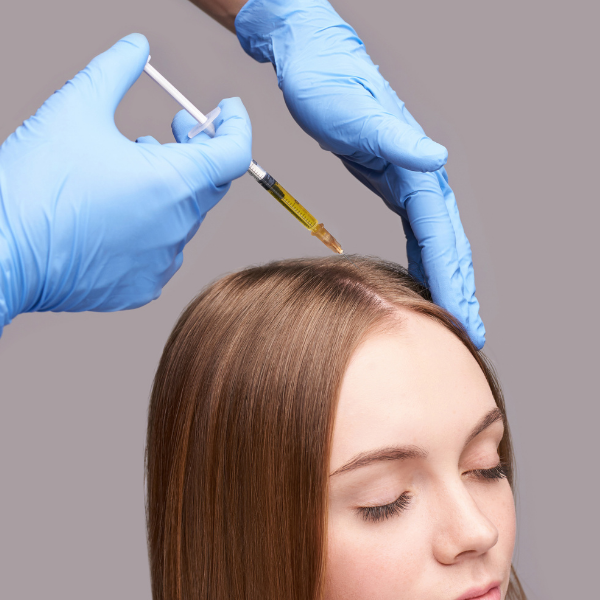
In the world of hair restoration, platelet-rich plasma (PRP) therapy has captured attention like few other treatments. Once only available in professional clinics, PRP is now making its way into homes through DIY kits, offering a tempting promise of rejuvenated hair without the hefty price tag of repeated clinical visits. The idea of using your own blood to stimulate hair growth feels both futuristic and primal at the same time. But is the hype justified, and more importantly, are at-home PRP kits truly effective—or safe? This guide dives deep into everything you need to know before you consider swapping your next salon appointment for a syringe and centrifuge.
At-home PRP kits claim to simplify what has traditionally been a complex medical procedure. By extracting blood, spinning it down to isolate the plasma rich in growth factors, and re-injecting it into the scalp, these kits mirror the in-clinic process. In the center of this new trend, the buzzword hair PRP shines brightly, capturing the attention of those seeking non-surgical solutions to hair loss. But with such a sensitive and intricate treatment, cutting corners or skipping professional oversight could have serious implications.
How PRP Therapy Works
PRP therapy begins with the collection of a small amount of your blood, which is then placed into a centrifuge. This machine spins the blood at high speeds, separating its components—red blood cells, white blood cells, and plasma. It’s this plasma, specifically rich in platelets, that contains the growth factors believed to accelerate tissue repair and stimulate dormant hair follicles. In professional settings, a trained practitioner then carefully injects this PRP into targeted areas of the scalp.
The idea behind PRP for hair loss stems from the theory that growth factors can reverse the miniaturization of hair follicles, a common issue in conditions like androgenetic alopecia. In theory, when injected correctly, these growth factors can “wake up” hair roots, pushing them into a growth phase. The clinical results so far have been promising, but PRP remains a relatively young treatment, and its full range of effectiveness is still under active study.
The Promise and Peril of At-Home PRP Kits
At-home PRP kits tap into a growing desire for more affordable and accessible self-care solutions. Typically, these kits include a blood collection device, a mini centrifuge, syringes for application, and detailed instructions. On paper, it sounds straightforward. However, what many users don’t realize is that clinical PRP therapy is not just about spinning blood and injecting plasma—it’s a precise medical procedure requiring expertise, sterile technique, and an understanding of anatomy.
Without professional training, the risk of infection, improper injection, or ineffective application is significantly higher. Even slight contamination of the blood sample could lead to serious infections. In addition, at-home users may not spin the blood correctly, which means the plasma might not be sufficiently rich in platelets, severely reducing its effectiveness. Some users also report significant bruising, pain, or worsened hair loss after attempting DIY PRP treatments.
What Science Says About PRP for Hair Loss
Several studies have suggested that PRP can be a valuable treatment for certain types of hair loss, especially early-stage androgenetic alopecia. Participants in clinical trials have often shown increased hair density and thickness after several rounds of PRP injections. However, the protocols in these studies are tightly controlled. Blood is processed under strict laboratory conditions, and treatments are performed by experienced dermatologists or cosmetic surgeons.
Translating those controlled conditions into a home environment is extremely challenging. Variables like the quality of the centrifuge, the handling of blood, and the precision of injections all matter tremendously. No major clinical trials have studied the long-term safety or effectiveness of at-home PRP use. As such, many doctors warn that DIY kits could either be ineffective at best—or dangerous at worst.
Is At-Home PRP Worth the Risk?
At-home PRP kits have grown popular due to their promise of convenience and accessibility. These kits offer users the ability to perform the treatment on their own schedule, without the need for repeated clinic visits. On the surface, the process may seem straightforward. However, the reality is much more complex. The old adage rings true here: you get what you pay for in terms of expertise, safety, and results.
The medical community remains largely skeptical of at-home PRP kits for hair loss. Not only because of the risks involved, but because poorly performed PRP could discourage patients who might otherwise benefit from properly administered clinical treatments. It could also mask underlying conditions; not all hair loss is simply cosmetic. In some cases, hair thinning can be a symptom of deeper health issues requiring professional diagnosis and treatment.
The medical community remains largely skeptical of at-home PRP kits for hair loss. Not only because of the risks involved, but because poorly performed PRP could discourage patients who might otherwise benefit from properly administered clinical treatments. It could also mask underlying conditions; not all hair loss is simply cosmetic. In some cases, hair thinning can be a symptom of deeper health issues requiring professional diagnosis and treatment.
If you’re serious about PRP therapy, the safest route is still under the supervision of a qualified healthcare provider. Some clinics even offer hybrid programs where you visit for blood collection and processing but apply the PRP yourself at home under remote guidance. These programs aim to reduce cost while maintaining medical oversight—a possible middle ground for those who can’t afford repeated clinic visits.
Final Thoughts
At-home PRP kits are undoubtedly an exciting development in the world of hair restoration. They offer the promise of privacy, affordability, and empowerment over one’s hair health. However, they also bring substantial risks that should not be overlooked. Blood handling and injections are delicate procedures that require more than a manual and a steady hand—they require training, sterile environments, and a deep understanding of human anatomy.
While the dream of achieving lush hair from the comfort of your bathroom is tempting, safety must come first. For those struggling with hair loss, consulting a board-certified dermatologist or hair restoration specialist before embarking on any PRP journey—at home or in a clinic—remains the smartest, safest step.
After all, when it comes to your health and appearance, cutting corners is rarely worth it.