
Air conditioning units are essential for maintaining a comfortable indoor environment, especially during hot summer months. However, like any mechanical system, they require regular maintenance to function efficiently and prolong their lifespan. One of the most effective yet often overlooked maintenance tasks is the chemical deep clean. This process goes beyond routine filter changes and surface cleaning, targeting the internal components where dirt, mold, and bacteria accumulate over time.
Understanding what an AC chemical deep clean involves, why it’s important, and how homeowners can approach it safely can make a significant difference in indoor air quality and system performance. This comprehensive guide will walk you through everything you need to know about AC chemical deep cleans, from the basics to practical tips and considerations.
What Is an AC Chemical Deep Clean?
An AC chemical deep clean is a thorough cleaning process that uses specialized chemical agents to remove dirt, grime, mold, and microbial buildup from the internal parts of an air conditioning system. Unlike regular cleaning, which might involve wiping down accessible surfaces or replacing filters, a chemical deep clean targets areas such as the evaporator coils, condenser coils, drain pans, and ductwork.
These chemicals are designed to break down stubborn deposits that accumulate over time, which can’t be removed by water or simple vacuuming alone. The process helps restore the AC unit’s efficiency, improves air quality, and reduces the risk of unpleasant odors or health issues caused by mold and bacteria growth. To learn more about this service, you can visit SoCool for professional aircon solutions.
Key Components Cleaned During a Chemical Deep Clean
1. Evaporator Coil: Located inside the indoor unit, the evaporator coil absorbs heat from the air inside your home. Over time, it can become coated with dust, dirt, and biological contaminants, reducing its ability to cool effectively.
2. Condenser Coil: Found in the outdoor unit, this coil releases heat absorbed from inside your home. Dirt buildup can insulate the coil, making it harder for the unit to expel heat efficiently.
3. Drain Pan and Drain Lines: These components collect and remove condensation. If clogged or dirty, they can cause water leaks and promote mold growth.
4. Ductwork: Though not always included in every deep clean, duct cleaning with chemical agents can eliminate mold, dust, and allergens trapped inside the air ducts.
Why Is a Chemical Deep Clean Important for Your AC?
Many homeowners underestimate the impact of internal buildup on their AC units. While changing filters and cleaning vents are important, they don’t address the root causes of inefficiency and poor air quality. Here’s why a chemical deep clean is a valuable investment:
1. Enhances Cooling Efficiency
Dirt and grime on coils act as insulation, preventing heat exchange from occurring properly. When the evaporator or condenser coils are dirty, the AC has to work harder to cool your home, leading to increased energy consumption and higher utility bills. A chemical deep clean removes these deposits, allowing the system to operate at peak efficiency.
2. Improves Indoor Air Quality
Mold, bacteria, and other microbes can thrive in the damp, dark environment inside AC units, especially in the drain pans and coils. These contaminants can be circulated throughout your home, potentially triggering allergies, asthma, or other respiratory issues. Chemical deep cleans help eliminate these harmful microorganisms, contributing to healthier indoor air.
3. Extends the Lifespan of Your AC Unit
Regular maintenance, including deep cleaning, reduces wear and tear on your system. By preventing buildup that forces the unit to work harder, you decrease the likelihood of breakdowns and costly repairs, ultimately extending the life of your air conditioner.
4. Prevents Unpleasant Odors
Accumulated mold and bacteria can cause musty or sour smells when the AC is running. Chemical deep cleaning removes these odor-causing agents, leaving your home smelling fresh and clean.
When Should You Schedule a Chemical Deep Clean?
The frequency of chemical deep cleaning depends on several factors, including your local environment, the age and type of your AC system, and how heavily it’s used. Here are some guidelines to help determine when it’s time for a deep clean:
Signs That Your AC Needs a Chemical Deep Clean
- Reduced Cooling Performance: If your AC isn’t cooling as effectively as it used to, despite changing filters regularly, buildup on coils might be the culprit.
- Increased Energy Bills: A sudden spike in electricity costs without increased usage could indicate your AC is working harder due to dirty components.
- Unpleasant Odors: Musty or moldy smells when the AC runs suggest microbial growth inside the system.
- Visible Mold or Dirt: If you notice mold or dirt around vents, the drain pan, or inside the ductwork, it’s time for a thorough cleaning.
- Allergy or Respiratory Symptoms: Increased sneezing, coughing, or other symptoms when the AC is on may be linked to poor air quality caused by contaminants in the system.
Recommended Cleaning Schedule
For most homeowners, scheduling a chemical deep clean every 1 to 3 years is sufficient. However, if you live in a humid climate, have pets, or suffer from allergies, more frequent cleaning may be beneficial. Consulting with a professional HVAC technician can help tailor a maintenance plan suited to your specific needs.
How Is an AC Chemical Deep Clean Performed?
While the process can vary depending on the system and the technician, the general steps involved in a chemical deep clean include:
1. Inspection and Preparation
The technician begins by inspecting the AC unit to assess its condition and identify areas of buildup or damage. The system is then powered off, and any necessary protective measures are taken to prevent chemical exposure to surrounding surfaces or occupants.
2. Removal of Surface Debris
Loose dirt and debris are removed using brushes, vacuums, or compressed air. This step prepares the coils and other components for chemical treatment.
3. Application of Chemical Cleaners
Specialized chemical cleaning agents are applied to the coils, drain pans, and other affected areas. These chemicals dissolve dirt, mold, and other contaminants. Depending on the product, the chemicals may be sprayed, foamed, or brushed on.
4. Rinsing and Flushing
After allowing the chemicals to work for the recommended time, the technician rinses the components with water to wash away loosened debris and residual chemicals. Proper drainage is ensured to prevent water damage.
5. Cleaning of Drain Lines and Ducts (If Included)
Drain lines are flushed to remove clogs and microbial buildup. If duct cleaning is part of the service, chemical agents may be applied inside the ducts followed by thorough vacuuming.
6. Final Inspection and Testing
Once cleaning is complete, the technician inspects the system to ensure all contaminants have been removed and tests the AC to confirm it is functioning properly.
DIY vs. Professional Chemical Deep Cleaning
While some homeowners may be tempted to perform a chemical deep clean themselves, it’s important to weigh the risks and benefits before attempting this task.
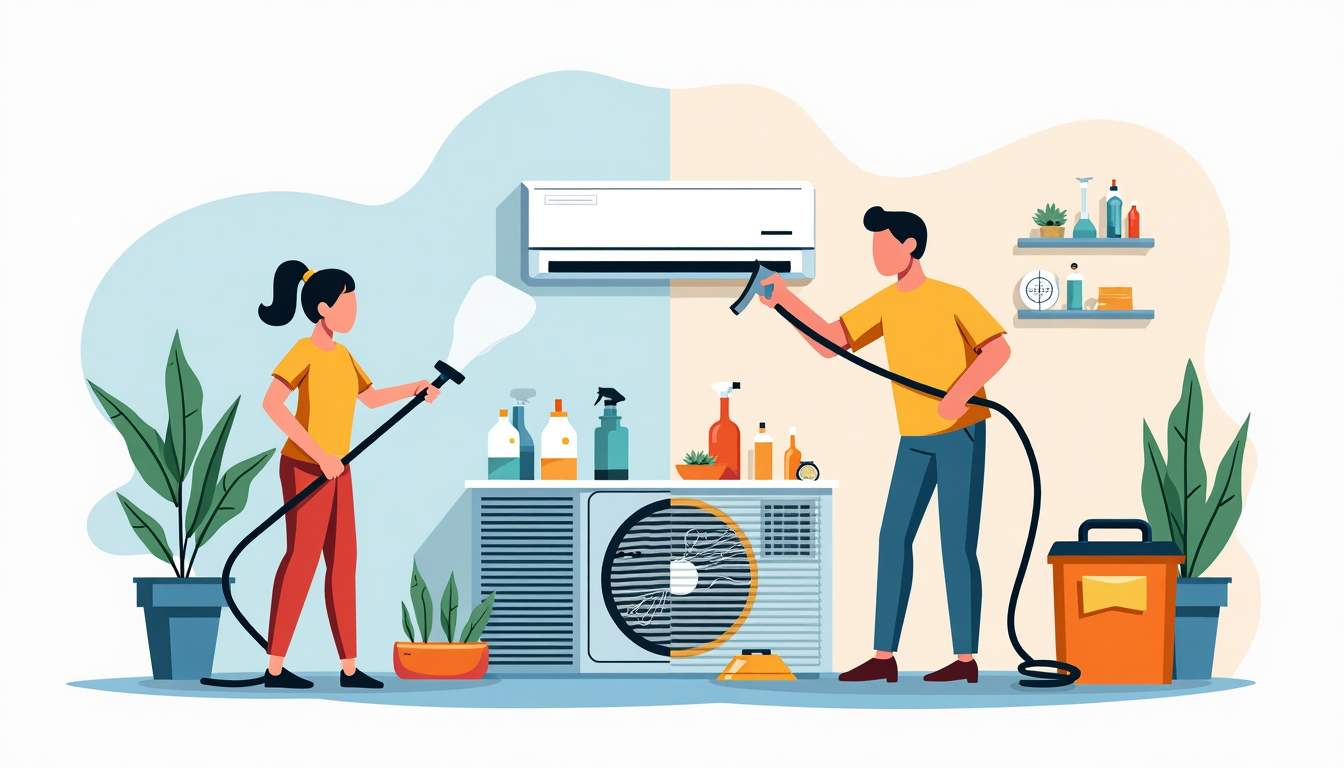
Pros and Cons of DIY Cleaning
- Pros: Cost savings, convenience, and immediate action.
- Cons: Potential exposure to harmful chemicals, risk of damaging delicate components, incomplete cleaning, and improper disposal of chemical waste.
Many chemical cleaners require careful handling, protective gear, and knowledge of the AC system’s design to avoid damage or safety hazards. Additionally, some areas like ductwork and drain lines can be difficult to access and clean thoroughly without specialized tools.
Why Hiring a Professional Is Often the Best Choice
Professional HVAC technicians have the training, experience, and equipment to perform chemical deep cleans safely and effectively. They can identify underlying issues that may require repair and ensure that cleaning products are used according to manufacturer guidelines. Moreover, professionals can provide documentation of the service, which may be useful for warranty or insurance purposes.
Choosing the Right Chemical Cleaners
Not all chemical cleaners are created equal. Selecting the right product is crucial for effective cleaning and maintaining the integrity of your AC system.
Types of Chemical Cleaners
- Foaming Coil Cleaners: These expand to cover the coil surface and break down dirt and debris.
- Non-Acidic Cleaners: Gentle on metal components and safe for regular use.
- Acid-Based Cleaners: More aggressive, used for heavy buildup but require caution as they can corrode metals.
- Disinfectants and Mold Inhibitors: Target microbial growth to improve air quality.
Environmental and Health Considerations
Many modern chemical cleaners are formulated to be environmentally friendly and low in volatile organic compounds (VOCs). When choosing a product, consider its safety for indoor use, biodegradability, and any potential health impacts. Always follow the manufacturer’s instructions and use appropriate personal protective equipment.
Maintaining Your AC After a Chemical Deep Clean
Performing a chemical deep clean is an excellent way to reset your AC’s performance, but ongoing maintenance is key to keeping it running smoothly. Here are some tips to prolong the benefits of your deep clean:
1. Regular Filter Replacement
Change your air filters every 1 to 3 months, depending on usage and filter type. Clean filters prevent dust buildup and reduce strain on the system.
2. Keep Outdoor Units Clear
Remove leaves, dirt, and debris from around the outdoor condenser unit to ensure proper airflow and prevent dirt from entering the system.
3. Schedule Routine Inspections
Have a professional inspect your AC system annually to catch potential issues early and perform minor cleanings or tune-ups as needed.
4. Monitor Drain Lines
Check the condensate drain lines periodically to ensure they are clear and draining properly to avoid water damage and mold growth.
5. Use a Programmable Thermostat
Optimizing your AC’s operation with a programmable thermostat can reduce wear and tear and improve energy efficiency.
Conclusion
AC chemical deep cleans are a vital part of comprehensive air conditioning maintenance that many homeowners overlook. By removing stubborn dirt, mold, and microbial buildup from internal components, these deep cleans enhance cooling efficiency, improve indoor air quality, prevent odors, and extend the life of your system.
While some may consider DIY cleaning, hiring a professional ensures the job is done safely and thoroughly. Selecting the right chemical cleaners and maintaining your AC system regularly will help you enjoy a cool, healthy home environment for years to come.
Investing in periodic chemical deep cleans is a smart step toward protecting your home’s comfort and your family’s health. If it’s been a while since your last deep clean or if you notice signs of buildup or poor performance, consider scheduling a professional service to give your AC the care it deserves.